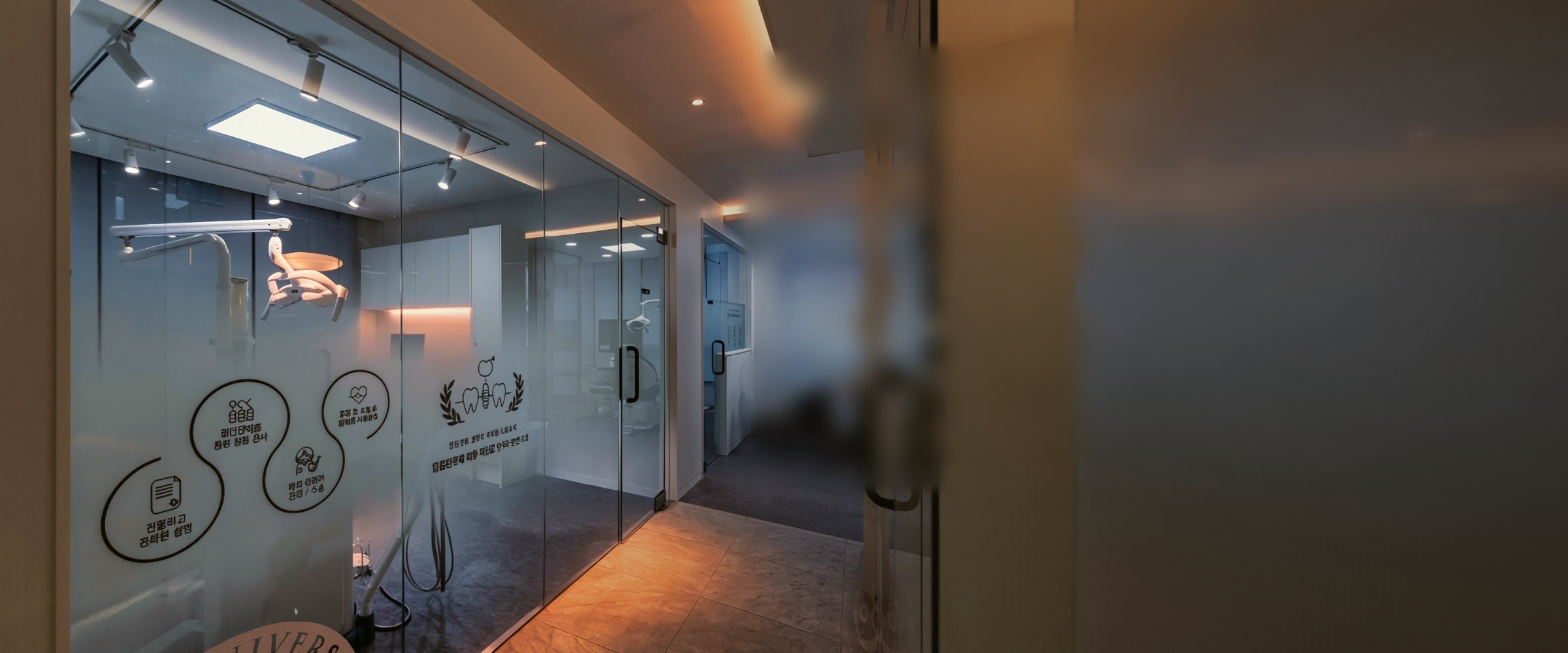
Yonsei The Strong Dental Clinic · Dobong StationOpen 365 days a year,
weekdays until 9 PM.
A dental clinic you can trust — a 5-minute walk from Dobong Station Exit 1.
We know the first visit is the hardest step
The first thing we hear most often is, "I'm sorry it's been so long since I saw a dentist." There is nothing to be sorry about. Too busy, too scared, worried about cost — we understand why dental visits get postponed.
That is why on your first visit, we talk before we treat. We look at the screen together — what your teeth look like now, what needs attention soon and what can safely wait — and you can take all the time you need before deciding.
For seniors
If we speak too fast, we will say it again, slowly. You are welcome to bring a family member. Denture and implant options are explained chair-side, with photos and X-rays, until everything makes sense.
For those who finish work late
We are open until 9 pm on weekdays, so coming after work is never too late. We are also open on weekends and holidays — no need to take a day off for treatment.
For those afraid of the dentist
We tell you what we will do before we do it — and we only do what we said. It is perfectly fine to leave with just a check-up and an explanation today.
You do not have to book right now. Someday, when a tooth starts to worry you and this page comes to mind, come then. We will be here — 365 days a year, in the same place.
How to find us
2F, 873 Dobong-ro, Dobong-gu, Seoul — about a 5-minute walk from Dobong Station (Lines 1 & 7), Exit 1.
Getting here
- 1Take subway Line 1 or 7 to Dobong Station and use Exit 1.
- 2From Exit 1, walk about 5 minutes toward the Dobong 1-dong post office.
- 3We are on the 2nd floor of 873 Dobong-ro.
Opening hours
| Mon – Fri | 9:30 AM – 9:00 PM · evening care |
| Saturday | 9:30 AM – 2:00 PM · no lunch break |
| Sunday | 2:00 PM – 6:00 PM |
| Holidays | Open — hours may vary, please call |
※ Weekday schedules may occasionally shift due to the director's university teaching duties, but the clinic is always open.
🅿 Parking
Parking is available in our building — and if you use the public parking lot across the street, we cover the parking fee.
From Dobong Station Lines 1·7
From Exit 1, walk about 5 minutes toward the Dobong 1-dong post office and you will find the clinic.
From Banghak Station Line 1
Take a Line 1 train bound for Uijeongbu, get off at Dobong Station, then walk about 5 minutes from Exit 1.
At the 'Sindobong Market · Dobong-gu Office · Banghak Stn. North' stop, take bus 107 · 140 · 160 · 141 · 150 · 142 · 56, get off at Dobong Hansin Apt. and walk about 2 minutes.
From Suraksan Station Line 7
Take Line 7 toward Jangam, transfer at Dobongsan Station to Line 1 (toward Uijeongbu · Soyosan), ride one stop to Dobong Station, then walk to the clinic.
From Suraksan Station Exit 3, take bus 7; pass Dobong Station and get off at Dobong Hansin Apt. — we are just across the street.
From Mangwolsa Station Line 1
From Mangwolsa Station, get off at Dobong Station and walk about 5 minutes from Exit 1.
At the 'Mangwolsa Station Exit 3' stop, take bus 36 · 7 · 118 · 133 · 56 · 72-3, get off at Dobong Hansin Apt. and walk about 2 minutes.
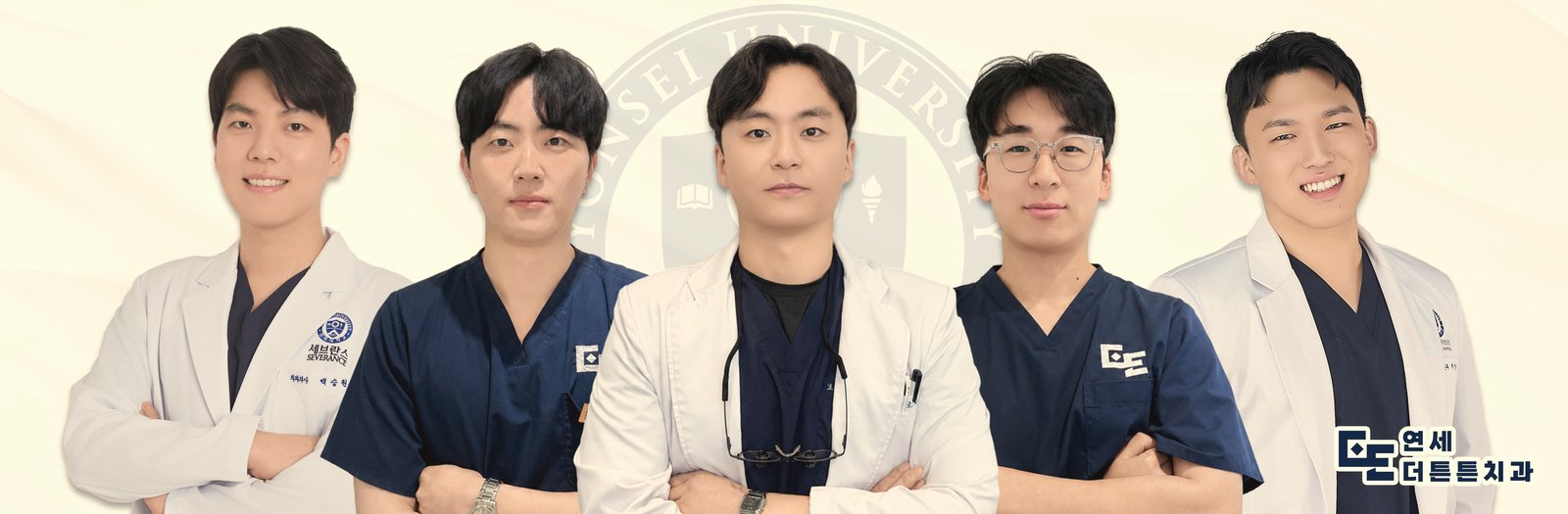
Know who is treating you
University-hospital standards of care, right in your neighborhood.
- Prosthodontics residency, Yonsei Severance Hospital
- Board-certified in Prosthodontics and in Integrated Dentistry
- Ph.D. in Dental Science, Yonsei University
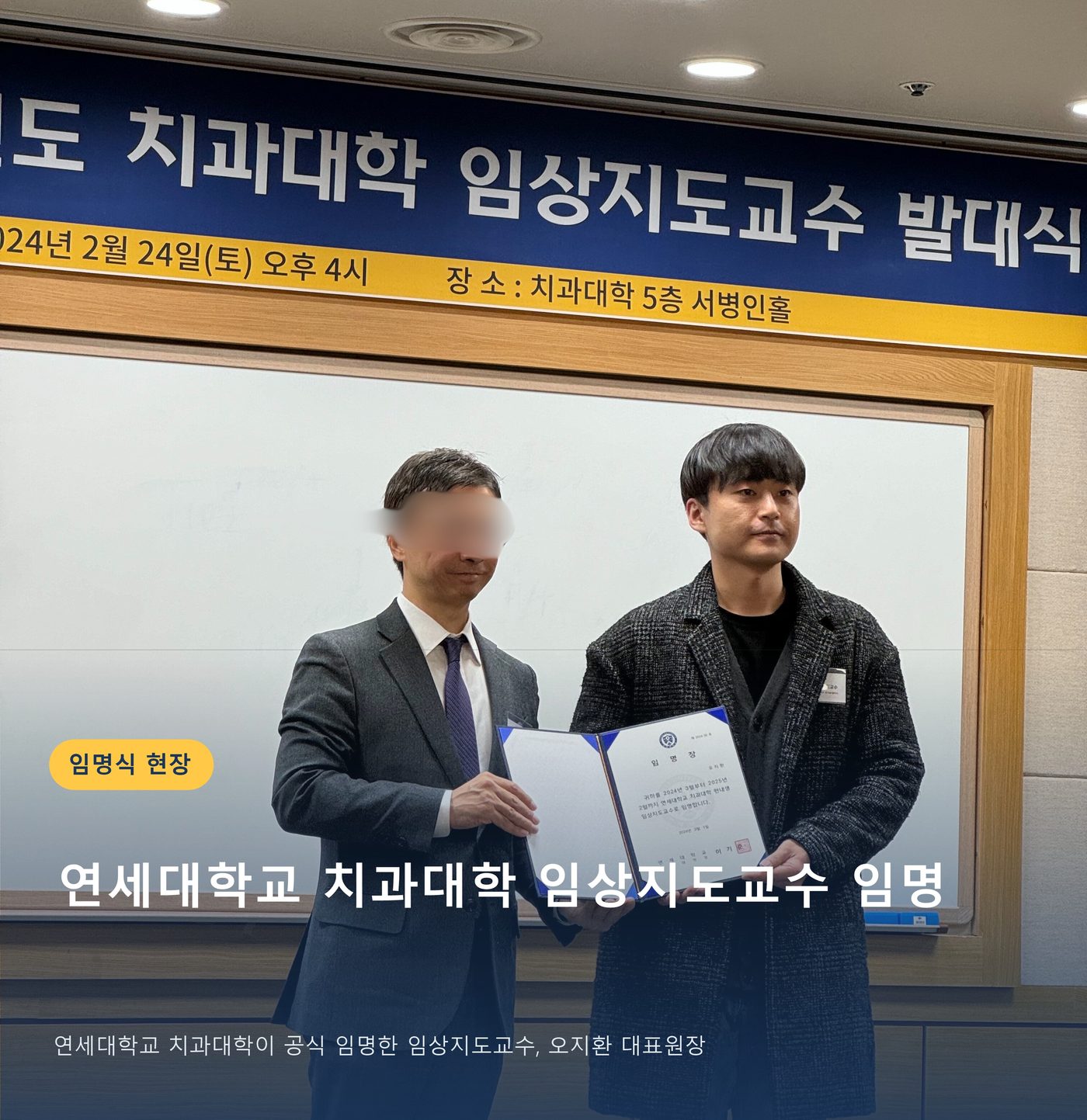
- Clinical Assistant Professor, Yonsei University College of Dentistry
- First author of an implant study published in an SCI(E) journal
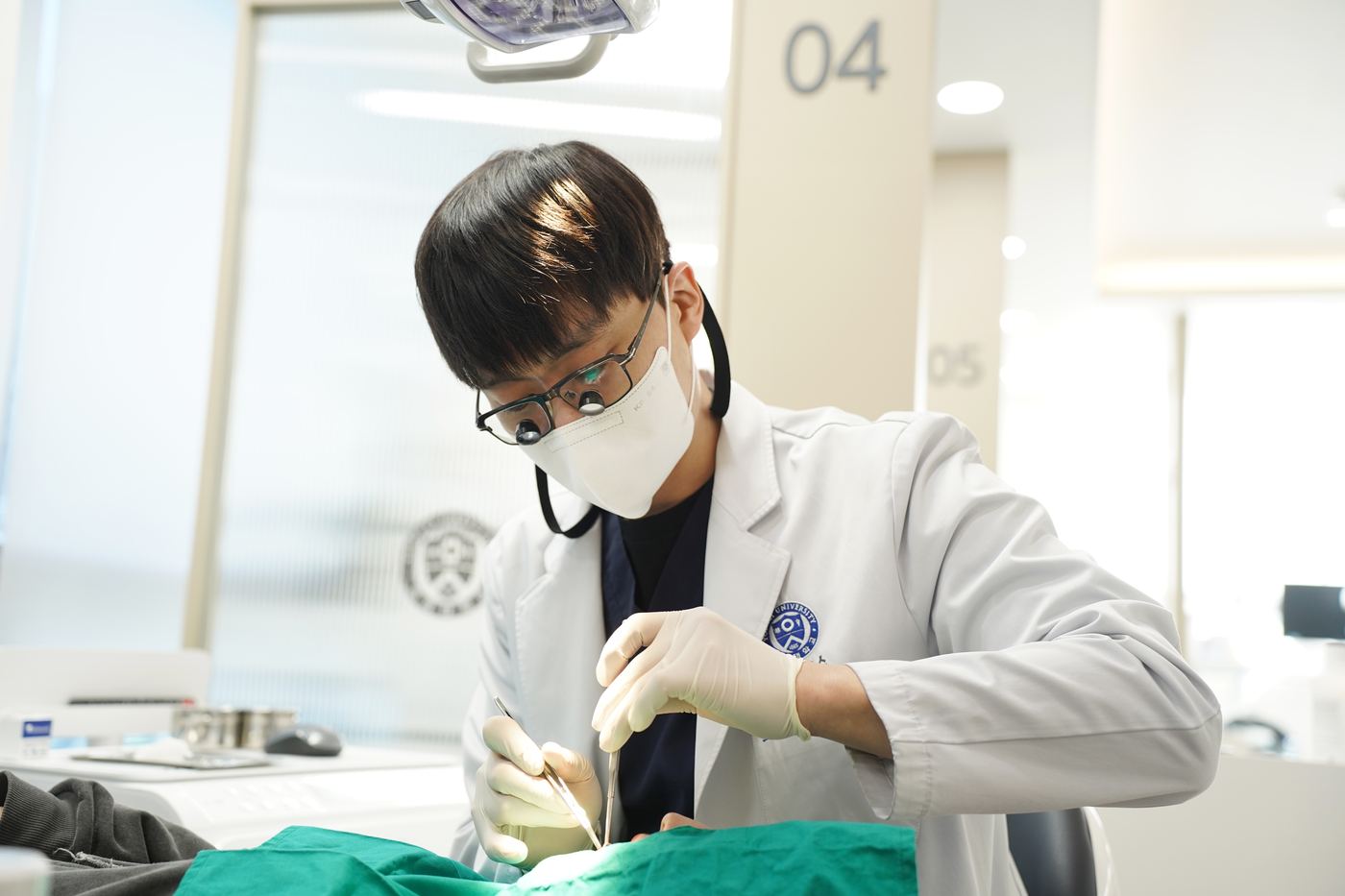
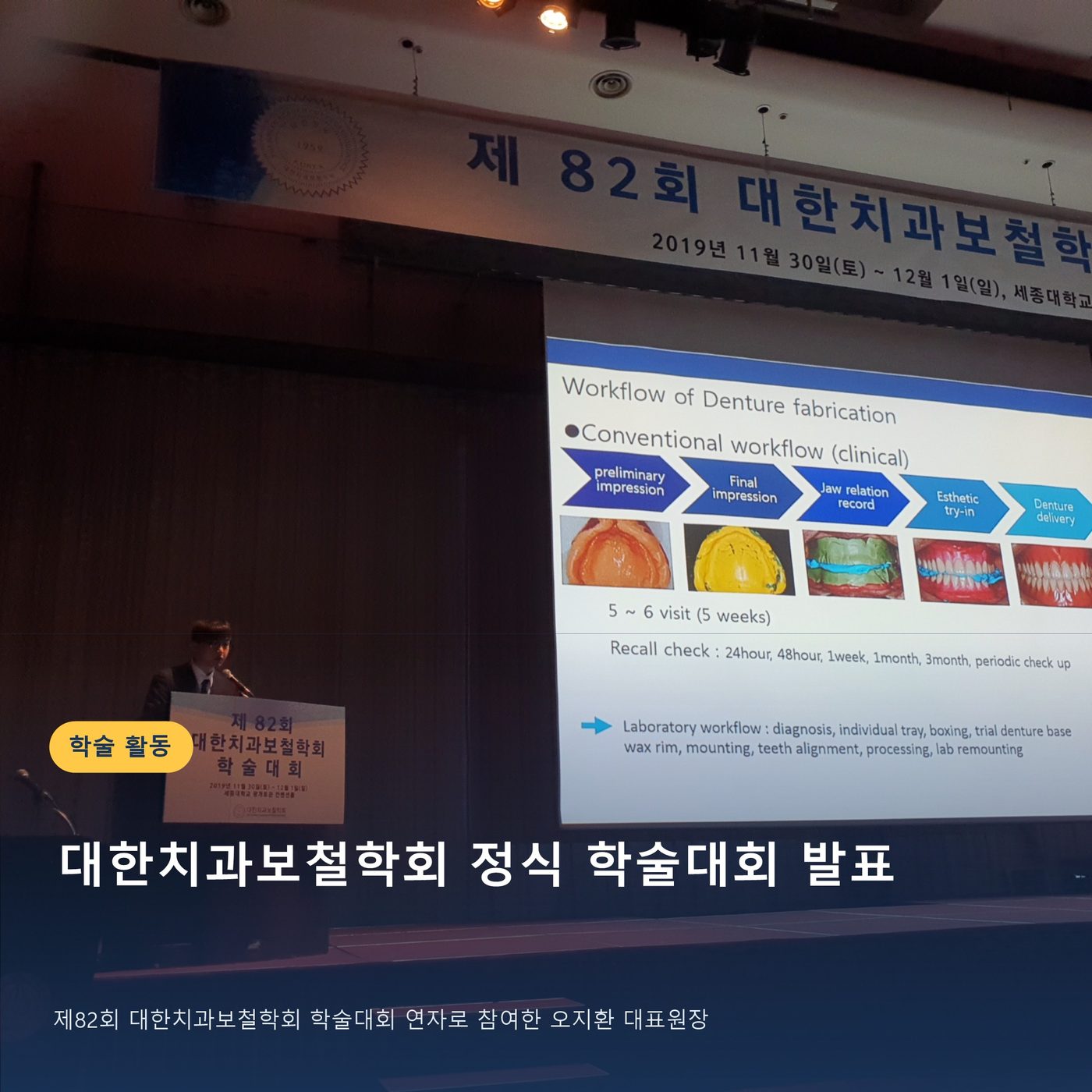
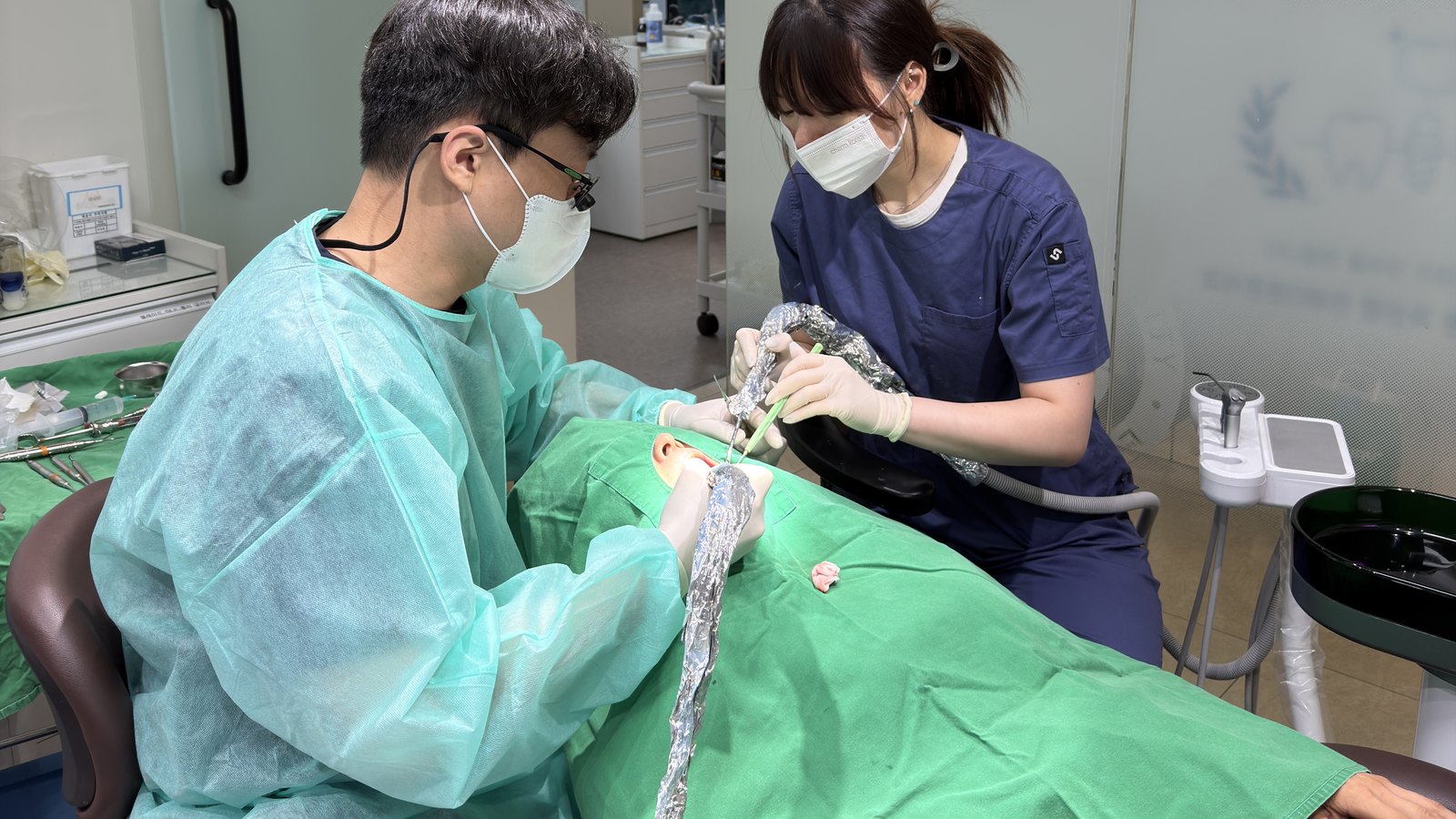
Hello, I am Dr. Jihwan Oh, the director. I trained in prosthodontics at Severance Hospital and still teach at Yonsei University College of Dentistry — but most of my day is spent right here in our clinic in Dobong.
When we opened, I made two promises: to stay open until 9 pm on weekdays, 365 days a year so you can come after work, and to explain why a treatment is needed until it truly makes sense before we begin.
I believe a treatment is complete not on the day the prosthesis is placed, but when you are still comfortable years later. That question led me to a study tracking 1,780 implants for up to 15 years — and I see the answer in this clinic every day. Meeting you again at a regular check-up: to me, that is what good treatment looks like.
"Honest diagnosis, devoted treatment."
Dr. Jihwan Oh, Director
In the Press
Oral-health articles for which Dr. Jihwan Oh was interviewed or served as an advisor. Links open the original Korean articles.
앞니 브릿지와 임플란트, 선택 기준은 무엇일까?
Read the article (Korean) →치주질환, 조용히 진행되는 특징… 정기 점검의 중요성
Read the article (Korean) →발치 후 임플란트, 언제가 가장 적기일까
Read the article (Korean) →고난도 임플란트 시술, 안전과 만족도 모두 잡으려면?
Read the article (Korean) →주기적인 치과 검진이 중요한 이유는
Read the article (Korean) →충치 방치, 빠른 시일 내 치료해야 하는 이유?
Read the article (Korean) →[V헬스] 임플란트, 치과보철과 전문의에게 받아야 하는 이유는?
Read the article (Korean) →Before you choose a dental clinic
These two videos were made not by us, but by the Korean Dental Association's official channel, Dental News TV, to protect patients. (Videos in Korean)
We show you documents
Specialist certificates, university appointments and published research are displayed as-is in our credentials gallery and doctor page. Documents are more accurate than slogans.
We stay in the same place
Open 365 days a year, weekdays until 9 pm. The same team sees you the week after surgery and at your check-up years later, and a written warranty is issued after treatment.
Close enough to keep coming
Implant treatment means many visits. We are about a 5-minute walk from Dobong Station Exit 1 — easy to reach on a rainy day or after work.
15 years of implant data, quantified in a Ph.D.
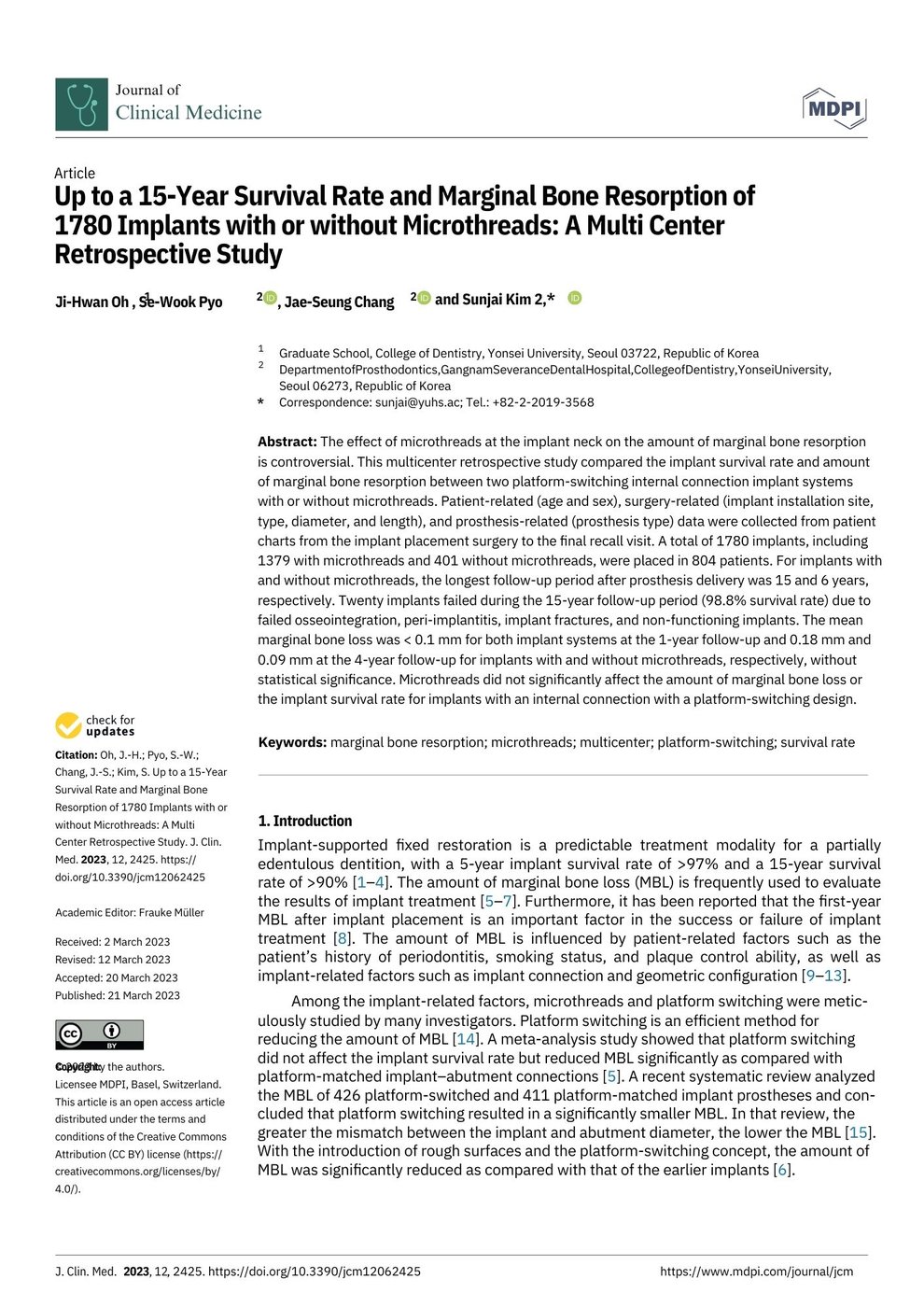
Anyone can claim to be good at implants — proving it with numbers is different. Dr. Jihwan Oh followed 1,780 implants in 804 patients for up to 15 years and published the study as first author in an international journal. The study reported a 98.8% implant survival rate over the 15-year follow-up and mean marginal bone loss under 0.1 mm at one year. The same long-term data became his doctoral dissertation at Yonsei University.
Up to a 15-Year Survival Rate and Marginal Bone Resorption of 1780 Implants with or without Microthreads: A Multi Center Retrospective Study
Read the paper — doi.org/10.3390/jcm12062425 ↗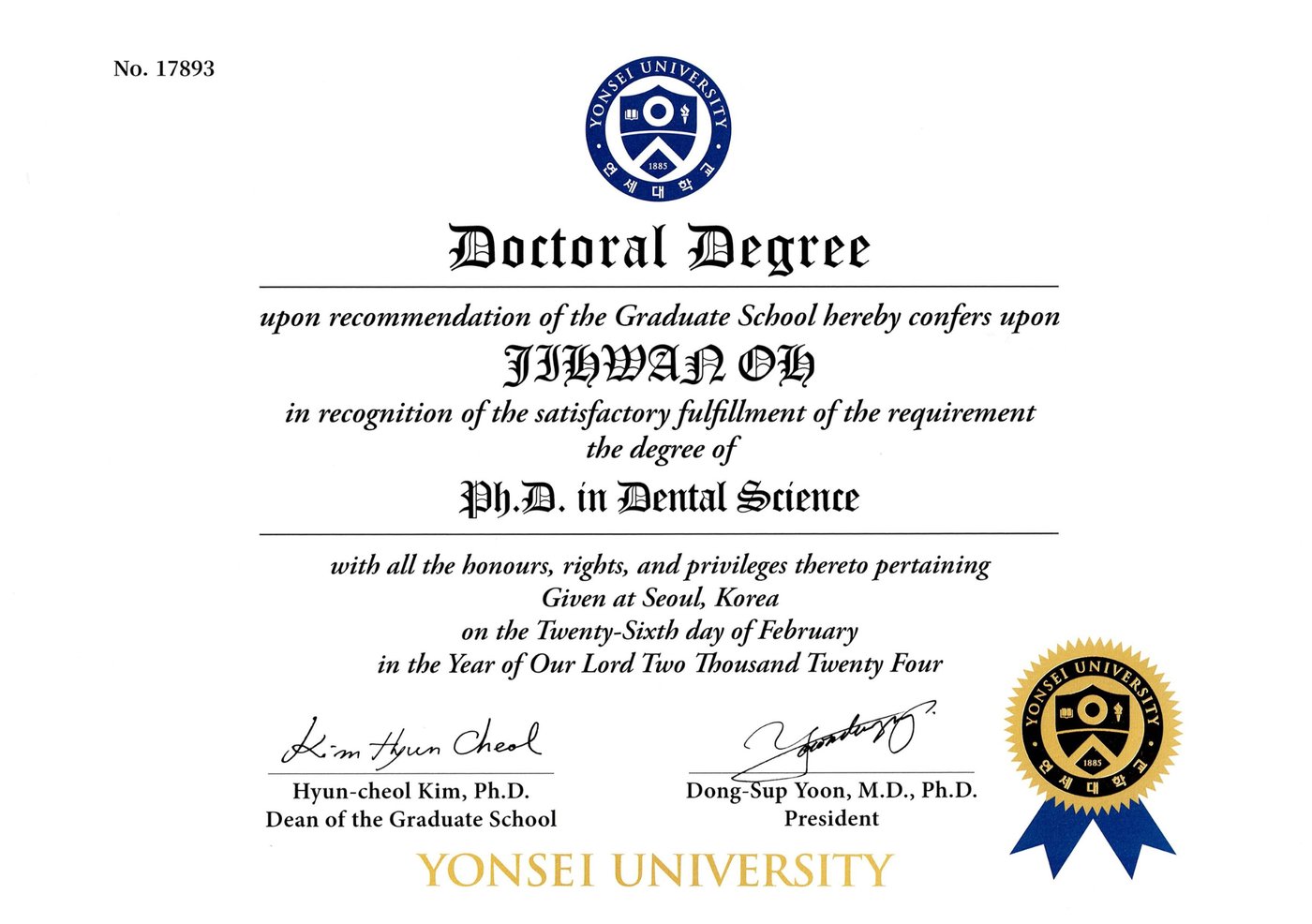
Yonsei University
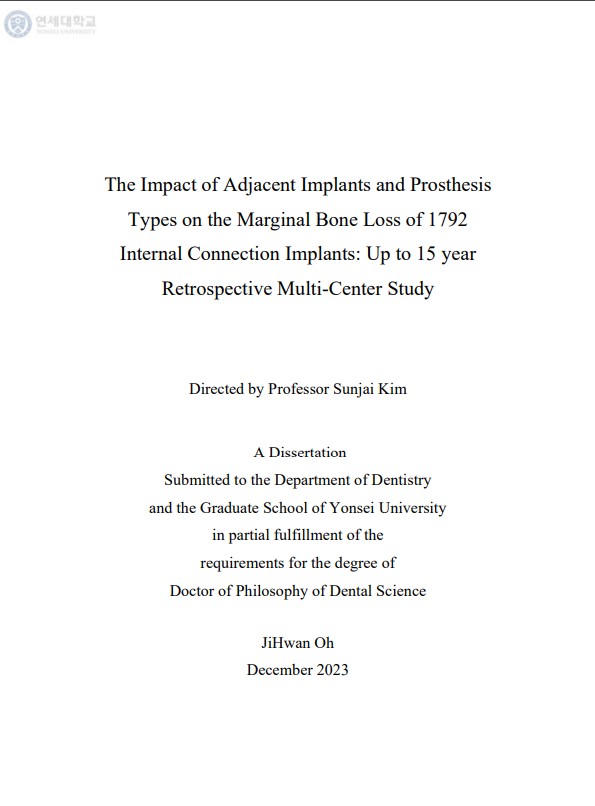
became a dissertation
international journal (JCM)
data from 1,780 implants
What 15 years of data taught us is simple: implant success is decided not on the day of surgery, but over the ten years that follow. That is why regular check-ups are part of our treatment plan, and why we issue a care certificate when treatment is complete. Results vary with bone condition and oral care habits — narrowing that gap is what regular maintenance is for.
Real cases, before and after
Drag the gold handle to compare before and after treatment.
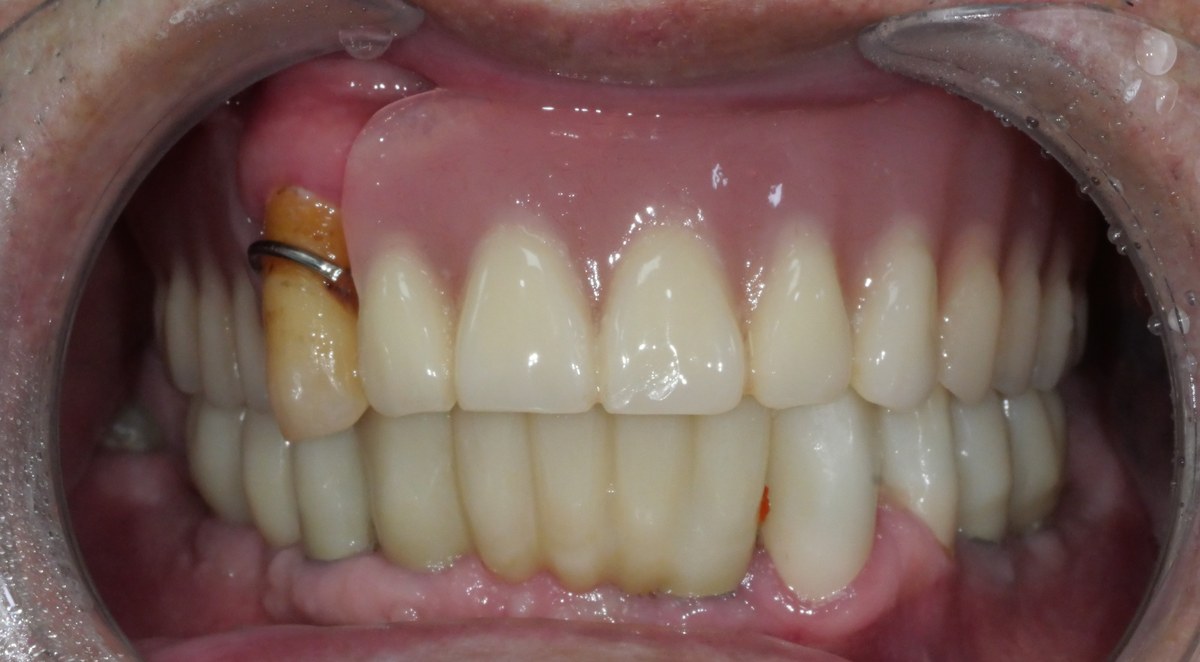
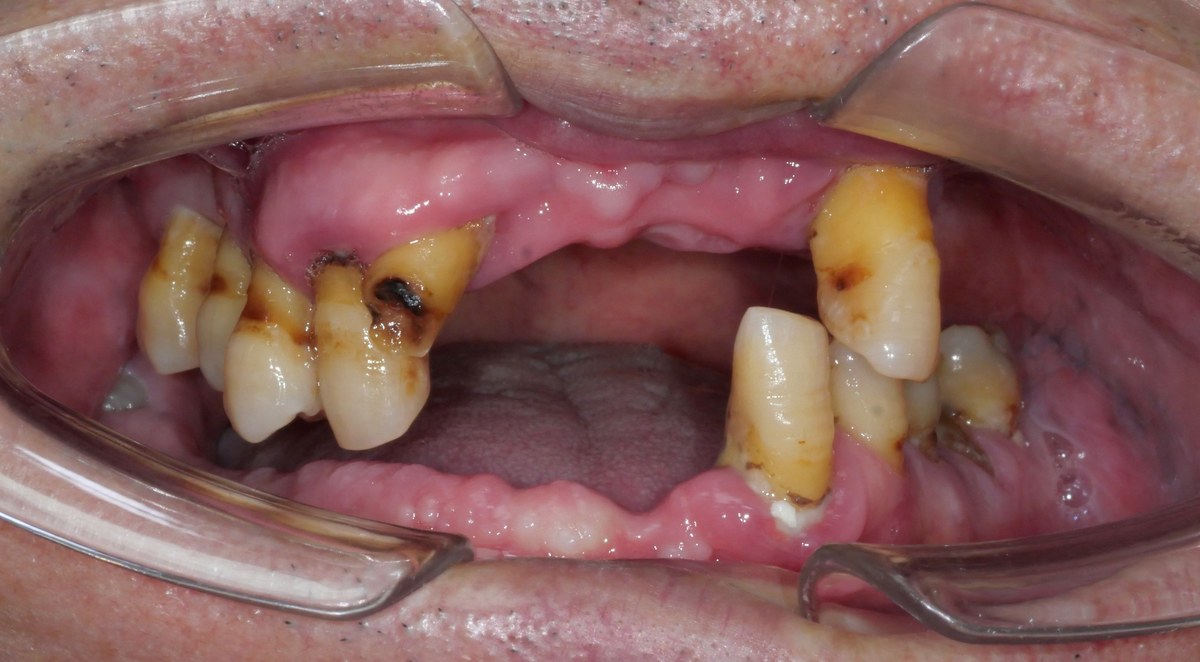
Implants + partial denture
Multiple teeth were lost and the remaining ones were loose. Function and aesthetics were restored with implants combined with a partial denture.
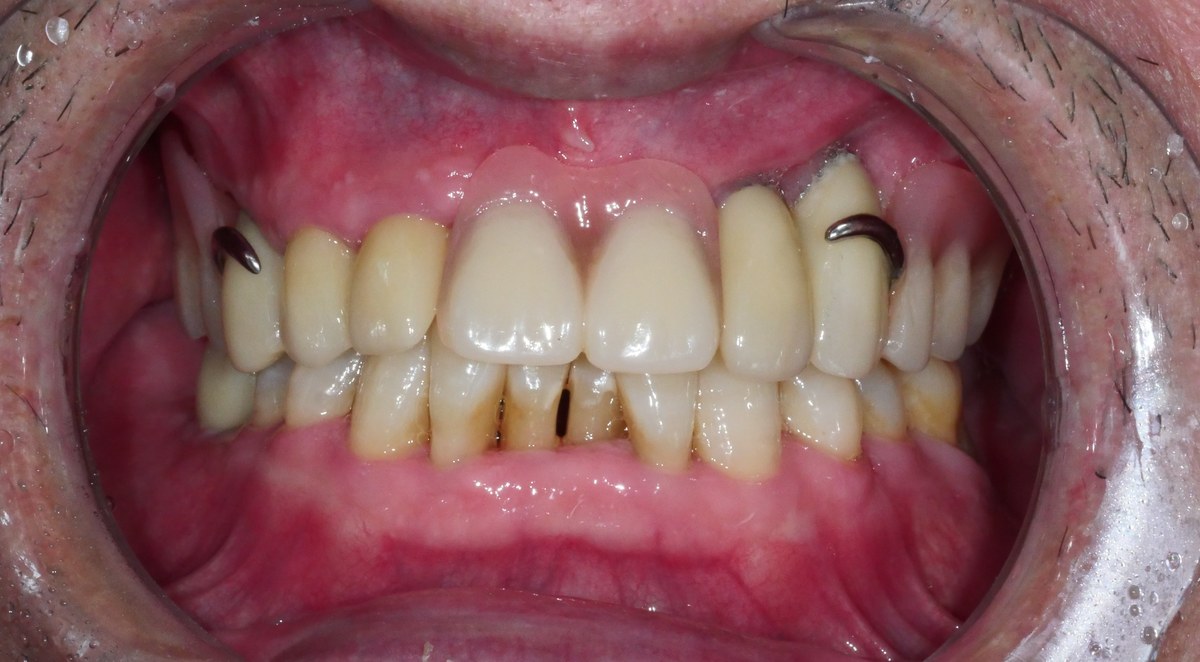
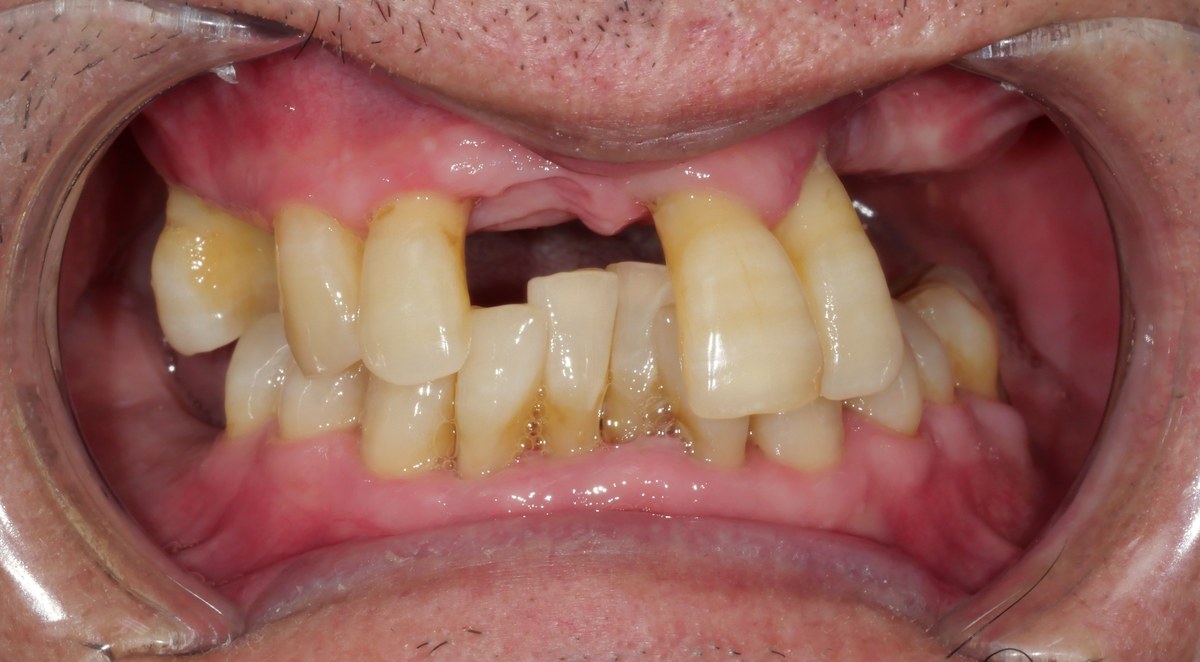
Denture + implants — full restoration
With most teeth already lost, overall function and aesthetics were rebuilt using implants together with a partial denture.
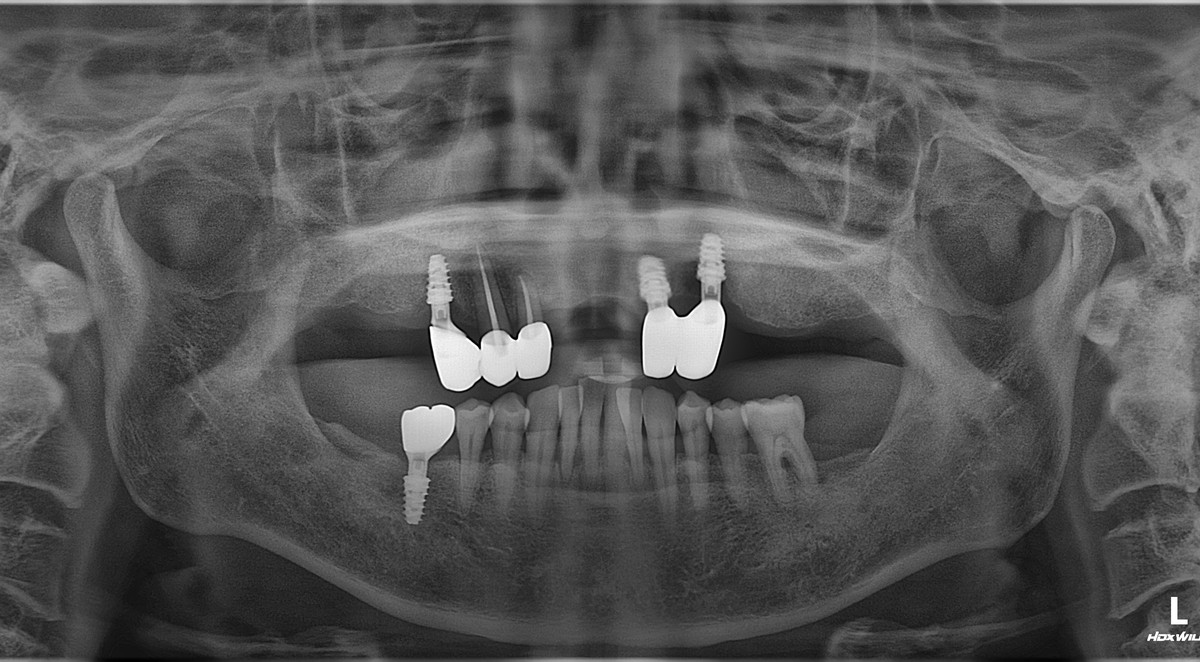
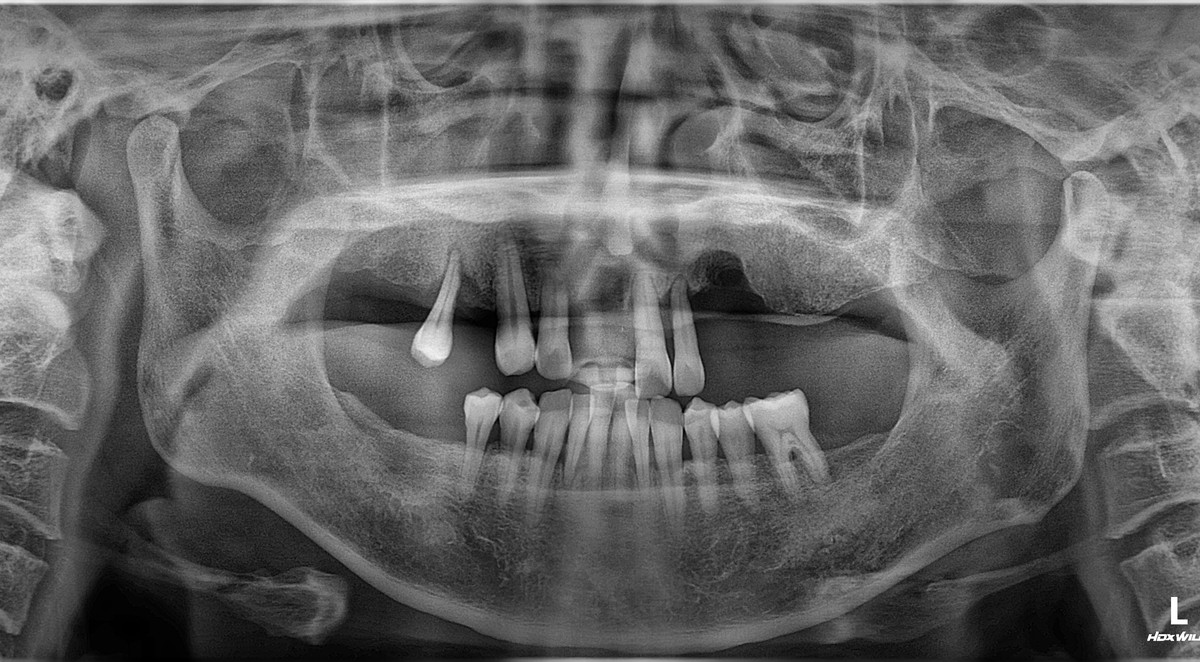
The same case, on X-ray
Panoramic X-rays of the case above — implants placed and prosthetics connected.
* All case photos are posted with patient consent, under Articles 23 and 56 of the Korean Medical Service Act.
* Before-and-after photos show the same patient, taken under the same conditions.
* All photos are of patients treated by the clinic director.
* Side effects may occur after procedures and results vary by individual — please consult our team fully before treatment.
You can visit us with confidence
These photos were kept with the kind consent of patients who completed their treatment. For those preparing a first visit, we hope these moments say more than words.
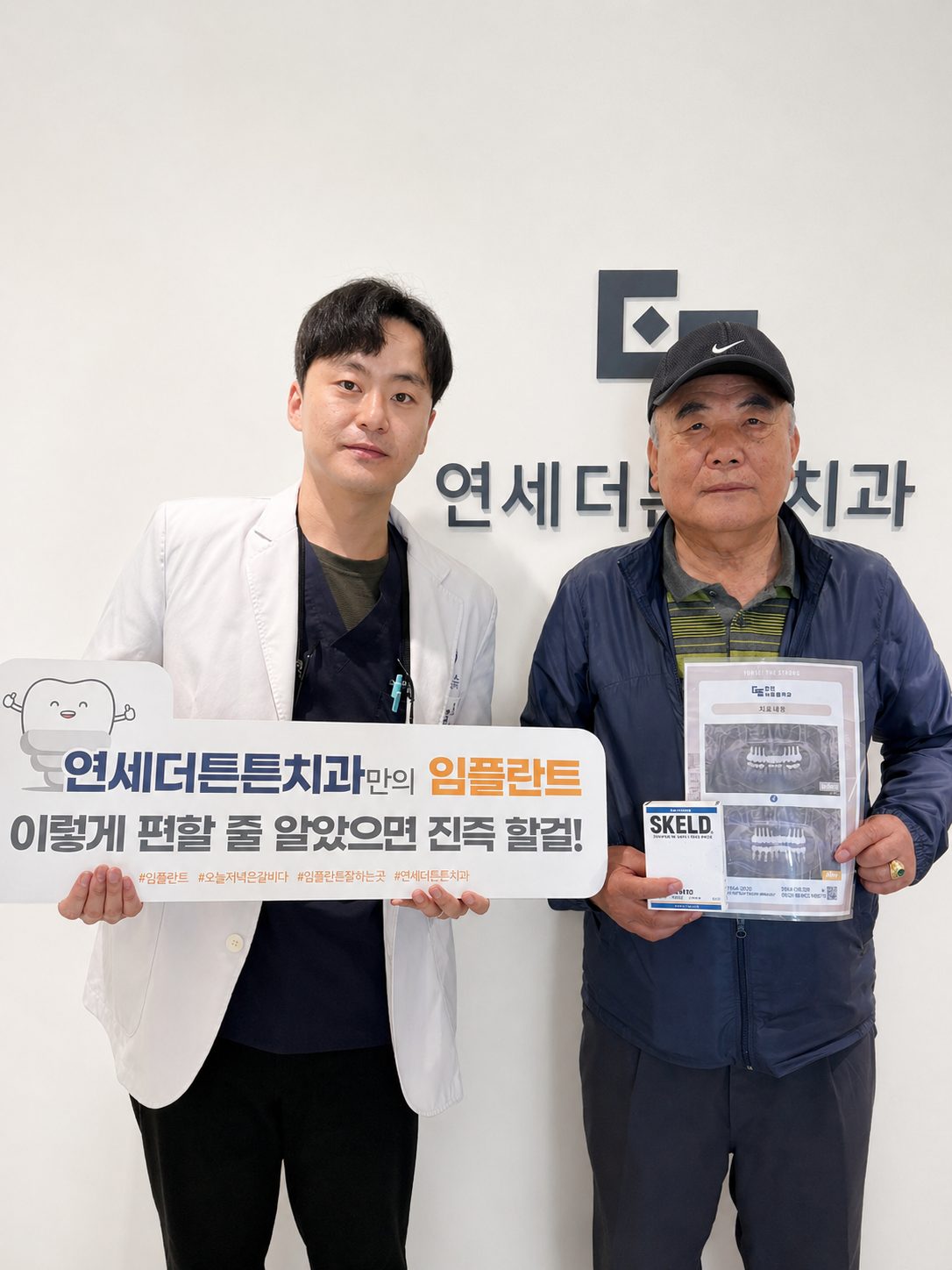
a comfortable daily life
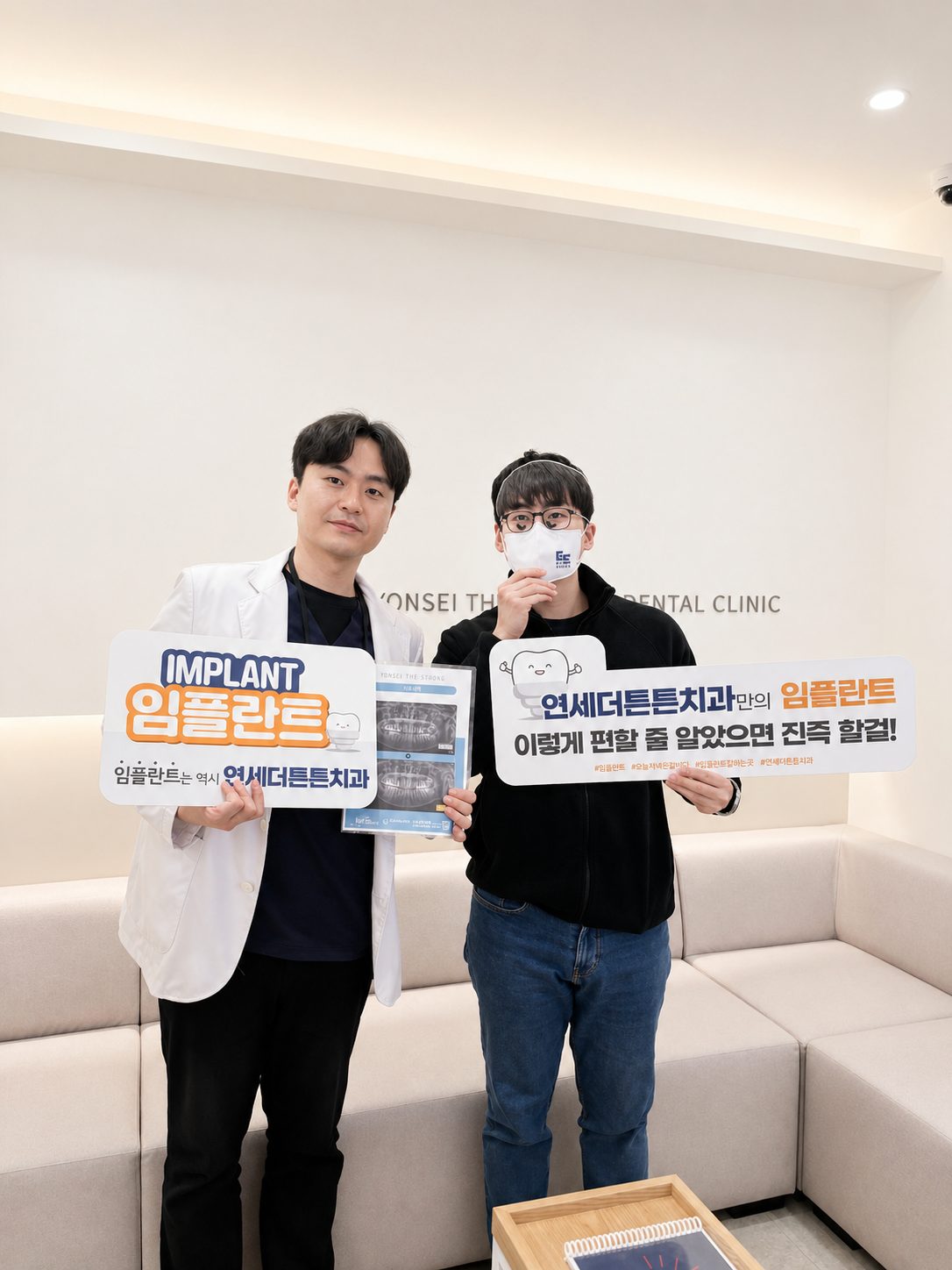
you placed in us
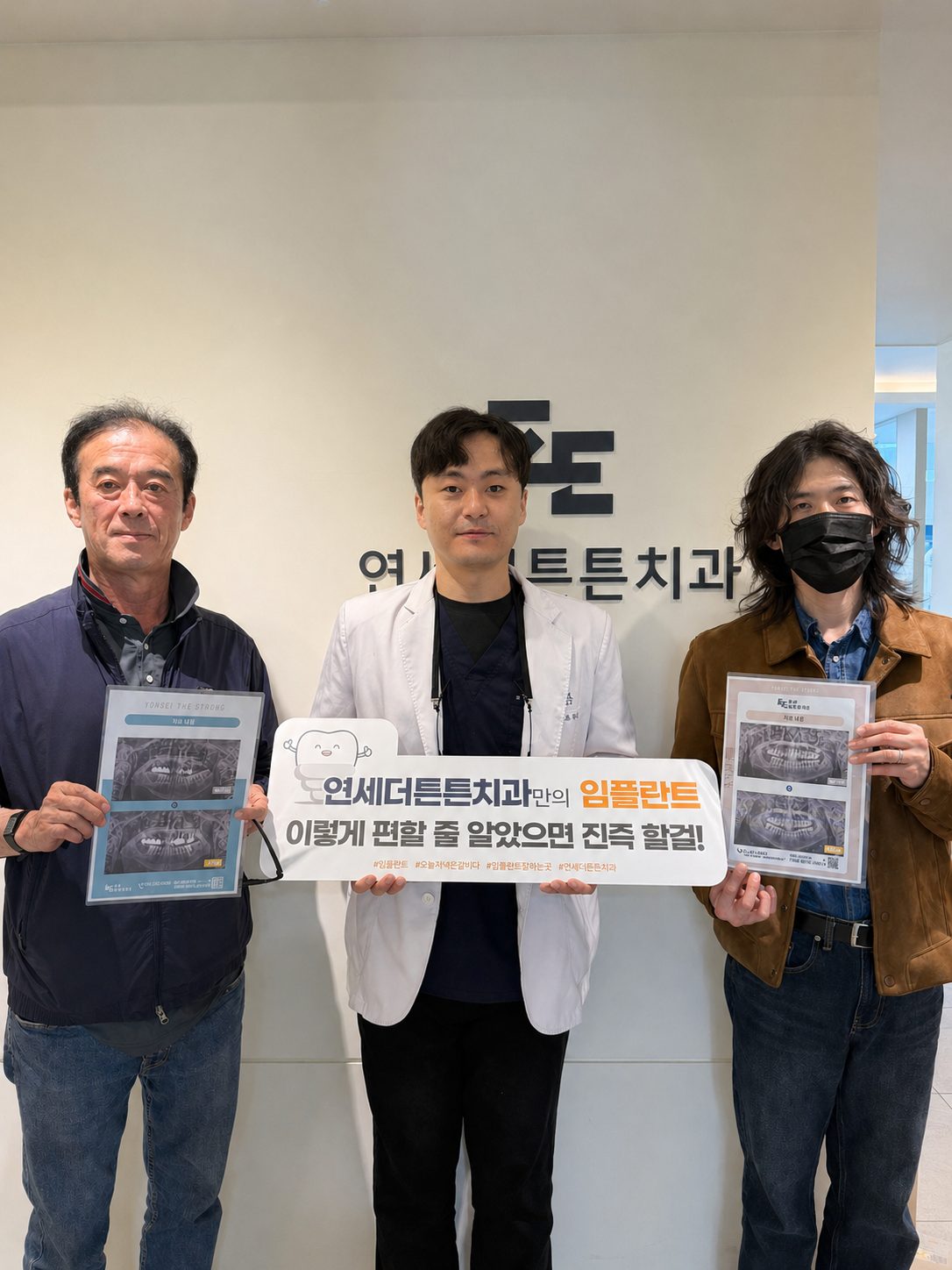
regular check-up
← Swipe to see more →
Two in five Koreans
visit a dentist for gum disease
13.4M patients in 2015 → 19.97M in 2025 · up 48.7% in a decade · No.1 most common outpatient condition
According to Korea's Health Insurance Review & Assessment Service, 19.97 million people were treated for gingivitis and periodontal disease in 2025 alone — roughly two in five of the population.
Since 2019 it has ranked as the nation's most common outpatient condition, ahead of colds and high blood pressure. One reason the number keeps growing: gum disease progresses without pain — many people only visit a dentist when a tooth starts to loosen.
Source: HIRA frequent outpatient condition statistics (2015–2025), as reported by the Dental Newspaper, No. 1171 (Aug 10, 2026). Recomposed summary.
What we take from these numbers is simple: the earlier gum disease is seen, the smaller the treatment. At the sensitive-or-bleeding stage, scaling and gum care are often enough — and adults 19+ get national insurance coverage for one scaling per year.
A check-up every six months is the "treatment" we recommend most often. We are open weekdays until 9 PM and on weekends — about regular check-ups →
What we treat
We explain every treatment until you fully understand it — and recommend only what you truly need.
Common questions
Do you speak English?
Are you open on weekends and holidays?
Do you accept Korean National Health Insurance?
How do I book an appointment?
Even after your day ends,
we are here for you.
Open until 9 PM on weekdays — 365 days a year.