The Root Canal Is Done — Do I Really Need the Crown? A Jangam Station Dentist's A-to-Z on Why, the Exceptions, and the Cost
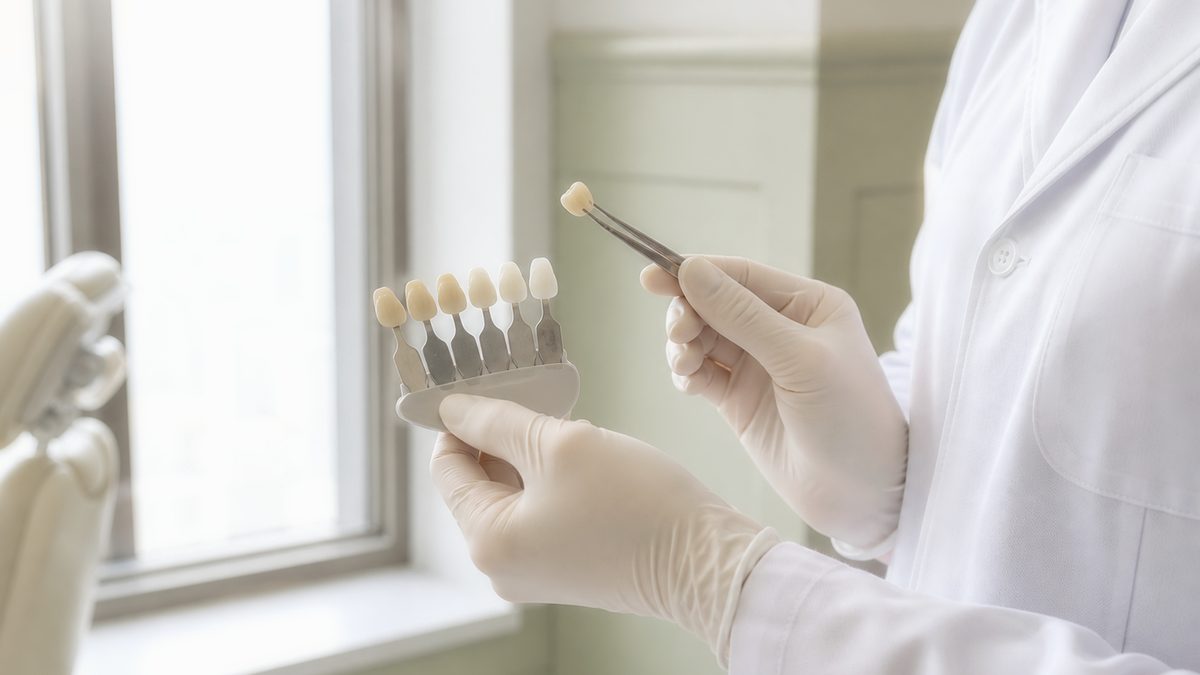
Key takeaway A root-canal-treated tooth no longer hurts, but having lost its moisture and nerve it becomes brittle like a dry branch. The crown is that tooth's helmet — and while you postpone it, a vertical crack can cost you the tooth. When a crown is essential and when it isn't, choosing the material, costs and insurance, and care after fitting.
Hello. I am Dr. Oh Ji-hwan of Yonsei The Strong Dental Clinic.
On the last visit of a root canal, when I announce the treatment is finished, nine out of ten faces relax. Then I mention the crown — and a quiet calculation crosses those faces. "It doesn't hurt at all now… do I really have to cap it?" A patient from Suyu-dong asked frankly whether the cost could wait, and a regular from the Jangam Station direction said, "People online say they got by without one." Today I want to answer that question properly. The conclusion first: most molars need the crown, and the reason is not pain — it is physics.
A root canal succeeds at removing the infection inside the tooth, but the tooth pays with two losses: the structure hollowed out from within, and — along with the nerve and blood vessels — its moisture and sensation. Today: what is really going on inside a treated tooth, why it must be capped even though nothing hurts, which exceptions exist, how to choose the material, what the costs and insurance look like, and what to manage after fitting.
What state is a root-canal-treated tooth in?
Root canal treatment removes the infected nerve and vessels inside the tooth, disinfects the empty space and seals it. The infection is solved — but the tooth's condition is now completely different.
First, it is hollowed out. A tooth that needed a root canal usually had deep decay. Clearing the decay, opening access to the nerve, widening and disinfecting the canals — the process removes much of the tooth's internal structure. What remains is close to a hollow shell of walls.
Second, it dries out. The vessels removed with the nerve were the tooth's supply line for moisture and nutrients. Cut off, the tooth slowly loses hydration and — like the difference between a green branch and a dry one — loses its elasticity and becomes prone to fracture.
Third, the alarm goes silent. This is the crucial part. With no nerve, this tooth can no longer report pain. Excess force, a starting crack, even a new infection inside — all silent. Painlessness does not mean recovery; it means the tooth has lost its way of telling you.
And a tooth with all three conditions works at the highest-load station in the body. A molar's biting force can approach body weight, applied hundreds of times a day to a hollow, dry tooth. The crown wraps the whole tooth so that the chewing force lands on the crown, not on the thinned walls. The common helmet analogy is exactly right — no one puts on a helmet after the crash.
What happens without the crown — scenarios compared
| Category | Finished with a crown | Left in a temporary state |
|---|---|---|
| Chewing force | Received and distributed by the crown | Borne directly by thinned walls |
| Fracture risk | Sharply reduced | Accumulates over time |
| Fracture pattern | — | Vertical cracks often mean extraction |
| Reinfection | Blocked by a maintained seal | Temporary material leaks; reinfection risk |
| Pain alarm | Already absent | Absent — discovered only when it breaks |
| Final cost | Ends at the crown | Can expand to retreatment, extraction, implant |
The most frightening cell is "fracture pattern." When a treated tooth breaks, it does not always chip politely — it can split vertically toward the root, and a vertical fracture cannot be reversed by adhesives or crowns; it usually means extraction. Losing a tooth saved by a root canal on the final stair — the outcome we find hardest to watch.
Where you stand — checklist
- The root canal is done but you have spent weeks or more in a temporary filling
- The treated tooth is a molar (a high-load position)
- Chewing on it sometimes feels odd or gives a twinge
- The temporary material seems worn or partly chipped away
- You have gone a long time without the crown
- A crack-like line is visible on the tooth
Any one item means the postponed finish needs checking. The third — a twinge on chewing — can signal a crack already starting, meaning the window in which a crown can still cover it is closing.
When it must be crowned — and the exceptions
Honestly: not every root-canal-treated tooth requires a crown. The criteria are position and how much tooth remains.
Crown side — most molars. Molars and premolars take chewing force head-on, so a crown (or full-coverage restoration) is the standard finish after a root canal. All the more so when the cavity was large and walls are thin, when a crack was already present, or when you grind your teeth.
Possible exceptions — some front teeth. Front teeth cut rather than crush, so the direction and size of force differ. If the decay was small — little more than the access opening was lost — and the remaining walls are sound, finishing with a resin filling alone can be considered. But even a front tooth with large loss or advancing discolouration may need a crown or another restoration.
Sometimes a post is needed. When too little tooth remains, a body must first be built to hold the crown: a post placed in the root, a core built on it, and then the crown — one extra stage. Whether it is needed depends on the remaining tooth, judged from the opened tooth and the X-ray.
So the true answer to "do I have to?" differs by tooth, and rests on three things: position, remaining walls, chewing habits. Either way, one principle is shared — postponing the decision is the worst choice. Temporary filling material is engineered to last weeks, not seasons.
Questions we are often asked
Q. It doesn't hurt — why the urgency? A. Because painlessness is this tooth's default state. A tooth with its alarm off cannot report trouble, and the temporary material quietly wears and leaks. It is not "hurry" so much as this: the rule of thumb "I'll go when it hurts" simply does not function for this tooth.
Q. Can't I just have it filled instead of crowned? A. For some front teeth, yes. But in a molar, a large filling alone leaves chewing forces wedging the thin walls outward, and the fracture risk remains. It is a problem of load structure, not of material — "a harder filling" does not solve it.
Q. Can I live on the temporary crown for a few months? A. A temporary crown is the bridge while the final one is made. Its material is soft and its cement weak; over months it wears, leaks and falls out. The troubles of long temporary living are covered in our dislodged restoration guide.
Q. It's been over a year since my root canal — can I still crown it now? A. Checking now is the right move. But in that time the temporary may have leaked into reinfection, or a crack may have formed — so an assessment comes before the crown. If all is well, straight to the crown; if reinfected, retreatment first. It is not too late to give up on — it is the stage to check before it becomes too late.
Q. Can decay come back under a crown? A. The crown itself cannot decay, but the margin where crown meets tooth is a care zone. Kept unclean, secondary decay can start in that seam. That is why post-crown care matters — summarised below.
Choosing the material — and the costs
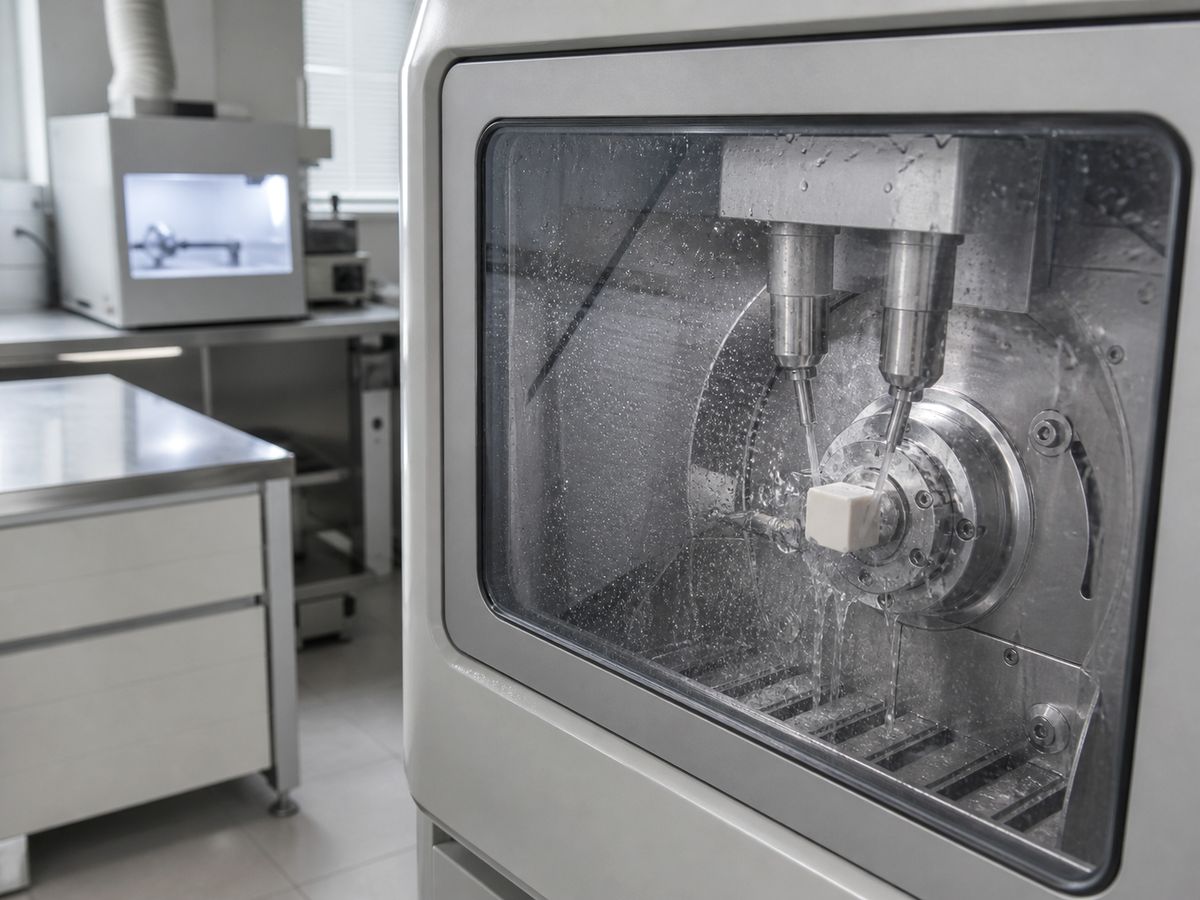
The criterion is not "the best material" but "the right material for this tooth in this position."
- Zirconia: strong and natural in colour — currently the most widely used, a sound choice for high-load molars. Details in our zirconia crown guide.
- Gold: the classic, proven in strength and fit. Its colour rules out visible positions, but it is gentle on opposing teeth — still an excellent option for an unseen molar in a grinder.
- PFM (porcelain fused to metal): a cost-adjustable option, though a metal line may show at the margin if gums recede.
Cost and insurance reference
| Item | Insurance | Out-of-pocket guide |
|---|---|---|
| Root canal itself | Covered | About KRW 50,000–200,000 |
| Post and core (if needed) | Varies by item | About KRW 50,000–150,000 |
| Crown (zirconia, gold, etc.) | Not covered | About KRW 300,000–600,000 |
| Posterior crown at 65+ | Conditionally covered | Reduced out-of-pocket |
| Temporary crown | Usually included in the course | Confirm separately |
| Follow-up and bite adjustment | Covered | Varies by item |
These figures are orientation ranges, varying with material, site and co-payment. Two things worth noting. First, from age 65 there is insurance coverage for posterior crowns — check if it applies to you. Second, the paradox of cost order: postpone the crown to save money, and a split tooth's bill — extraction plus implant — runs to several times the crown. The crown is insurance protecting the investment already made in the root canal. I have discussed how prosthetic finishing decisions are made in a Vegan News article (in Korean).
How the process runs
- Assessment: the root canal's finish and remaining tooth are checked; the need for a post is judged.
- Shaping and impression: the tooth is prepared by the crown's thickness and a precise impression taken (with little pain expected — the nerve is gone).
- Temporary crown: protects the tooth until the final crown arrives. Avoid sticky foods meanwhile.
- Final fitting and bite adjustment: shade and fit confirmed, cemented, then the bite is tuned precisely — this adjustment decides half the crown's lifespan.
- Follow-up: use it a few days; if the height feels off, have it adjusted rather than adapting to it.
Usually two to three visits over one to two weeks.
After the crown — the real finish
A crown does not return the tooth to its original self. The alarm is still off — so habit must guard what sensation no longer can.
- Clean the margin daily. The line where crown meets gum is secondary decay's only doorway. Slide floss out sideways to spare the crown.
- No habitual cracking of ice, dried squid or nut shells on that tooth. Crowns break under overload too.
- A night guard if you grind — night forces are several times daytime ones.
- Have the margin and root tip checked at routine visits. A treated tooth stays silent even in trouble; X-ray comparison is effectively the only surveillance.
- Swelling or a gum pimple near it — check even without pain. It can signal root-tip reinfection; that story is in our gum abscess guide.
Call us if
- That crown keeps touching first when you bite
- The gum around it bleeds or smells
- The crown feels loose or lifted
- A pimple on the nearby gum comes and goes
Where to have it finished
- Do they judge crown-or-not per tooth — neither always-crown nor always-skip, but reasons from position and remaining tooth?
- Do they mention the post in advance? Early explanation prevents items multiplying after the start.
- Is the bite adjusted meticulously — checked with articulating paper and re-adjusted when off?
- Are material pros and cons laid out side by side, rather than steering to the priciest?
- Is a follow-up scheduled — a plan beyond the fitting day?
Three common failure patterns
First, letting seasons pass on "it doesn't hurt." This whole article exists to prevent this one failure. A temporary filling is a weeks-grade material.
Second, creating a bigger bill by dodging this one. The reluctance is understandable — but a vertical crack's invoice is several crowns' worth. If cost is the issue, say so instead of postponing: adjusting material and sequence together is the far better path.
Third, dropping care after the crown. The crown is not completion but the start of new maintenance. Margin cleaning and routine checks — those two suffice.
In closing
Three things, in summary. First, a root-canal-treated tooth is not healed-quiet but hollow, dry and silent — and most molars need a crown to take the chewing force in their place. Second, exceptions exist — some minimally damaged front teeth finish with a filling; the criteria are position, remaining walls and chewing habits. Third, the worst option is time spent in the temporary state. A vertical crack cannot be undone, and its bill runs to several times the crown. If you have finished a root canal and shelved the crown, remember why that tooth is quiet — not because it is fine, but because it has no way to tell you. Conditions vary by individual; the precise judgement follows an examination.
Today in one line: a treated tooth is quiet not because it healed but because its alarm is off. The crown is the helmet worn before the crash — and helmets only work when worn in advance.
Our clinic sees patients until 9 p.m. on weekdays and opens 365 days a year, so a postponed crown finish fits easily into an after-work schedule. Our clinic's AI phone guidance also runs 24 hours a day after closing. We are about a five-minute walk from Exit 1 of Dobong Station, Seoul (towards Dobong 1-dong Post Office), and a few train stops from Jangam Station — within easy reach of the Jangam and Suyu-dong areas. If you are driving, please see our parking guide.