Dental stories from our director
Answers to the questions patients ask us most — implants, night toothaches, insurance and more.

It's Only a Baby Tooth — Does It Really Need Treating? A Mangwolsa Station Dentist on Children's Cavity Options
Even a baby tooth due to fall out sometimes needs treating and sometimes doesn't. The two things that decide it are when that tooth is due to come out and how deep the decay has gone. What fillings, stainless steel crowns and baby-tooth pulp treatment are each for, and how far health insurance reaches.
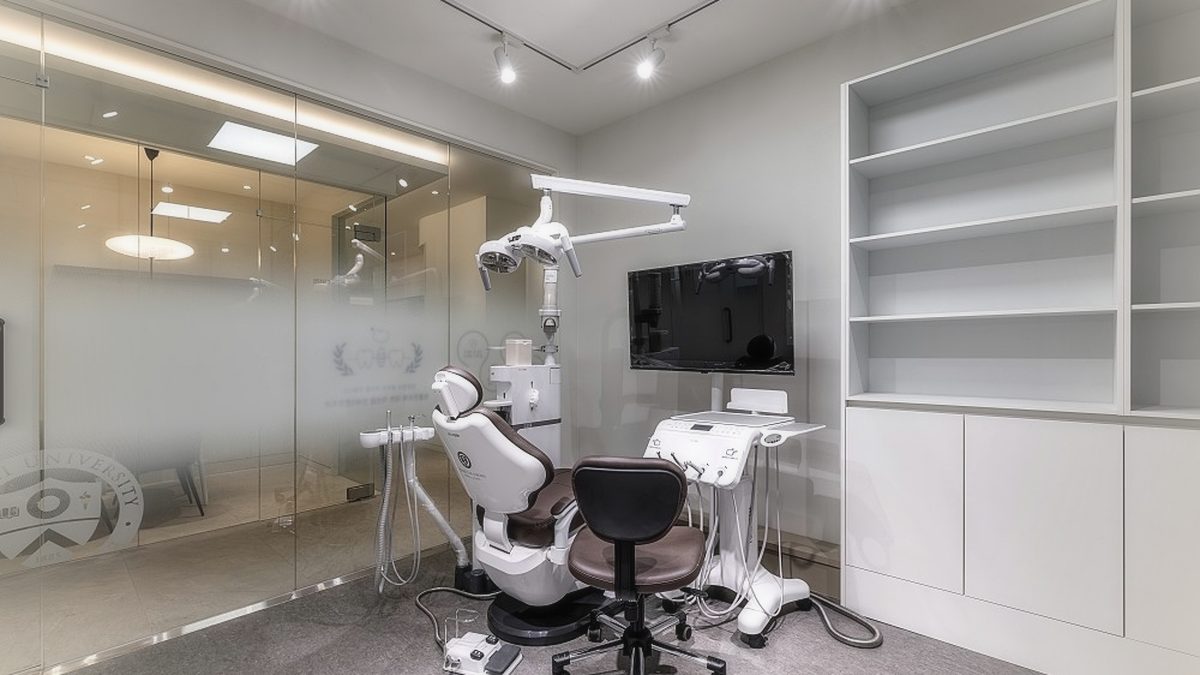
Choosing a Children's Dentist Near Dobong Station — What Parents Should Actually Look For
Choosing a dentist for your child is not about finding someone who soothes them well, but someone who keeps them in a state where treatment isn't needed. What happens at the first visit, how far national health insurance goes, five questions to ask at the consultation, and the signs that tell you to look elsewhere.
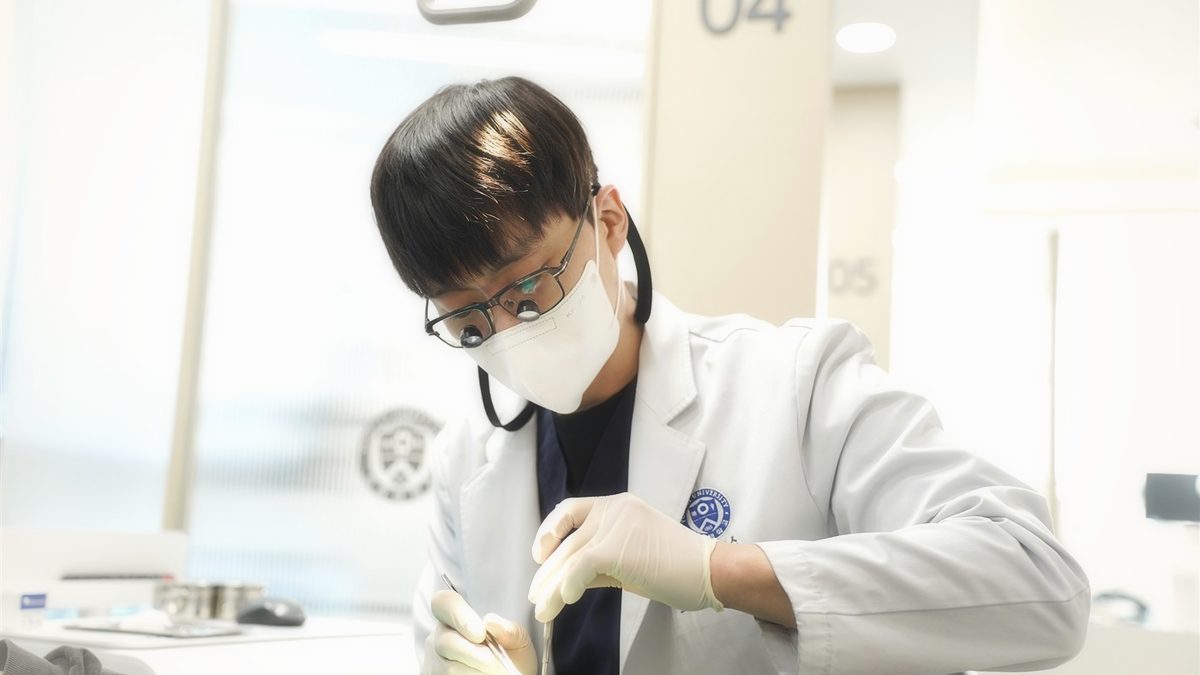
Getting Your First Full Denture — A Banghak Station Dentist on the Process and the Adjustment Period
A full denture takes about four to six weeks to make and roughly two to three months to get used to. Most of the discomfort in the first month is resolved by adjustment, not endurance. The fabrication steps, what to do when it hurts, health insurance from age 65, and the option of adding implants.
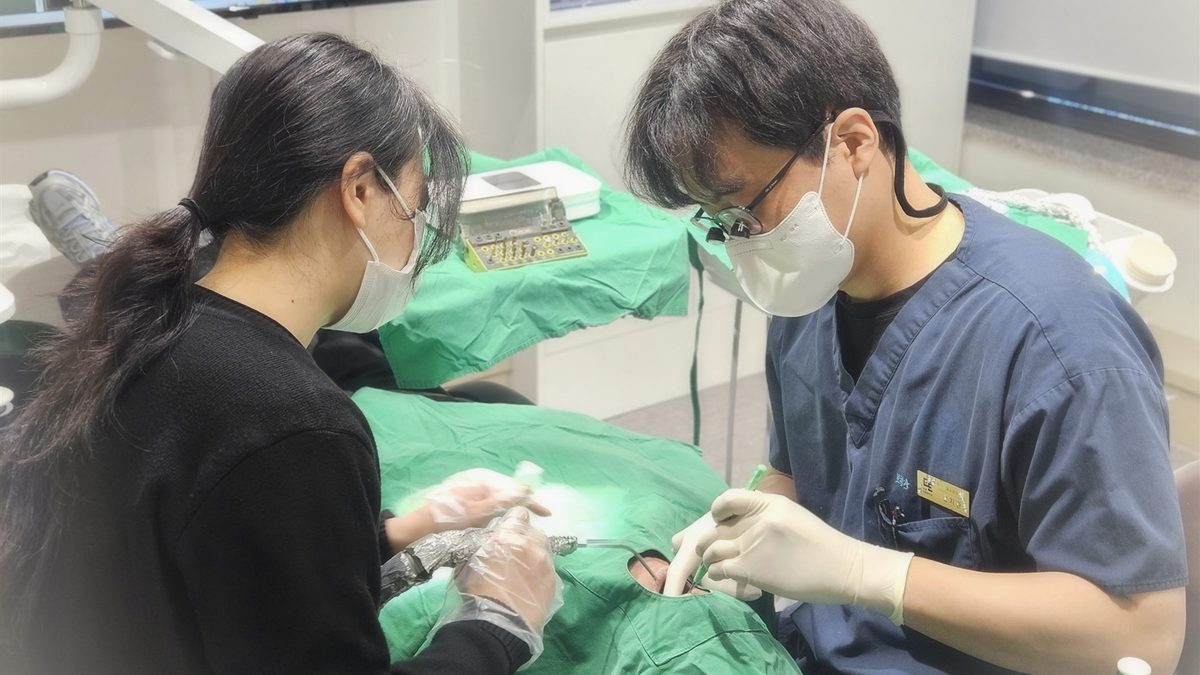
How Long Does an Implant Take? — A Banghak Station Dentist's Stage-by-Stage Implant Timeline
For a straightforward case, roughly three to four months from first consultation to final crown; with a bone graft, about six to nine. The surgery is one day — the rest is mostly waiting. What sets the timeline, how long each stage takes, how to live through the wait, and what "we'll shorten it" really means.
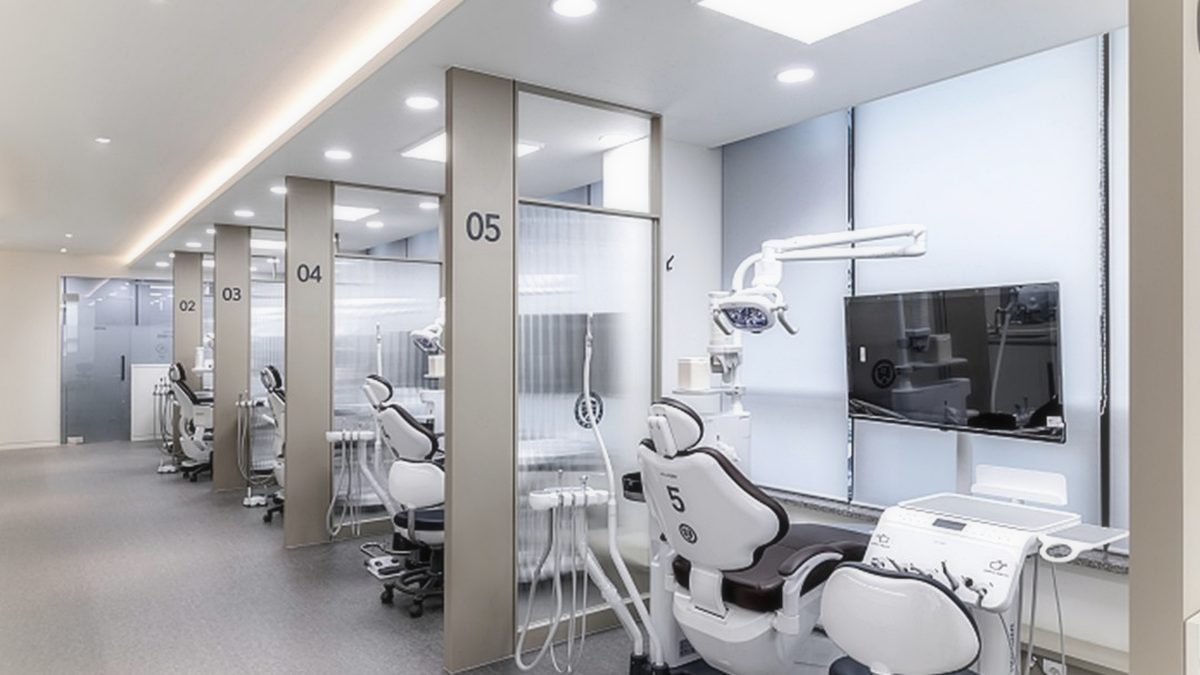
Why Does Root Canal Treatment Take Several Visits? — A Suraksan Station Dentist on Visit Counts and What Happens If You Stop Halfway
Root canal treatment usually runs over two to four visits. It isn't finished in one sitting not because of a lack of skill, but because inflammation needs time to settle and the inside needs disinfecting. What happens at each visit, how far national health insurance goes, and exactly what changes if you stop partway.
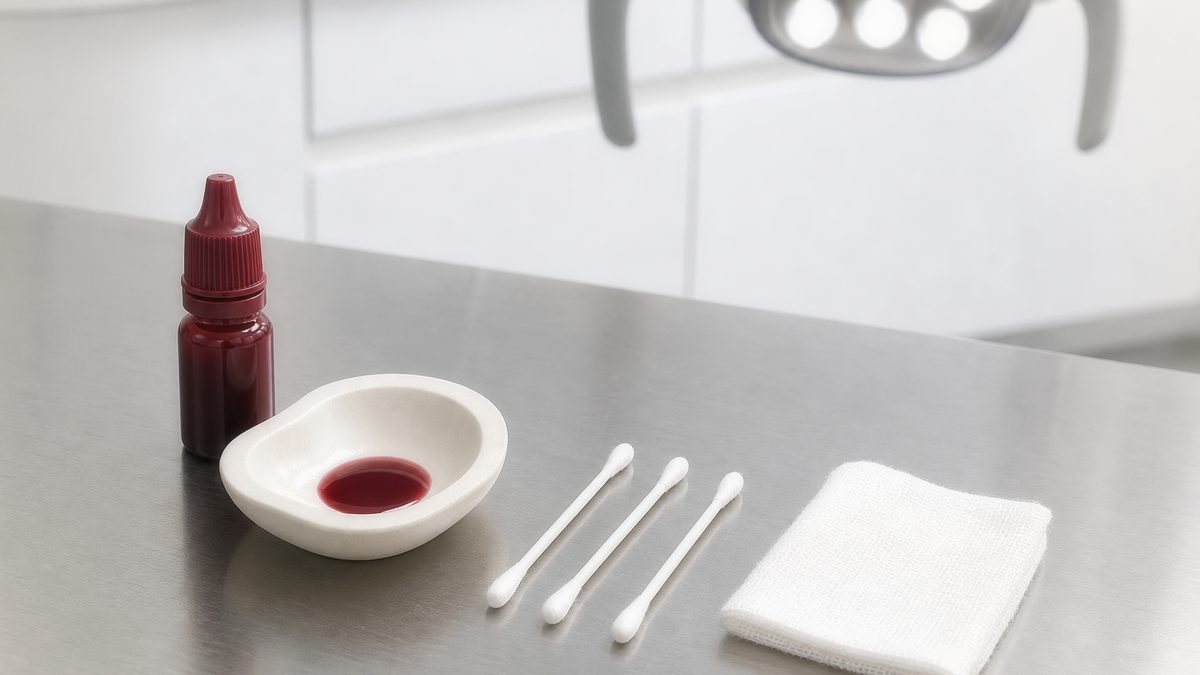
"They Found Five Cavities — Do They All Need Filling? A Changdong Station Dentist's A-to-Z on Cavities to Watch vs. Cavities to Treat"
Not every cavity is the same cavity. Early decay confined to the enamel can be halted with fluoride and daily care and safely monitored, while decay that has reached the dentin only grows with waiting. How that boundary is checked, what to do while monitoring, treatment options and insurance.

"Getting My First Partial Denture — How Does It Work? A Mangwolsa Station Dentist's A-to-Z on Types, the Making Process, and Settling In"
A partial denture fills the gaps by anchoring to your remaining teeth. From impressions to delivery it usually takes 4–6 visits over 3–5 weeks; the first week or two feels strange with speech and saliva, and it becomes familiar over one to two months. Types, comparison with bridges and implants, the step-by-step process, the settling-in period, and insurance for those 65 and over.
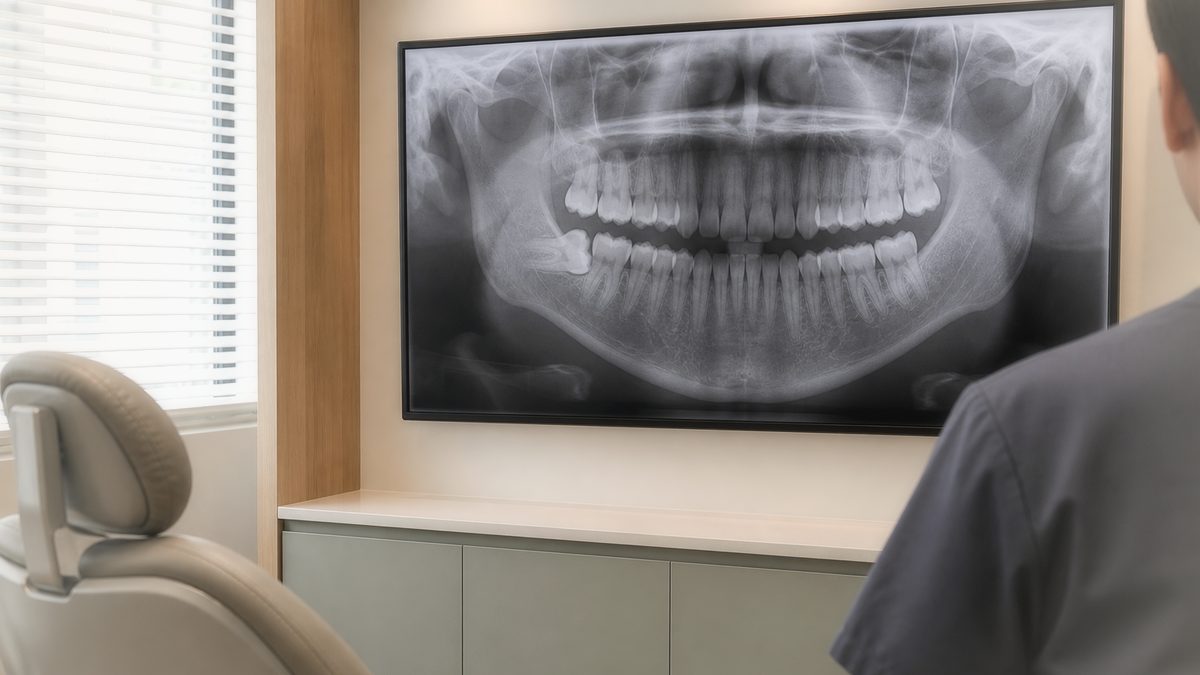
"They Said My Wisdom Tooth Is Sitting on the Nerve — A Suraksan Station Dentist's A-to-Z on Impacted Wisdom Teeth"
Two teeth called "a wisdom tooth" can differ completely in difficulty depending on how they lie and how close they sit to the nerve. Why impacted wisdom teeth are hard, when a panoramic X-ray isn't enough and 3D imaging is needed, what the nerve risk really means, anesthesia options, recovery and cost.
"My Child Cries Every Time We Go to the Dentist — A Jangam Station Dentist's A-to-Z on Easing Dental Fear in Kids"
A child's fear of the dentist doesn't come from being timid — it comes from not knowing what is about to happen. Bringing them with no warning, promising "it won't hurt," and using the dentist as a threat all make it worse. Here is what to do at home beforehand, why we often postpone treatment at a first visit, how the approach changes with age, and what insurance covers.
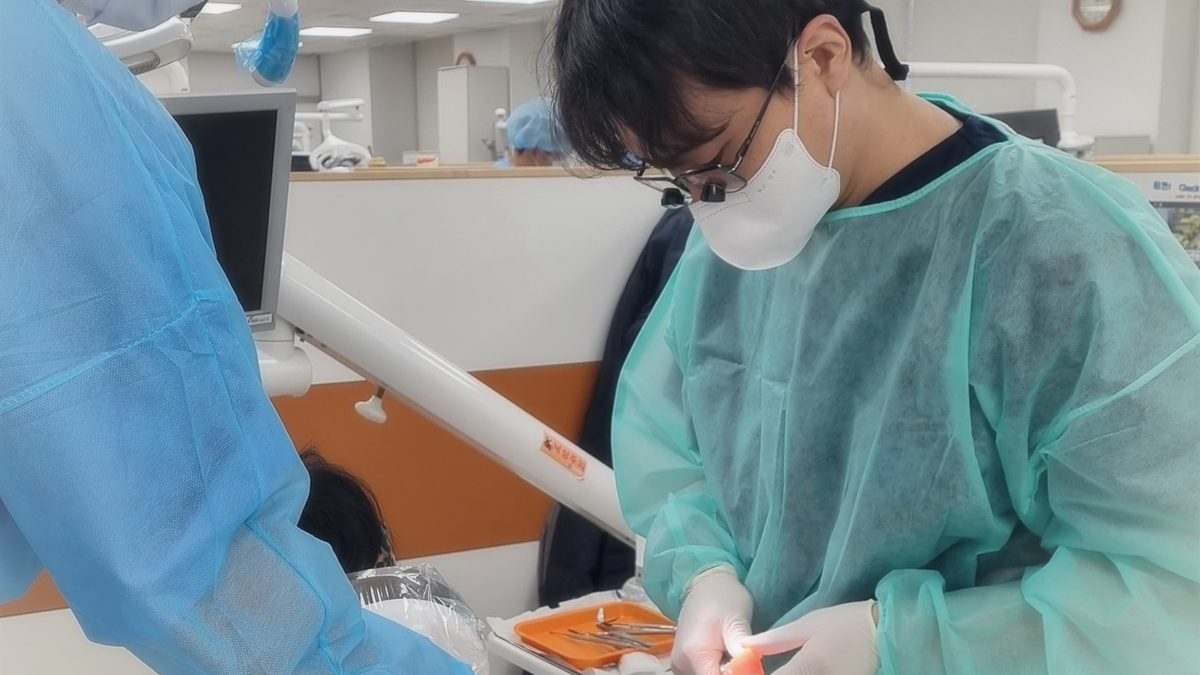
"They Told Me I Don't Have Enough Bone for an Implant — A Banghak Station Dentist's A-to-Z on Bone Grafting"
An implant bone graft is not an upsell. It builds the foundation when there isn't enough bone to hold an implant. Why bone disappears, how graft materials differ, what a sinus lift is, how long it takes and how much it hurts, costs and coverage, and the conditions that lower success rates.
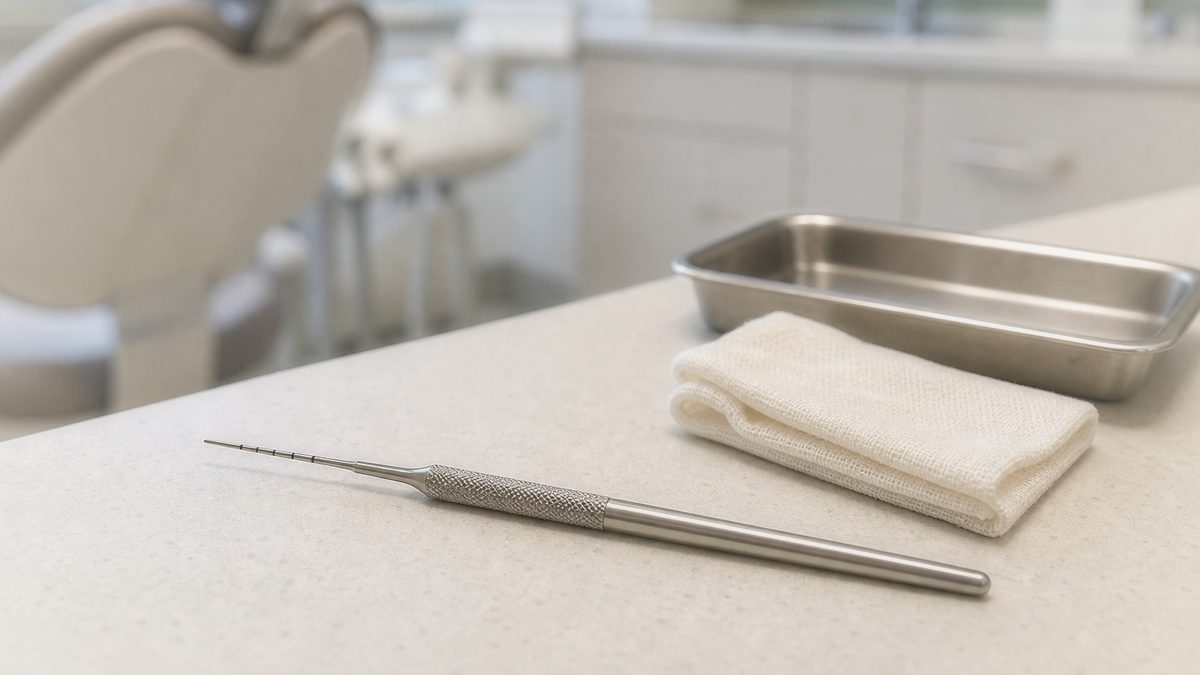
"Told That Scaling Alone Isn't Enough — What Comes Next? A Changdong Station Dentist's A-to-Z on Gum Treatment Stages, Pain, and Insurance"
Gum treatment is not a single scaling appointment. It is a staged treatment that moves from calculus removal to root planing, subgingival curettage, and periodontal surgery. Most stages are covered by national health insurance, and pain during the procedure is managed with local anesthesia. Here is the full picture — stage differences, how much it really hurts, costs and coverage, and aftercare.

"My Root-Canaled Tooth Hurts Again — A Changdong Station Dentist's A-to-Z on Retreatment vs. Extraction"
A tooth that hurts after root canal treatment is usually not a failure but a sign that bacteria remain inside the root. Whether to save it with retreatment or remove it is decided by the remaining tooth structure and root condition, not by how much it hurts. Causes of recurrence, decision criteria, the retreatment process and pain, costs and coverage, and what comes next if extraction is chosen.
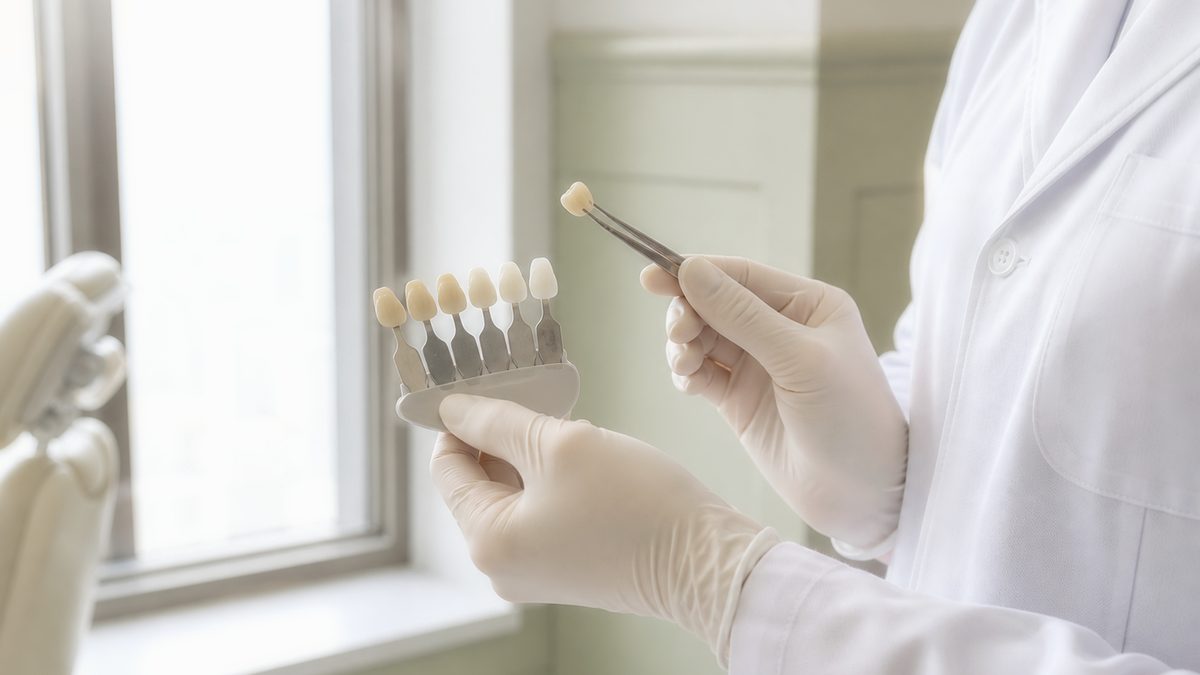
The Root Canal Is Done — Do I Really Need the Crown? A Jangam Station Dentist's A-to-Z on Why, the Exceptions, and the Cost
A root-canal-treated tooth no longer hurts, but having lost its moisture and nerve it becomes brittle like a dry branch. The crown is that tooth's helmet — and while you postpone it, a vertical crack can cost you the tooth. When a crown is essential and when it isn't, choosing the material, costs and insurance, and care after fitting.
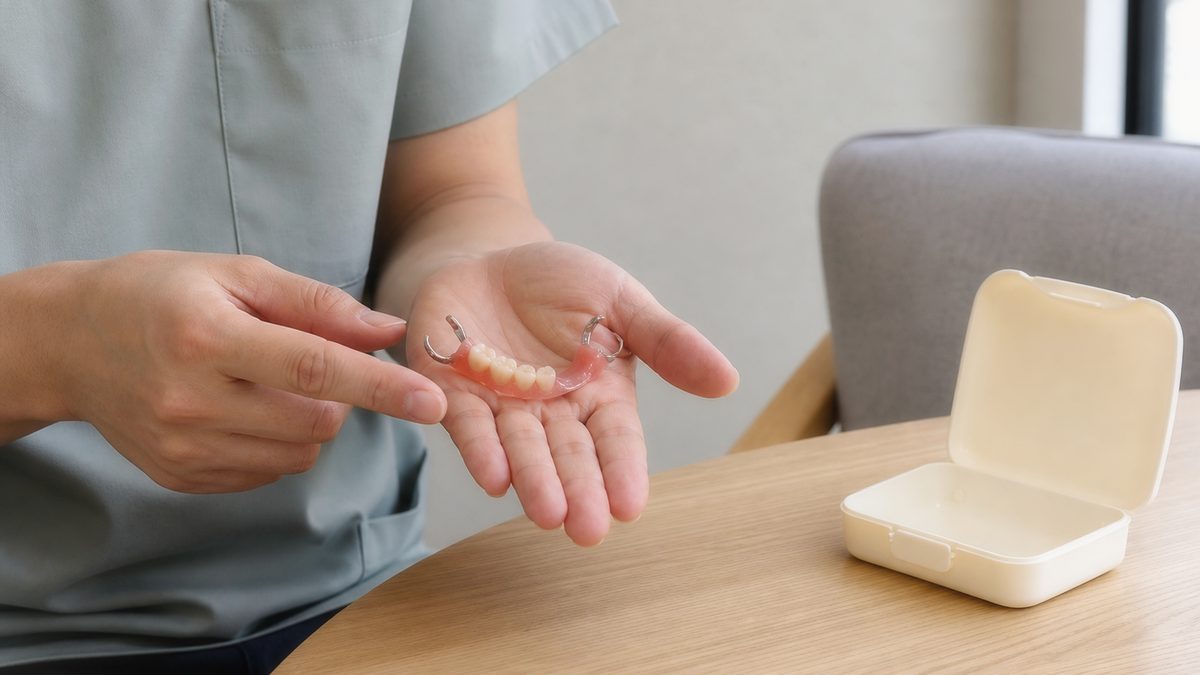
My Dentures Keep Getting Loose — A Jangam Station Dentist's A-to-Z on Why It Happens and the Options up to Implant Overdentures
Dentures loosen not because they wear out but because the jawbone beneath them shrinks a little every year. While denture adhesive papers over the gap, the bone recedes faster. The ladder of fixes — adjustment, relining, remake — and when an implant-retained overdenture is the right rung, with costs and the 65+ national insurance combination.
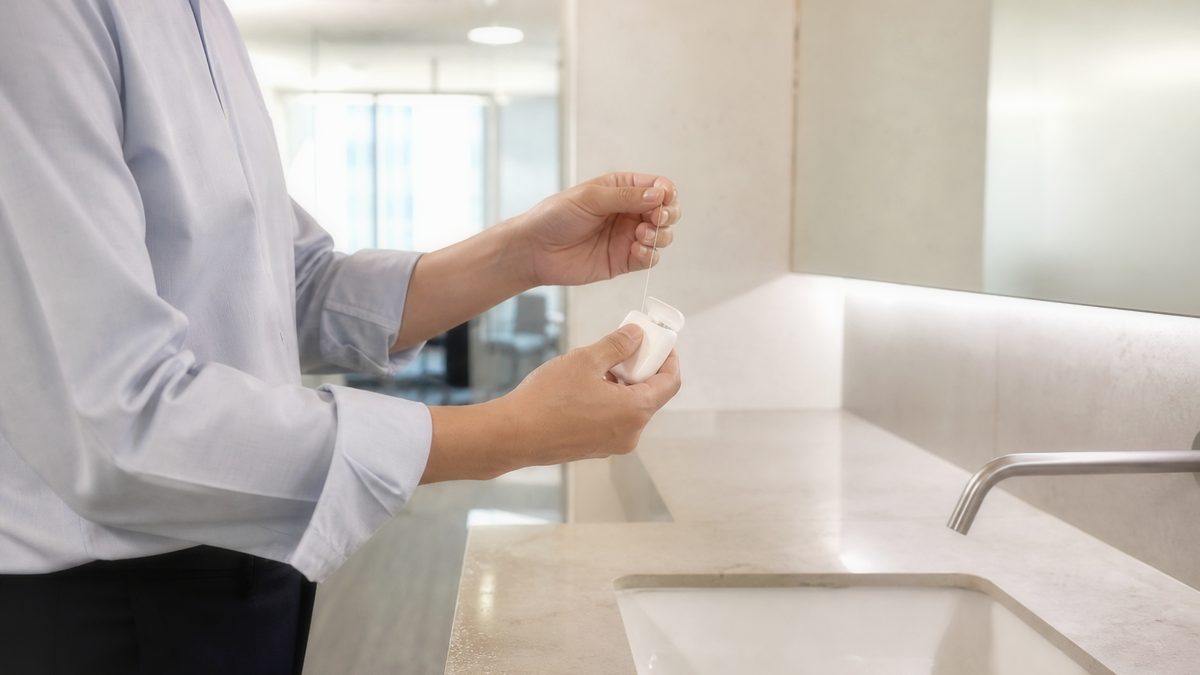
Food Gets Stuck Between My Molars at Every Meal — A Dobongsan Station Dentist's A-to-Z on Food Impaction and Fixing It
Food packing into the same spot at every meal is more than a nuisance — it is a signal something has gone wrong there. Interproximal decay, a loosened restoration contact, gum recession and tooth drift are the main causes, and while you cope with toothpicks, decay and gum disease grow. Telling the causes apart, examination and treatment, costs and insurance.
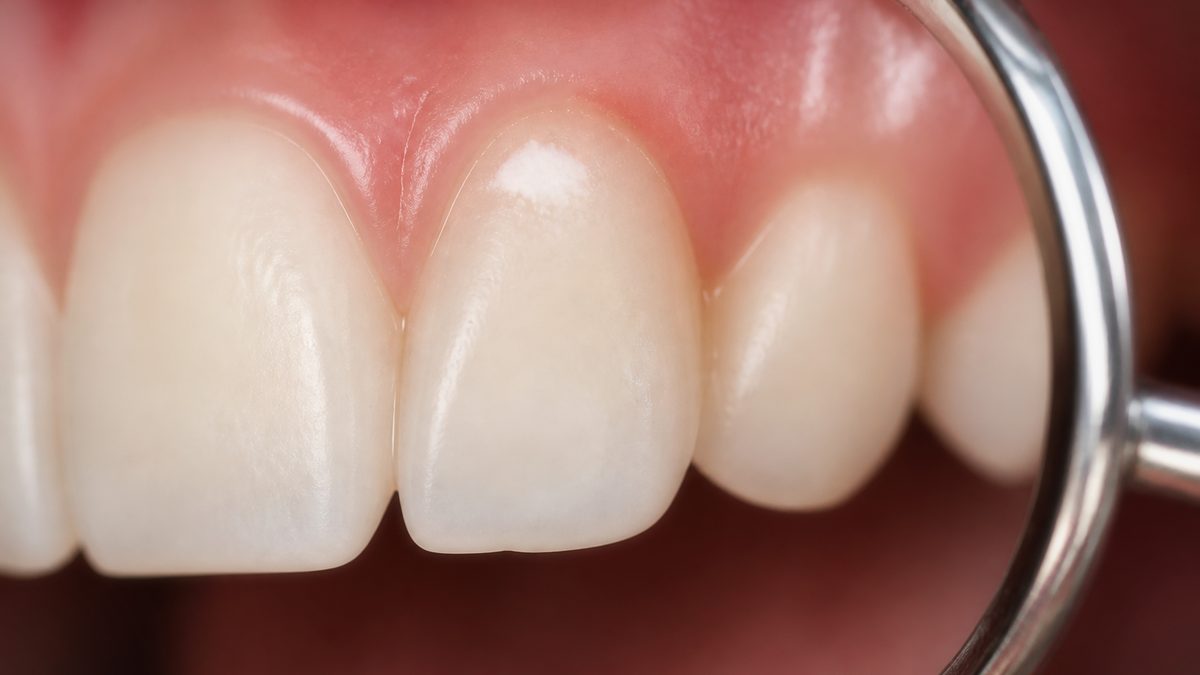
There's a Black Spot on My Tooth — A Dobong Station Dentist's A-to-Z on Telling Decay, Stain and Tartar Apart
A dark spot on a tooth could be decay, coffee or tobacco staining, tartar, or discolouration around an old filling. The eye alone cannot tell them apart — position, texture and progression do. The chalky white spot that signals early decay, how the examination works, treatment and cost by identity, and prevention.
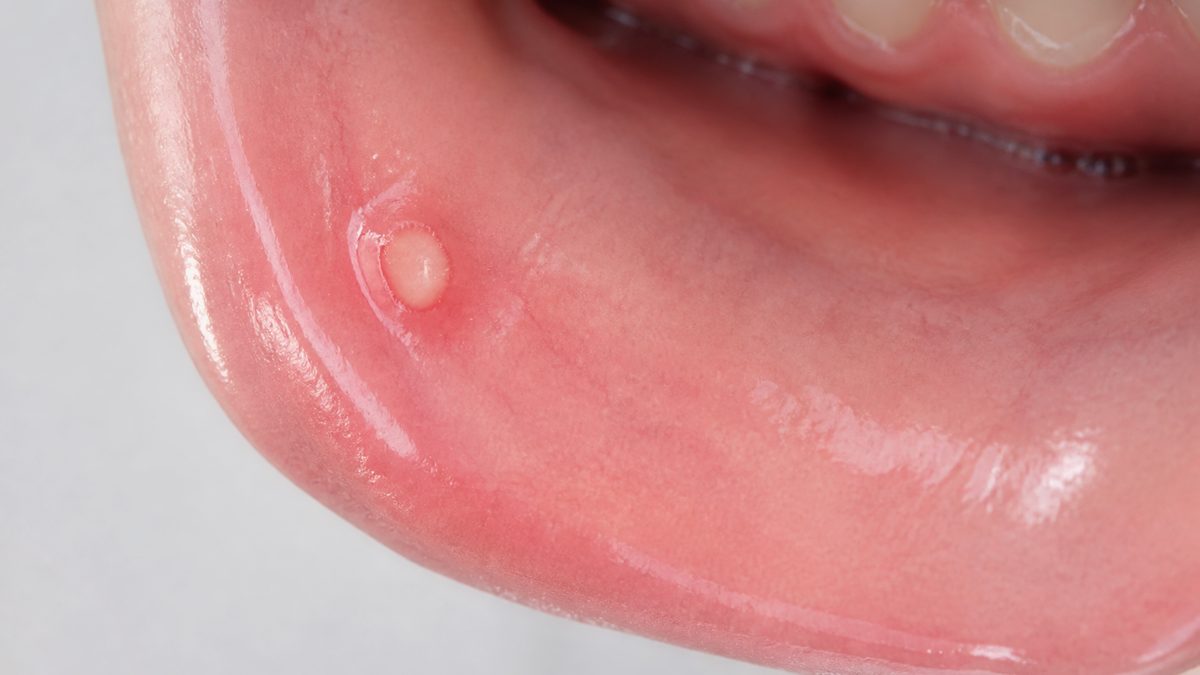
There's Pus Coming From My Gum — A Mangwolsa Station Dentist's A-to-Z on Gum Abscesses and What to Do
A pimple-like bump or pus on the gum means the body has built a drain for an infection inside — and the source is either the tooth's root or the gum pocket itself. Why you must never squeeze it, first aid and danger signs, cause-by-cause treatment with costs and insurance, and how to stop it coming back.

Can Implants Fail? A Banghak Station Dentist's Honest Guide to Why Implants Fail and How to Reduce the Risk
Implant failure is rare but real, and it almost always has a cause. Early failure means the implant never bonded with bone; late failure is mostly peri-implantitis and overload. The conditions that lead to failure, the planning and maintenance that reduce the risk, and what re-implantation looks like — written head-on for everyone who has typed "implant failure" into a search bar.
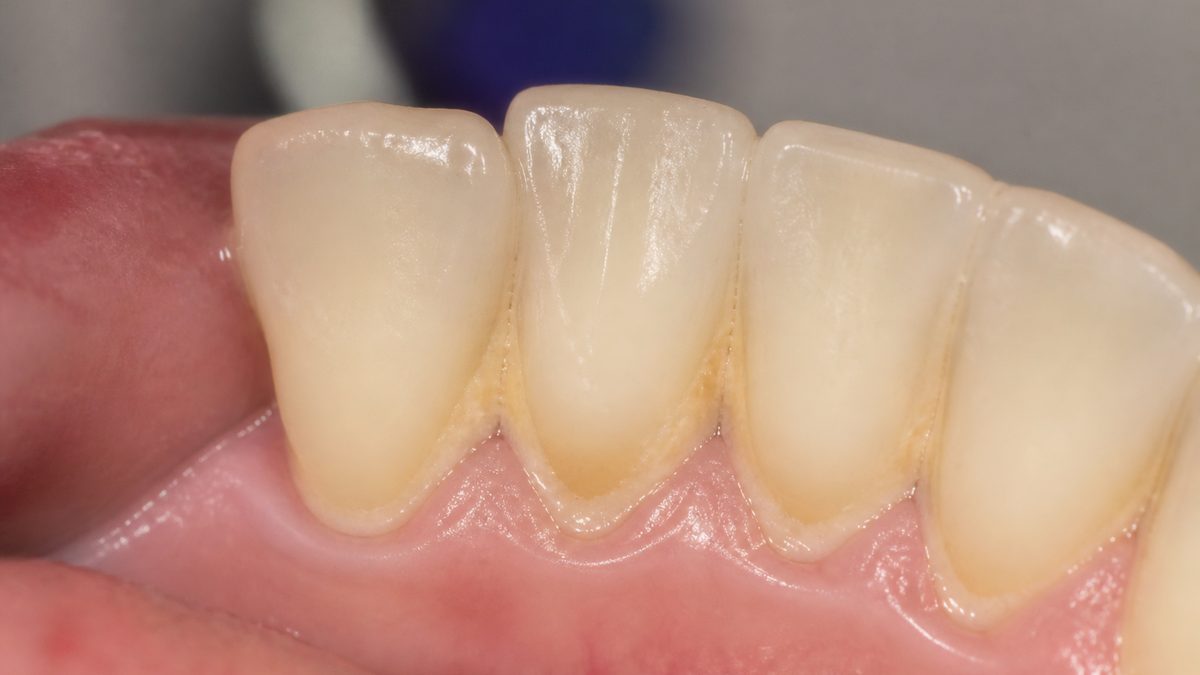
I'm an Adult and My Tooth Is Loose — A Banghak Station Dentist on the Causes of a Wobbly Tooth and the Road to Saving It
A loose tooth in adulthood is not a tooth whose time has come — it is a signal that the bone holding the root is in trouble, and the most common cause is periodontitis. How looseness is graded, how causes are told apart, the conditions under which splinting and gum treatment can save the tooth, costs and insurance, and when extraction actually protects the neighbours.
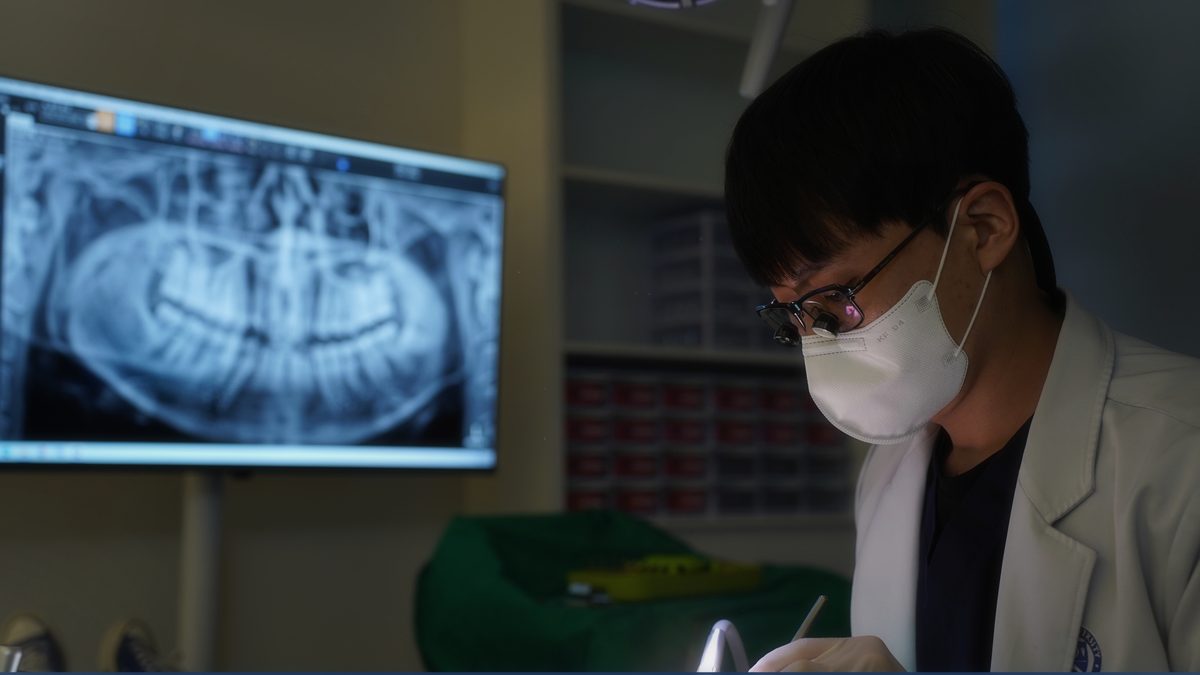
Is Any Dentist Open on Sunday? A Banghak Station Dentist's Complete Guide to Weekend and Holiday Dental Care and the Fee Surcharge
Dental clinics that open on weekends and public holidays do exist — but there are things to confirm in advance and a system worth understanding. A surcharge on the consultation fee for Saturday, night and holiday care is a normal part of national health insurance, and the emergency room and the dental clinic play different roles. How to use a weekend dentist, why the bill differs slightly, and how to prepare before a long holiday.
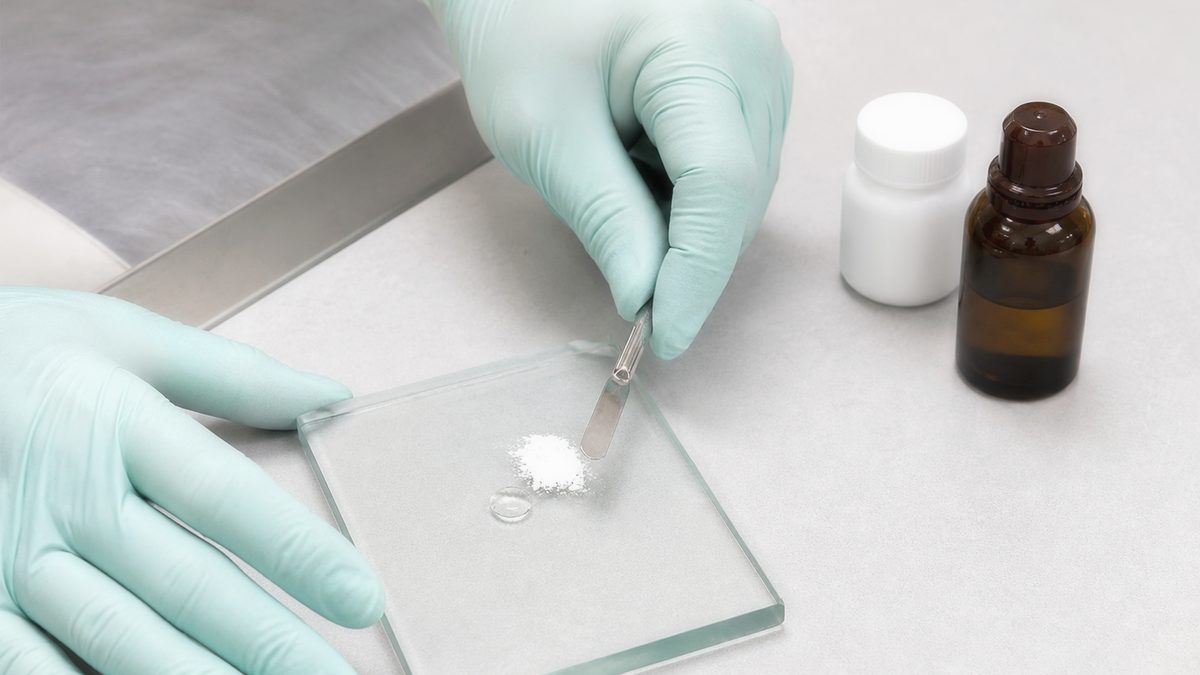
My Temporary Crown Fell Out — Do I Really Have to Wait Until Monday? A Suraksan Station Dentist's Complete Guide
When a temporary crown or a permanent restoration falls out, the first thing to do at home is not to put it back in — it is to store it safely and check a few things. What fell out changes how urgent it is, and whether a fragment of tooth came away with it changes everything. Emergency steps, what never to do, re-cementing costs and insurance, and how to prevent it happening again.
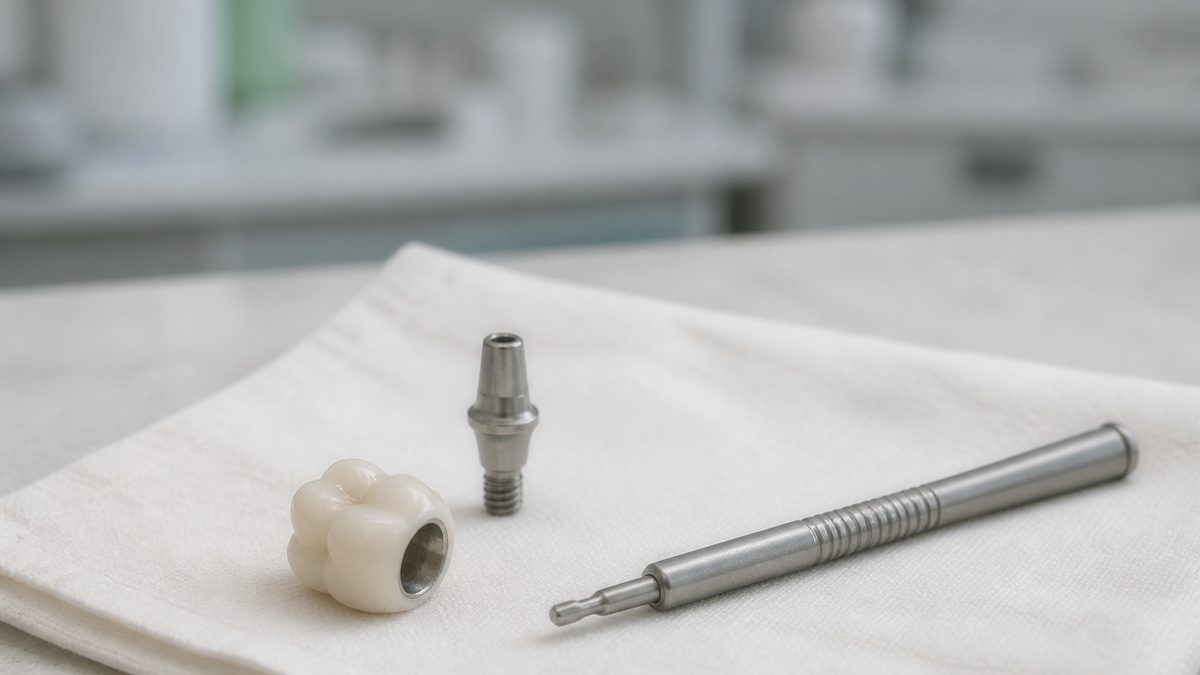
Why Do Implant Prices Differ So Much Between Clinics? A Suraksan Station Dentist Breaks Down the Cost and the Insurance
Implant costs vary between clinics because an implant is not one object but a fixture, an abutment and a crown, combined with diagnosis and surgery. Here is what makes up the price, which factors such as bone grafting add to it, how coverage works for those aged 65 and over, and what to check when you are handed a quote.
Will Gum Pills Alone Cure Gum Disease? — A Jangam Station Dentist on What Gum Medicines and Supplements Can and Cannot Do
Over-the-counter gum medicines and supplements are aids to gum care — they cannot replace tartar removal. The causes of gum disease, bacterial film and calculus, must be physically cleared away. What pills can and cannot help with, the signs that treatment must come first, a cost comparison, and how to combine both sensibly.
I Always Chew on One Side — A Jangam Station Dentist on the Causes of One-Sided Chewing and How to Undo It
Chewing on one side isn't laziness — there is almost always a reason the other side became uncomfortable to use. Left alone, it leads to wear and cracks on the working side, jaw strain, and more tartar on the idle side. How to find the cause, what the examination involves, and how to retrain both sides.
The Gap Between My Front Teeth Seems to Be Widening — A Changdong Dentist on Tooth Gaps and Black Triangles
A front-tooth gap you've had since childhood and a gap newly opening in adulthood mean different things. A new or widening gap can signal gum disease, habits or tooth movement, so finding the cause comes first. How to tell the causes apart, how to choose between resin, veneers and orthodontics, and what costs and maintenance look like.
My Gums Are Receding and My Teeth Look Longer — A Changdong Station Dentist's A-to-Z on Gum Recession
Gum recession is not a disease that swells and hurts but a change that quietly moves downward. Receded gums do not grow back on their own, yet further recession can usually be stopped. How to tell the causes apart, the link with sensitivity, treatment options and costs, and the daily care that matters most.
Just One Tooth Turned Dark — A Dobongsan Station Dentist Explains Non-Vital Tooth Discolouration, A to Z
Several teeth yellowing together and one single tooth turning dark have completely different causes. When only one darkens, something has usually happened inside that tooth, and ordinary whitening will not bring it back. Here is how to tell the causes apart, what internal bleaching and prosthetic options involve, and what costs and aftercare look like.

Several Teeth Need Work — Where Do I Start? A Dobongsan Station Dentist on Sequencing a Treatment Plan
When several teeth need attention, the order follows principles. Stop what hurts and what is spreading, lay the foundation, build the chewing structure, and refine appearance last. How to read a treatment estimate, how to set priorities, and how to spread the cost.
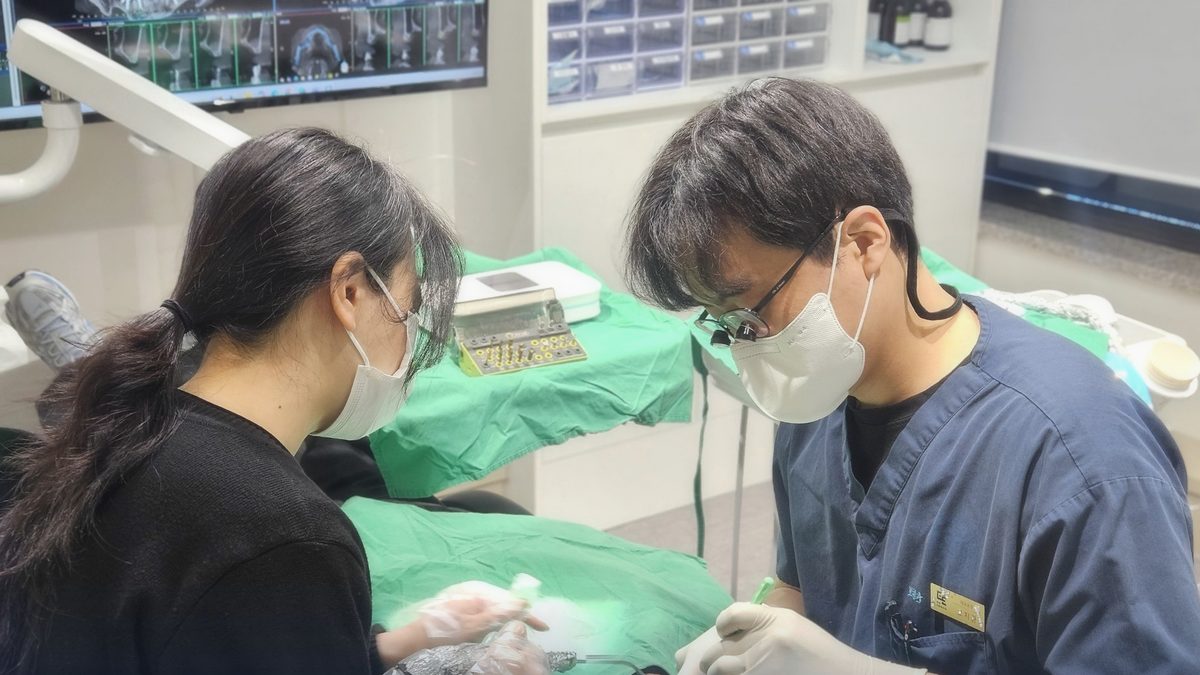
The First Week After Implant Surgery — A Hoeryong Station Dentist's Day-by-Day Recovery Companion
The first week after implant surgery is the most delicate stretch, when bone and titanium begin to bond. From the day of surgery to stitch removal — how to tell normal reactions from warning signs, what to eat, what to avoid, and when to call.
Does an Electric Toothbrush Really Clean Better? — A Hoeryong Station Dentist Helps You Pick the Right Brush
A good toothbrush isn't the expensive one — it's the one that reaches your mouth's corners. The real difference between manual and electric, how to choose bristles and head size, pressure and replacement timing, and what suits each age and situation.
I Take Blood Pressure and Osteoporosis Medication — Can I Still Have Dental Treatment? A Mangwolsa Station Dentist's Guide
Dental treatment meets your regular medication along four routes: bleeding, infection, anaesthesia, and bone healing. What to disclose for each class of drug, why stopping medication on your own is dangerous, the pre-treatment checks, and aftercare following an extraction.
One Molar Missing for Years — Is It Really Fine to Leave It? A Mangwolsa Station Dentist's Guide
When a tooth is lost, it isn't only that space that changes: the neighbouring teeth tilt and the opposing tooth drifts down. What happens over each period of neglect, how the replacement options and costs compare, and what it takes to restore a site left for years.
Worth Doing Before Term Starts — A Changdong Station Dentist's Guide to Sealants and Fluoride for Children
The grooves in a child's molars are narrower than a toothbrush bristle, and most permanent-tooth decay begins there. What sealants and fluoride each protect against, when to have them done, how national health insurance applies, and what to keep up afterwards.
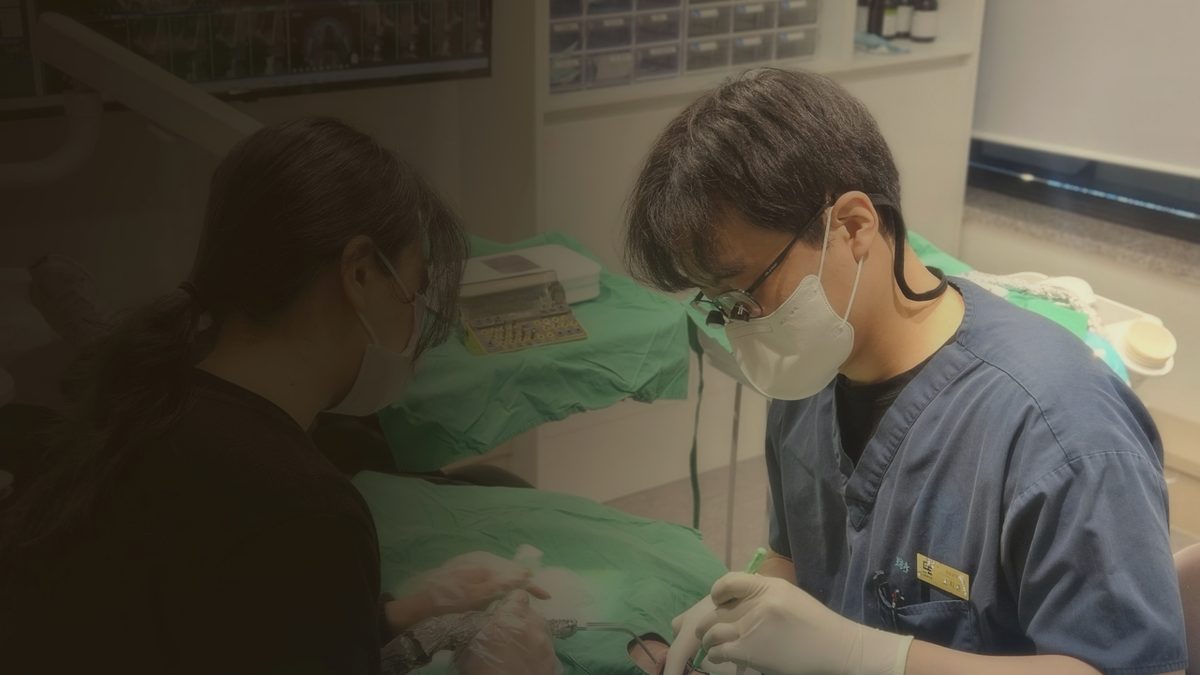
Years After My Implant, That Gum Keeps Swelling — A Changdong Station Dentist's Guide to Peri-implantitis
Implants don't get cavities, but the gum and bone holding them are vulnerable to inflammation. The difference between mucositis confined to the gum and peri-implantitis that eats into bone, early signs and how we examine, treatment stages and costs, and the routine that prevents recurrence.

They Say Brushing Isn't Enough — How Do I Use Floss and Interdental Brushes? A Banghak Station Dentist's Guide
A toothbrush reaches only part of each tooth, and the surfaces where decay and gum disease most often begin are the ones between teeth. The difference between floss and interdental brushes, how to choose what suits your gums, correct technique, and the mistakes people make.

I Stopped Treatment Partway — Can I Still Restart? A Banghak Station Dentist's Complete Guide
A tooth whose treatment was interrupted changes over time, but it's almost never too late to restart. What state your tooth is likely in depending on when you stopped, how restarting works step by step, and what it costs.
Should I Replace That Old Silver Amalgam Filling? A Suraksan Station Dentist's Complete Guide
Old fillings cause trouble not because the material wears out but because the margin where it meets the tooth opens up. If a filling is holding up well you don't need to replace it, and there are specific signs that say otherwise. How to tell them apart, how to choose a material, and what insurance covers.

My Tooth Is Sensitive After a Crown — Is That Normal? A Suraksan Station Dentist's Recovery Timeline
Sensitivity after a crown or inlay is common and usually eases over days to weeks. If it worsens past two weeks, or heat causes pain that lingers, something else needs checking. What's normal and what's a warning sign, stage by stage.
How Long Does Dental Anesthesia Last? A Jangam Station Dentist's Hour-by-Hour Guide
Dental local anesthesia usually lasts about 1-3 hours for infiltration and 3-5 hours for a nerve block, then sensation gradually returns. What to tell your dentist beforehand, why anesthesia sometimes works less well, how to eat and live while your mouth is numb, and how to prevent lip-biting accidents in children.
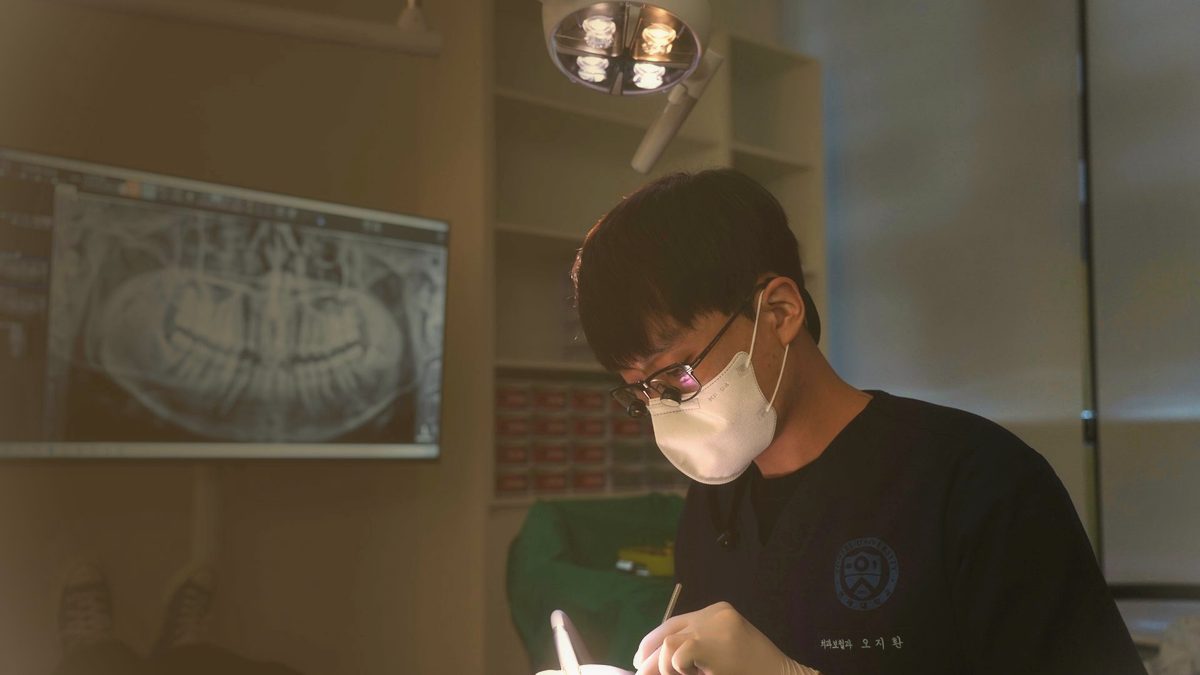
Is It Safe to Have Dental X-rays So Often? A Jangam Station Dentist's Guide to Dental Imaging
Dental X-rays are among the lower-dose medical images, and the type is chosen by what needs to be seen. Which image is taken and why, how it works for pregnant patients and children, whether you can bring films from another clinic, and how far insurance applies.
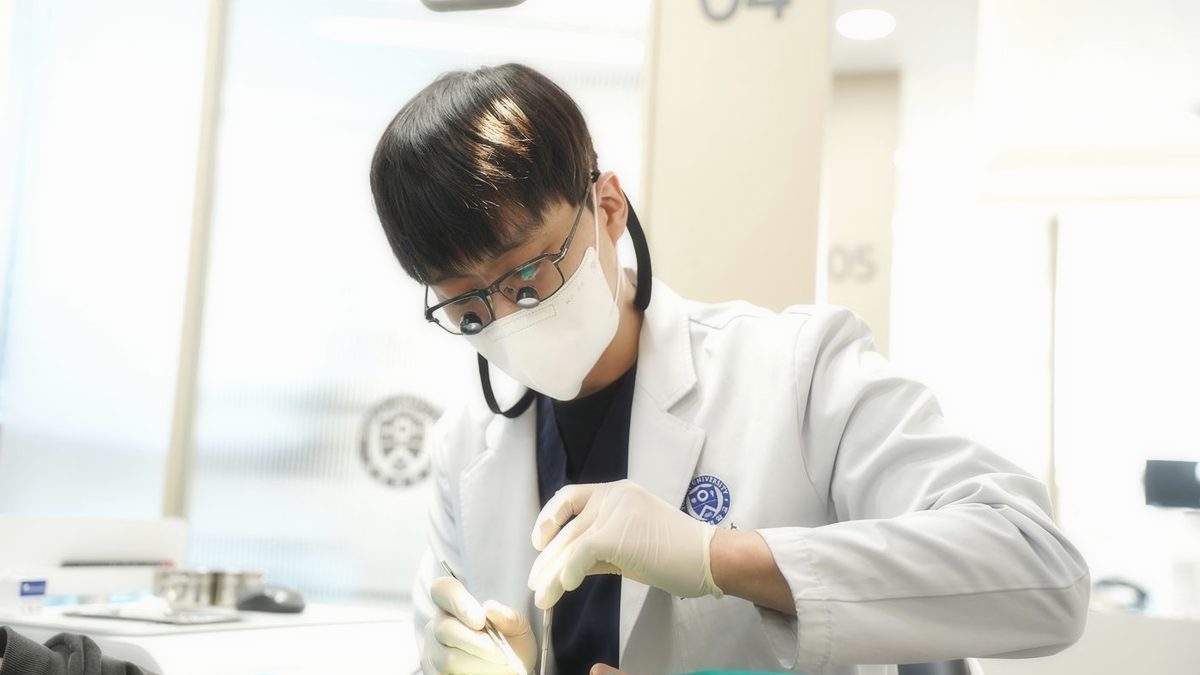
Can I Get an Implant Placed Elsewhere Checked Here? Dobongsan Station Dental Clinic's Complete Guide to Taking Over Implant Care
If a move or a clinic closure has made it hard to keep returning to where your implant was placed, another dental clinic can pick up the care. The director explains which records help, what a check-up actually examines, and how far cost and insurance go.
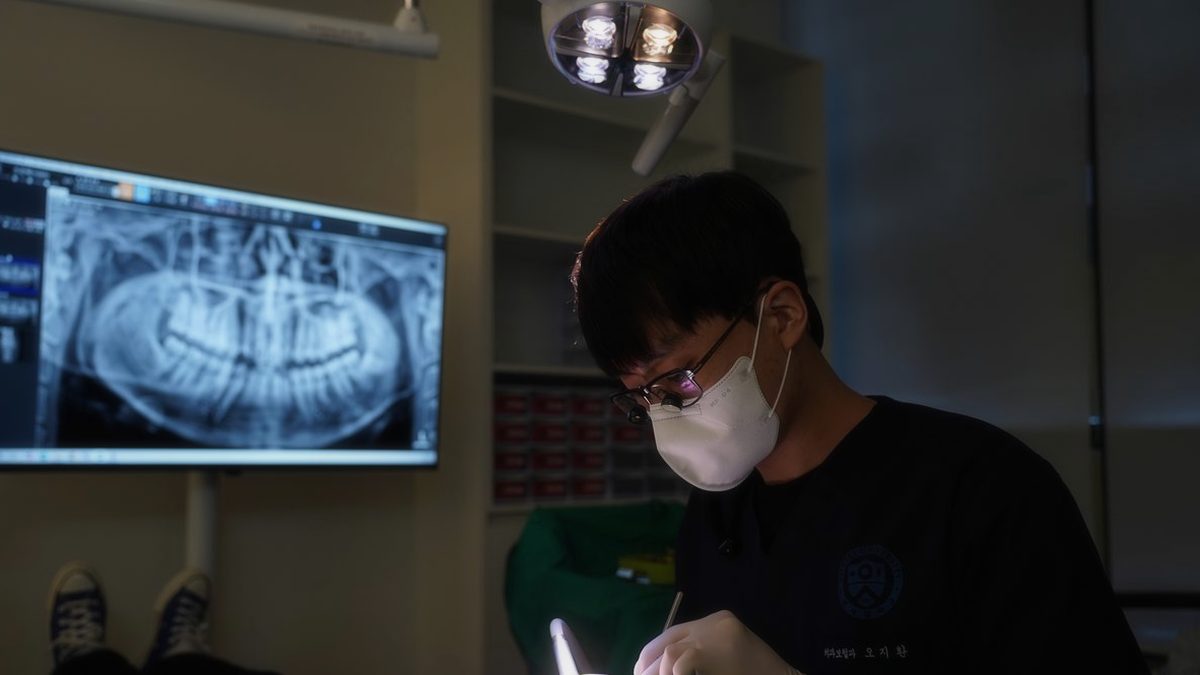
Day 3 After Wisdom Tooth Removal — Is This Pain Normal? Dobongsan Station Dental Clinic's Complete Recovery Timeline
Pain after a wisdom tooth extraction usually peaks around day 2–3 and then gradually eases. If it instead gets worse from day 3 onward, the socket needs to be checked. The director walks through what is normal and what is a warning sign, hour by hour and day by day, from extraction day through week two.
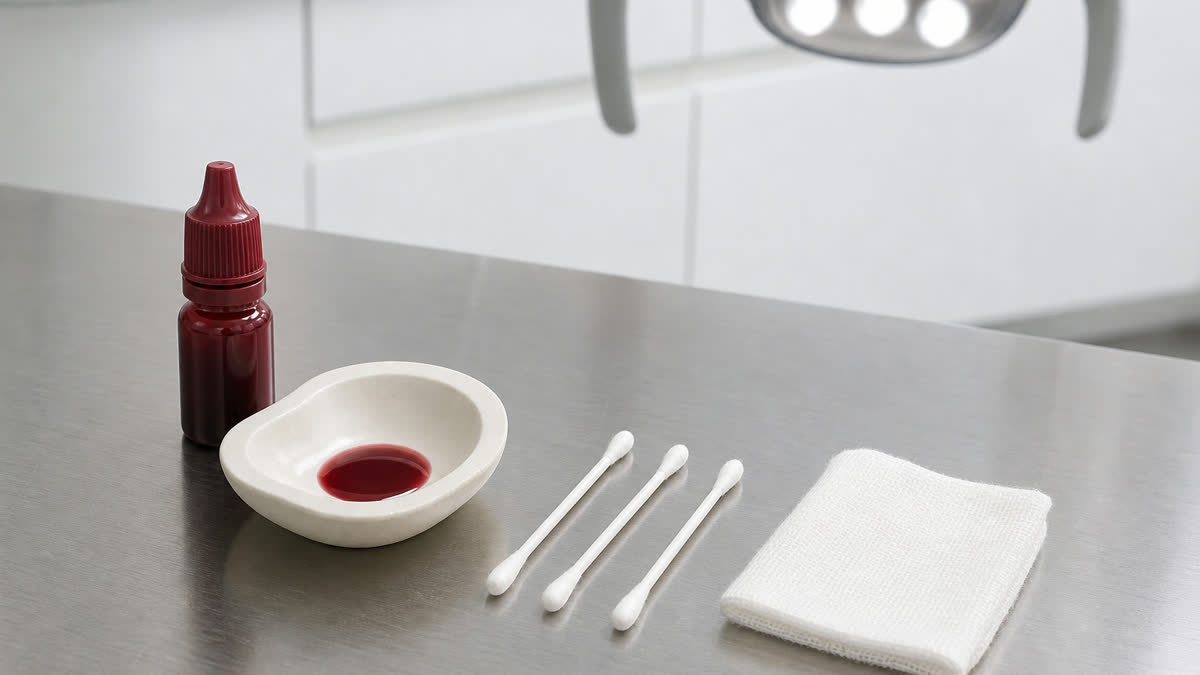
Is Your Child Actually Brushing Well? Changdong Station Dental Clinic's Complete Guide to the Plaque Disclosing Test
If your child brushes every day but keeps getting cavities anyway, it may be worth examining their brushing habits themselves. The director explains what a plaque disclosing test is, how it's done, and how to improve brushing at home afterward.
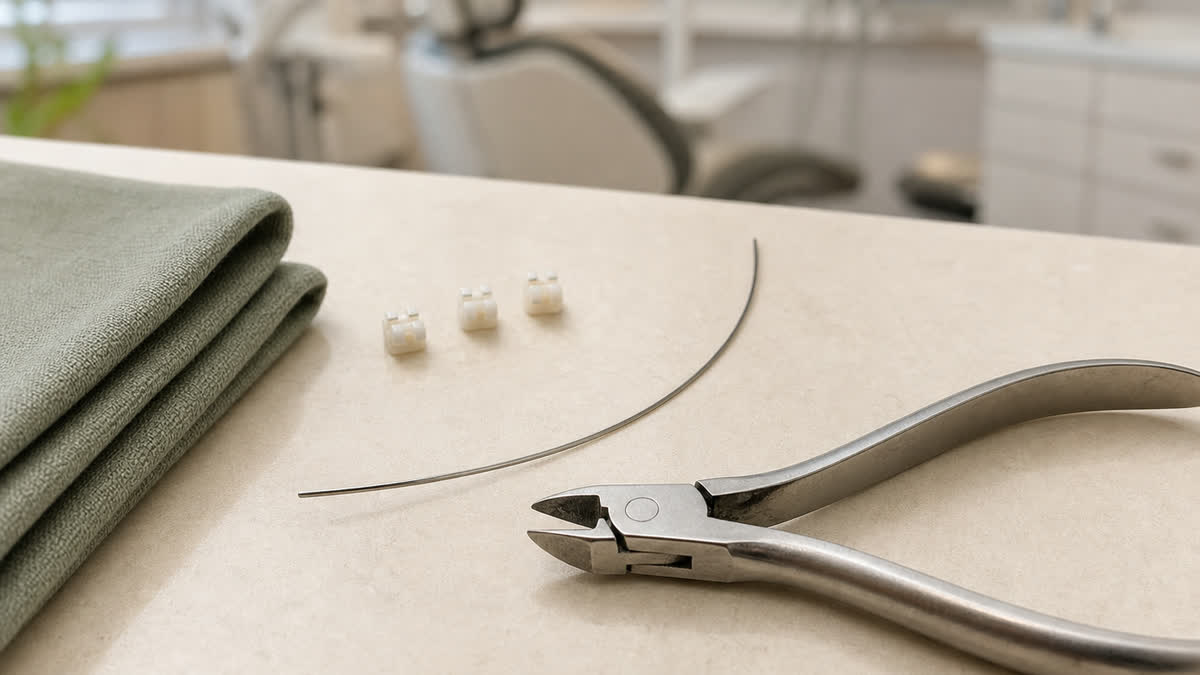
My Teen Is in Braces — Why Do Wire Checkups Matter So Much? Changdong Station Dental Clinic's Complete Guide to Teen Orthodontic Care
It's natural to worry when a teen with braces keeps trying to push back their regular checkup appointment. The director explains why regular wire checkups matter during orthodontic treatment, what can go wrong if they're delayed, and how to care for braces at home.

How Should You Prepare a Dental Visit for a Parent With Limited Mobility? Jangam Station Dental Clinic's Complete Guide to Accessible Care
Patients who use a wheelchair or have limited mobility often delay dental visits until problems become serious. The director explains how to check facilities and access routes in advance, and how the clinic accommodates these visits.

My Child's Front Tooth Is Loose — Jangam Station Dental Clinic's Complete Guide to When Baby Teeth Fall Out
When your child's baby tooth starts to wiggle, it's natural to wonder whether the timing is normal and whether you should just leave it alone. The director explains the normal timeline and order for baby teeth falling out, at-home care, and when a dental checkup is needed.

Jaw Feels Stiff and Sore — Should You See a Dentist? Hoeryong Station Dental Clinic's Complete Guide to TMJ Pain
If your jaw clicks and aches when you yawn or laugh widely, it could be a temporomandibular joint (TMJ) disorder. The director explains the causes of TMJ pain, self-care, and when dental treatment is needed.

My Child's Tooth Got Knocked Out Completely — Hoeryong Station Dental Clinic's Complete Guide to Dental Trauma Emergency Care
A tooth knocked out completely while playing or from a fall is a dental emergency where the outcome can depend heavily on how you respond. The director explains proper storage, the golden window, and how the clinic treats it.

Sour Taste Rising When You Wake Up? Mangwolsa Station Night Dental Clinic's Complete Guide to Acid Reflux and Tooth Damage
Acid reflux that worsens when you lie down at night can be a hidden cause of erosion that dissolves the tooth surface directly. Here's why reflux damages teeth, how the clinic checks for it, and nighttime care habits — explained by the director.
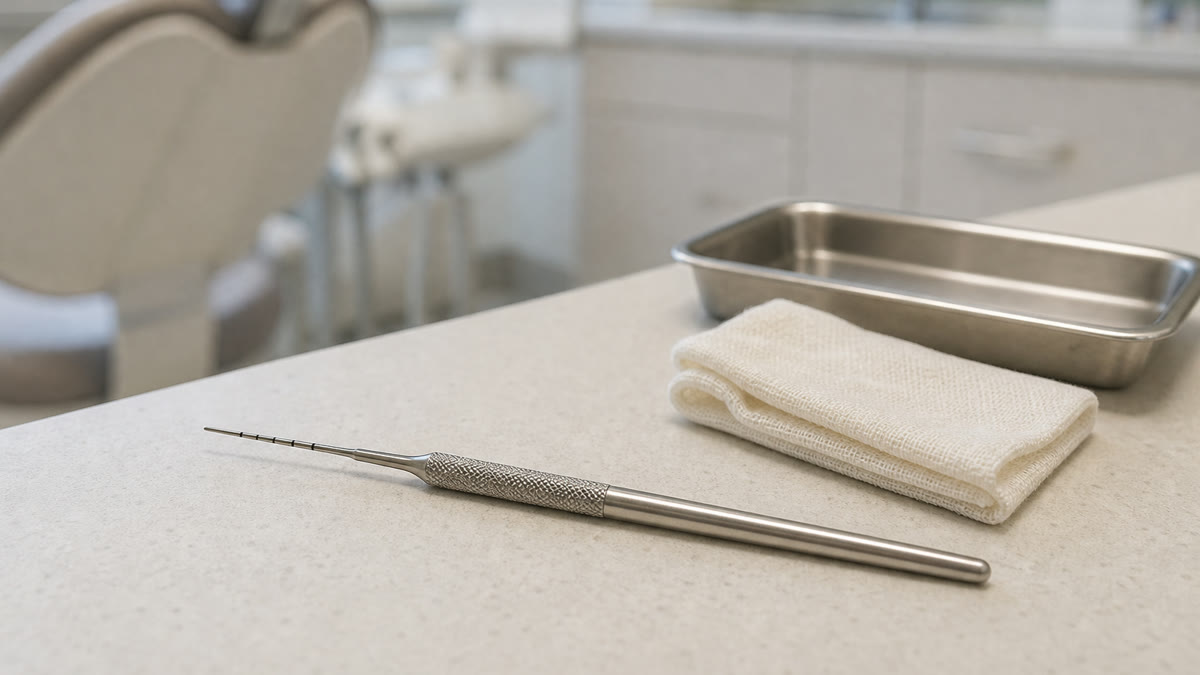
Gums Have Been Bleeding for Years — Is That Okay? Mangwolsa Station Night Dental Clinic's Complete Guide to Periodontal Pocket Exams and Gum Disease Stages
Leaving gum bleeding unaddressed for a long time can let periodontal pockets deepen as gum disease progresses. Here's what a periodontal pocket exam is, how gum disease progresses in stages, and treatment by severity — explained by the director.
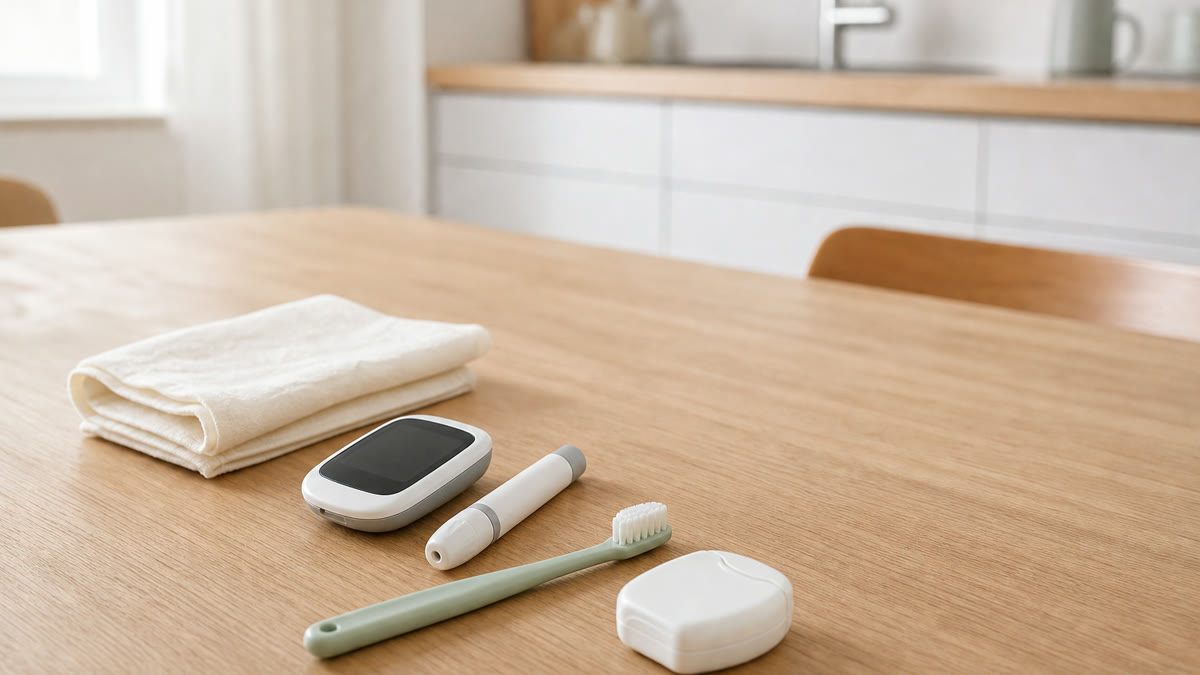
Does Diabetes Make Gum Disease Worse? Changdong Station Dental Clinic's Complete Diabetes-Gum Care Guide
Diabetes and gum disease are known to affect each other. Here's why diabetic patients are more vulnerable to gum disease, and how to manage blood sugar and gum health together — explained by the director.

Does Your Child Say Their Tooth Hurts Every Night During Exam Season? Changdong Station Dental Clinic's Complete Guide to Student Oral Care
Exam season raises the risk of cavities and gum disease due to late-night snacking, sugary drinks, and irregular sleep. Here's why oral problems increase during this period, and how to protect exam-day focus — explained by the director.

Teeth Sting After Soda? A Complete Guide to Acid Erosion, From Banghak Station Dental Clinic
Acidic drinks like soda, fruit juice, and wine can dissolve the tooth surface directly, without any cavity-causing bacteria involved. Here's how tooth erosion differs from cavities, and how to prevent and manage it — explained by the director.

Why Check Medications and Blood Pressure Before Dental Treatment? A Safe-Care Guide From Banghak Station Dental Clinic
Dental treatment isn't separate from your overall health, so checking your medications and blood pressure beforehand is the starting point for safe care. Here's why this matters, which medications matter most, and what to bring — explained by the director.

Heart Racing and Sweaty Palms Just From Thinking About the Dentist? A Complete Guide to Overcoming Dental Anxiety
Dental anxiety isn't something to be embarrassed about — it's common, and it can be managed together with your dentist. Here's why it happens, how the clinic helps, and self-help techniques you can use — explained by the director.

In Your 40s or 50s and Your Gums Just Aren't What They Used to Be? A Complete Guide to Midlife Oral Health Changes
In midlife, gum recession, hormonal changes, and aging restorations all overlap, noticeably changing your oral environment. Here's why these changes happen and what to watch for — explained by the director.

When Should Your Child's First Dental Visit Be? A Complete First-Visit Guide
A child's first dental visit is best timed around when their teeth first start coming in. Here's when to bring them in, what happens at the first visit, and how to help them feel less afraid — explained by the director.

Wake Up With a Bone-Dry Mouth? Could It Be Dry Mouth Syndrome — Causes to Care
Dry mouth is more than just an uncomfortable symptom — it's a cause behind more cavities, gum disease, and bad breath. Here's why saliva decreases, how to care for it at home, and how the clinic helps — explained by the director.

Mouth Sores Making It Hard to Eat? A Complete Guide to Mouth Ulcer Causes and Care
Most mouth ulcers heal on their own, but if one lasts more than two weeks or keeps recurring, it's worth checking for another cause. Here's why mouth ulcers happen, how to care for them at home, and the signs that mean you should see a dentist — explained by the director.
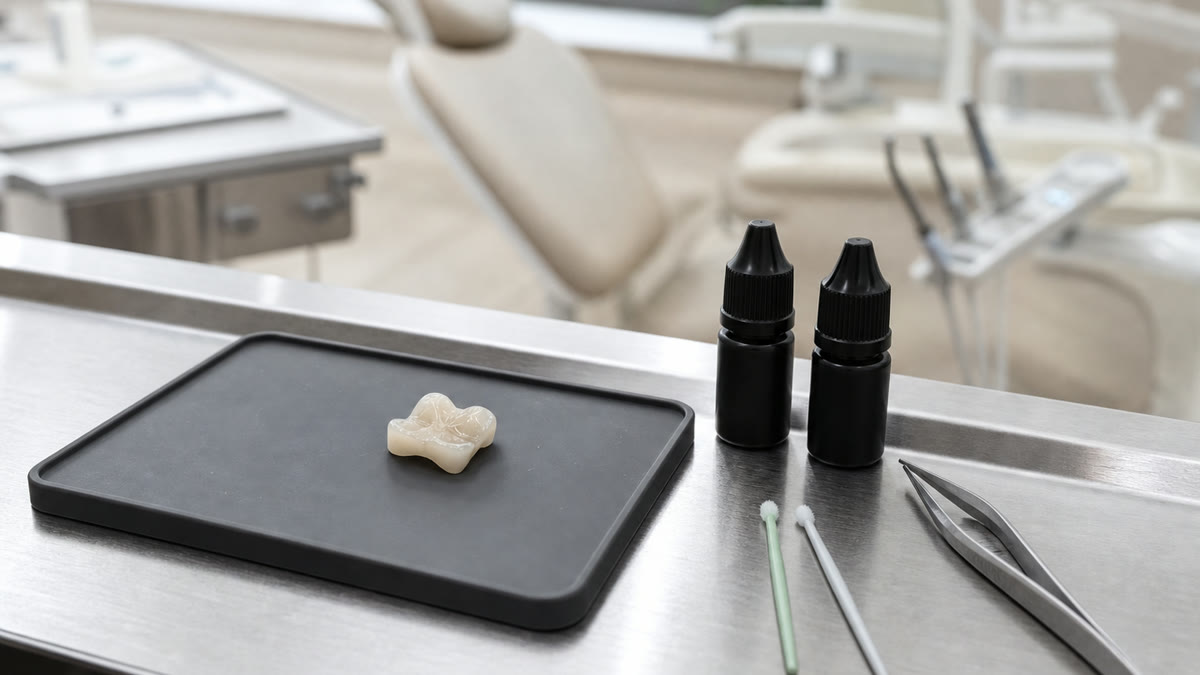
Cavity Treatment — Resin Filling or Ceramic Inlay? A Material-by-Material Comparison
Whether a resin filling or a ceramic inlay is the better choice depends on the cavity's size and location. Here's how the two materials differ, what the process looks like, the cost, and how to make either one last — explained by the director.
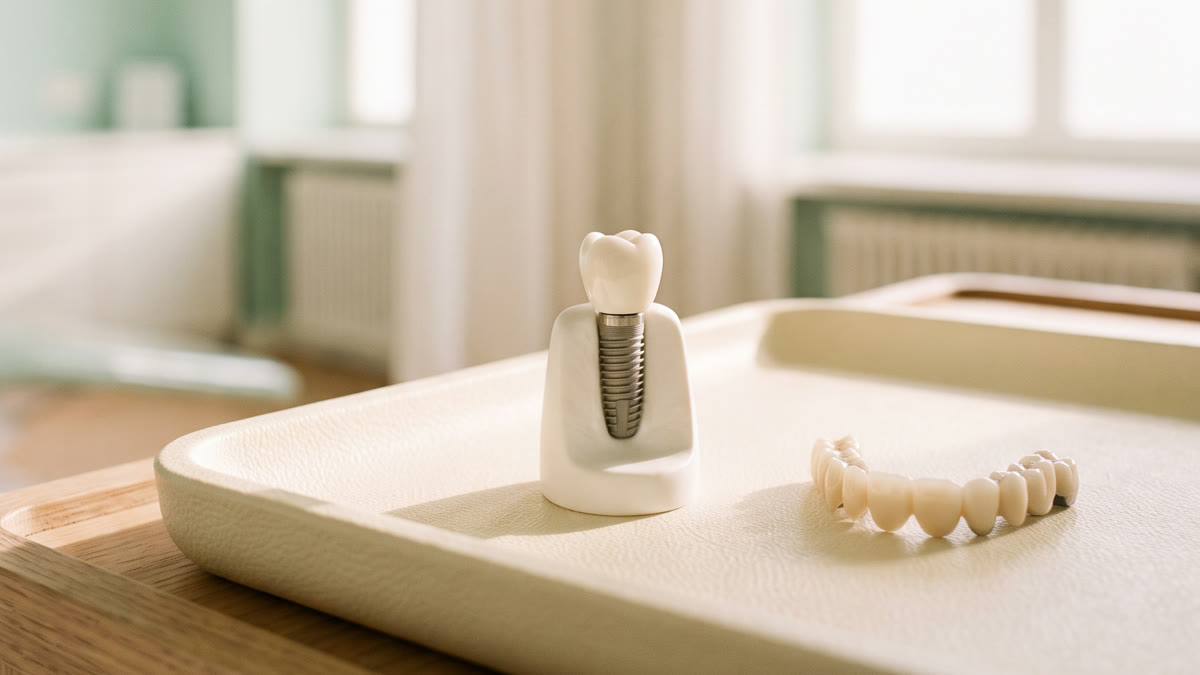
Lost a Tooth? Is an Implant Always the Right Answer? Implant vs. Bridge Comparison Guide
When you lose a tooth, implants and bridges each have clear strengths and weaknesses, so the better option depends on your situation. Here's how the two differ, the process, cost, and how to care for each — explained by the director.

Coffee- and Wine-Stained Teeth — Will Whitening Really Make Them White? A Complete Guide
Tooth discoloration has two different causes — surface stains and intrinsic discoloration — and the right whitening method depends on which one you have. Here's what causes staining, how in-office and take-home whitening compare, the cost, and how to keep results longer, explained by the director.
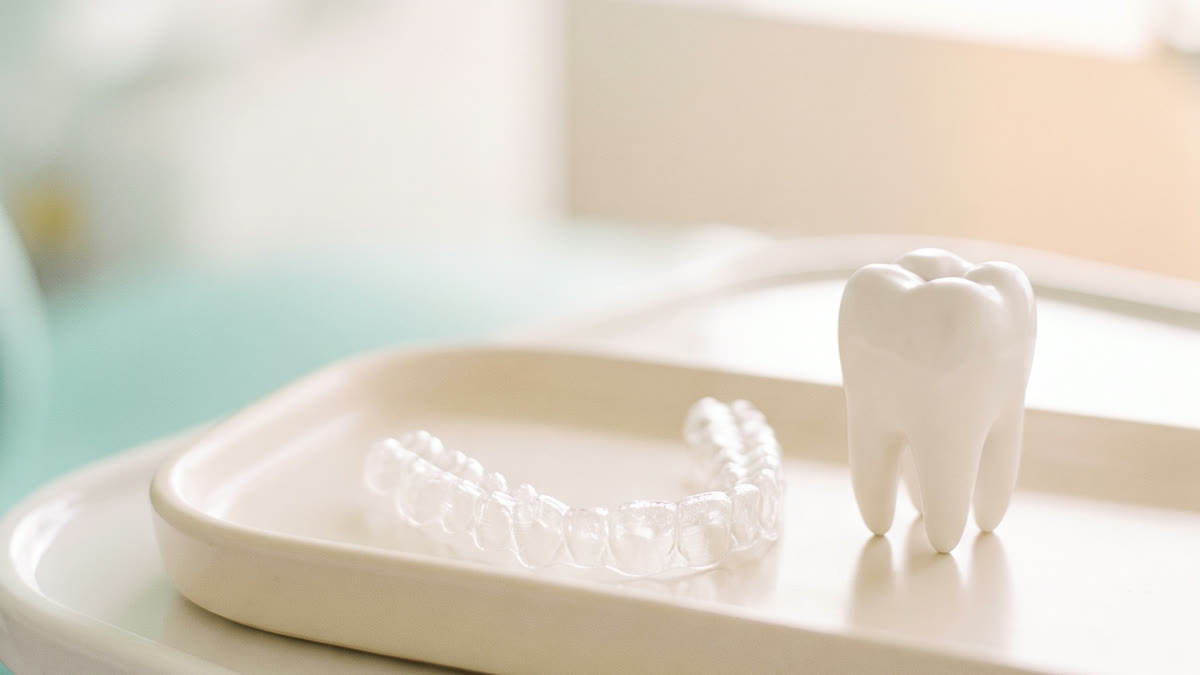
Is It Too Late to Start Adult Orthodontics? Clear Aligners vs. Metal Braces A to Z
For adult orthodontics, gum and bone health matter far more than age. Here's how clear aligners compare with metal braces, what the process looks like, the cost range, and how to care for your teeth — explained by the director.
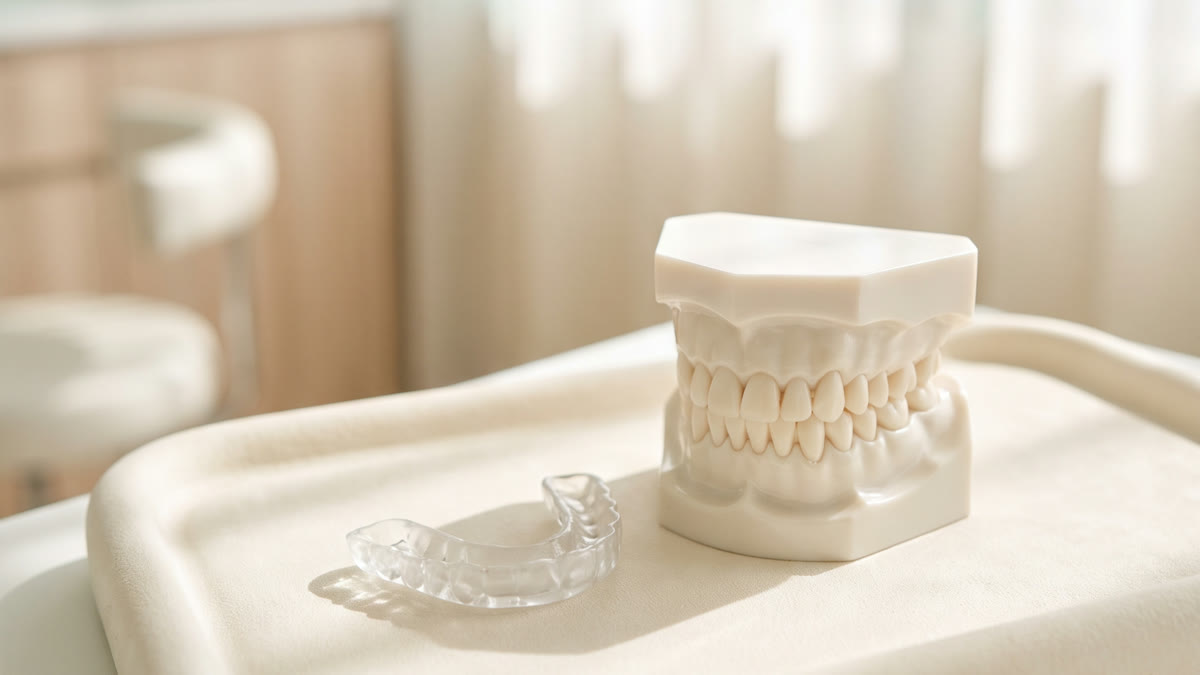
Someone Told You That You Grind Your Teeth at Night? Bruxism Causes to Night Guards
Bruxism often goes unnoticed by the person doing it, but it can lead to worn teeth, jaw pain, and headaches. Here's why teeth grinding happens, what it does if left untreated, and how night guards and daily care help — explained by the director.

Broken or knocked-out tooth — how fast do you need to act? A dental trauma emergency guide
When a tooth is broken or knocked out completely, what you do in the first few hours can determine whether the tooth can be saved. How to store a knocked-out tooth (milk or saline), what to do with broken fragments, and the signs that call for night or weekend emergency care.
Where do I start with my parents' dental health? A guide to oral care in later life
With age, the oral environment itself changes — receding gums, reduced saliva, root cavities — so the care routine that worked when younger is no longer enough. Common problems in later life and how to manage them, habits that protect remaining teeth, and health insurance benefits for ages 65+.
My tooth has a crack — can I just leave it? A stage-by-stage guide
A cracked tooth often causes almost no symptoms at first, so it's easy to ignore — but left untreated, it can progress to sharp pain and nerve damage. Here's how treatment differs by stage, from watchful waiting to bonding, crowns, and root canal treatment.
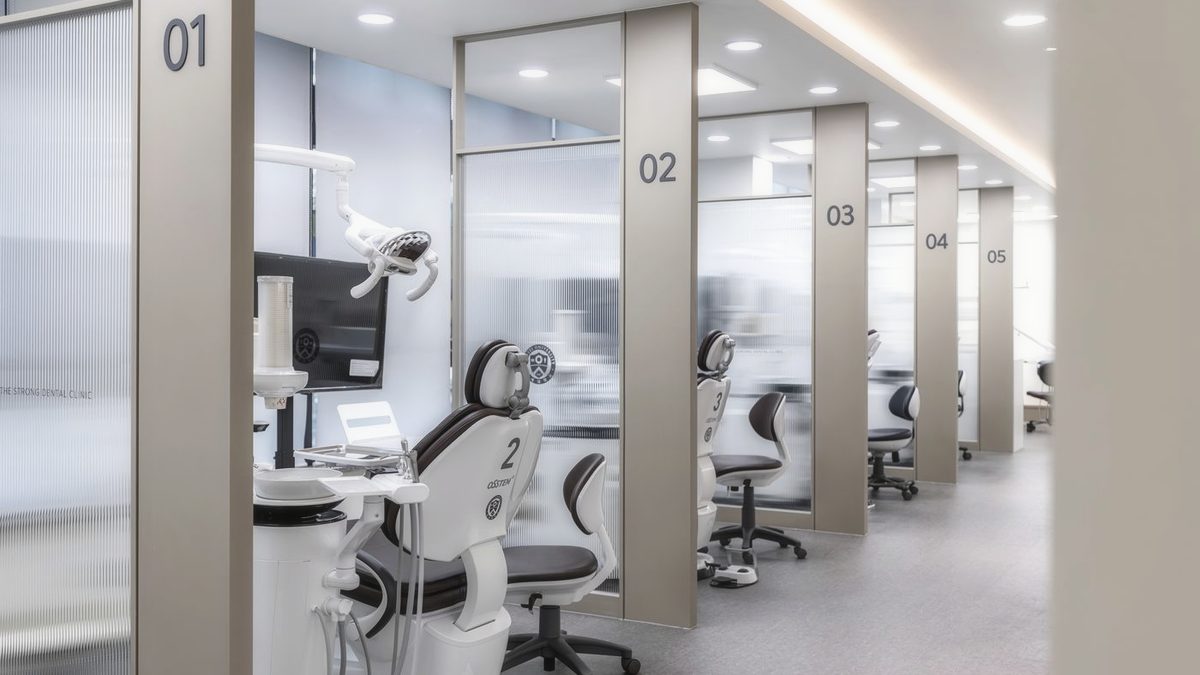
Dental insurance vs. national health insurance — what's the difference? What to check before signing up
National health insurance covers some dental procedures like cleanings and root canal treatment, but coverage for implants and crowns is limited. Here's how private dental insurance fills that gap, and what to check before you sign up.

How long do dental implants last? A complete guide to the care that determines their lifespan
An implant's lifespan isn't a fixed number — it depends heavily on how well it's maintained after placement. Here's why peri-implantitis develops, how implant care differs from natural teeth, and the checkup schedule and daily routine that protect your investment.
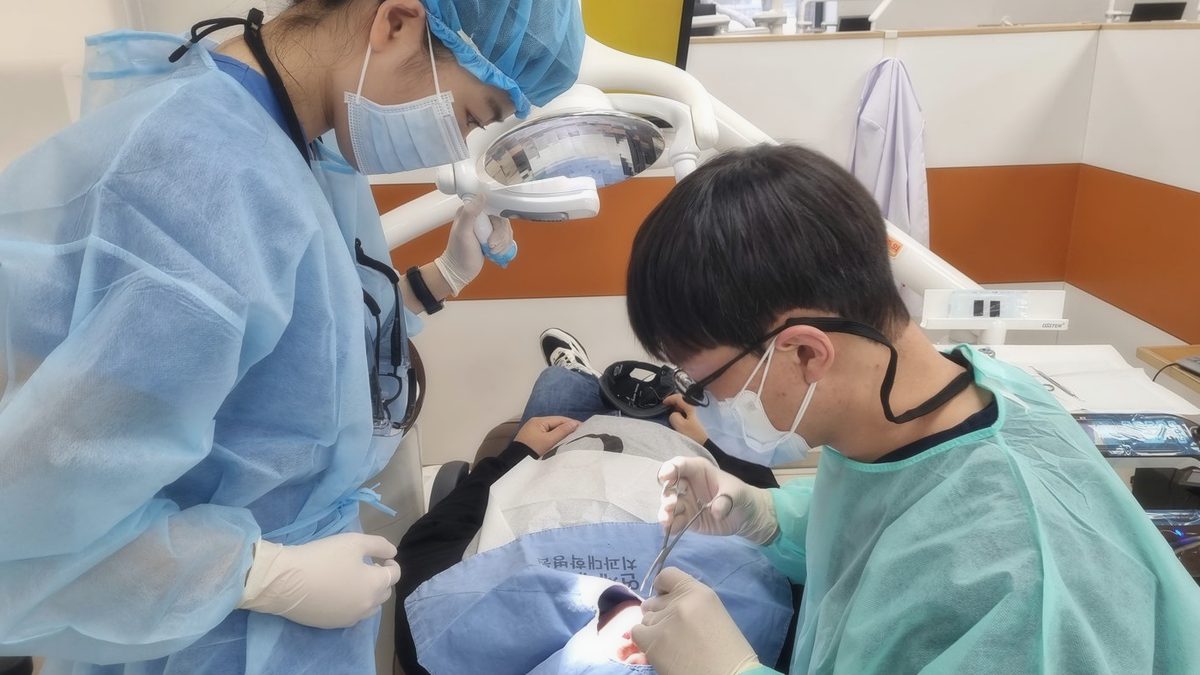
How to make dentures last and stay comfortable — from cleaning to handling pain
Dentures aren't a "wear and forget" restoration — daily cleaning and care determine how comfortable they stay. Here's how denture types differ, how to clean them, what to do about pain, and cost.
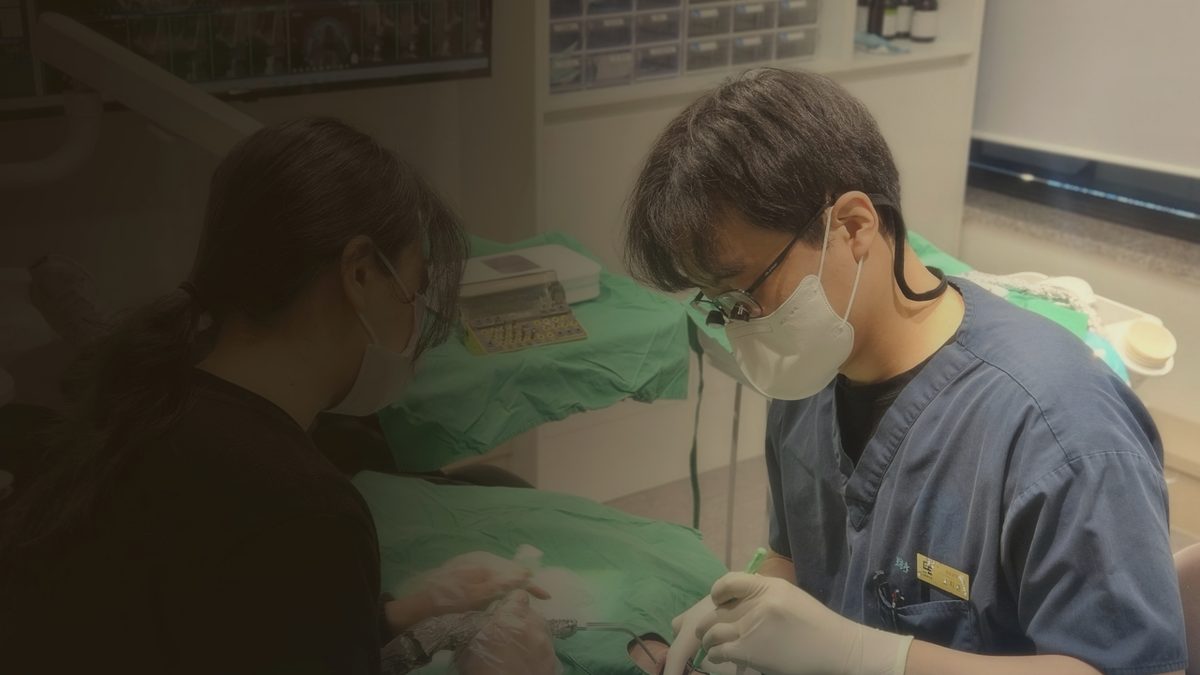
Dental care during pregnancy — should you put it off? A trimester-by-trimester safety guide
Necessary dental treatment is generally not something to delay during pregnancy. Here's what's appropriate at each stage of pregnancy, whether X-rays and anesthesia are safe, and how to manage morning sickness and gum changes.
What actually causes bad breath — and what to do when brushing isn't enough
Bad breath usually starts inside the mouth — plaque, gum disease, or a coated tongue. Here's what really causes persistent bad breath, how to self-check, how to manage it, and when to see a clinic.
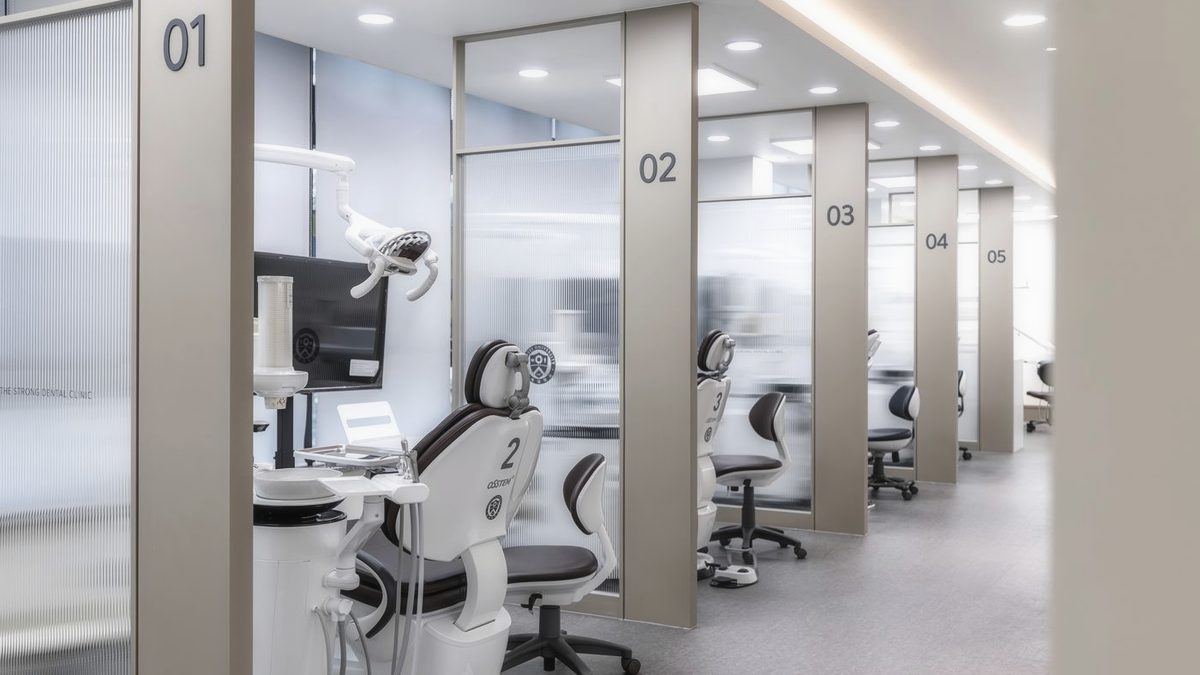
Zirconia crowns explained — when you need one, the process, cost, and aftercare
Zirconia is a crown material chosen for its balance of strength and esthetics. Here's when a crown is needed, how zirconia differs from other materials, the fabrication process, cost ranges, and how to make it last.
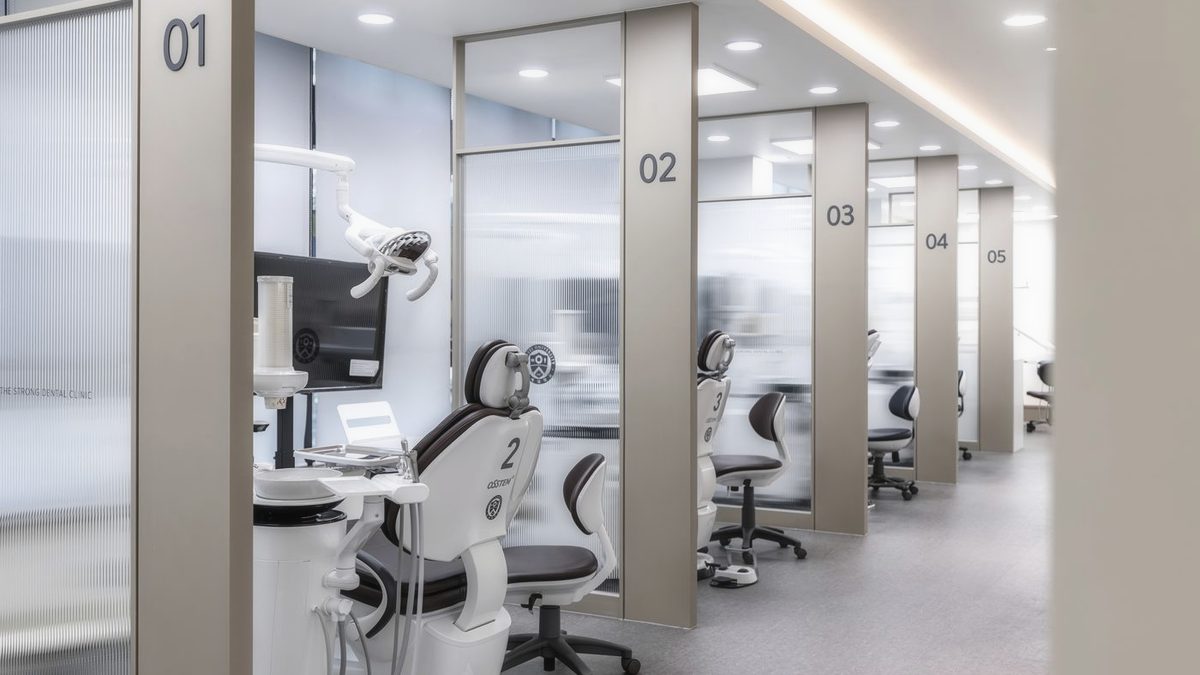
Your child's first cavity — timing, treatment, and prevention all in one place
Left untreated, cavities in baby teeth can affect the permanent teeth underneath. Here are the early signs parents often miss, treatment options, and a prevention routine, all in one guide.
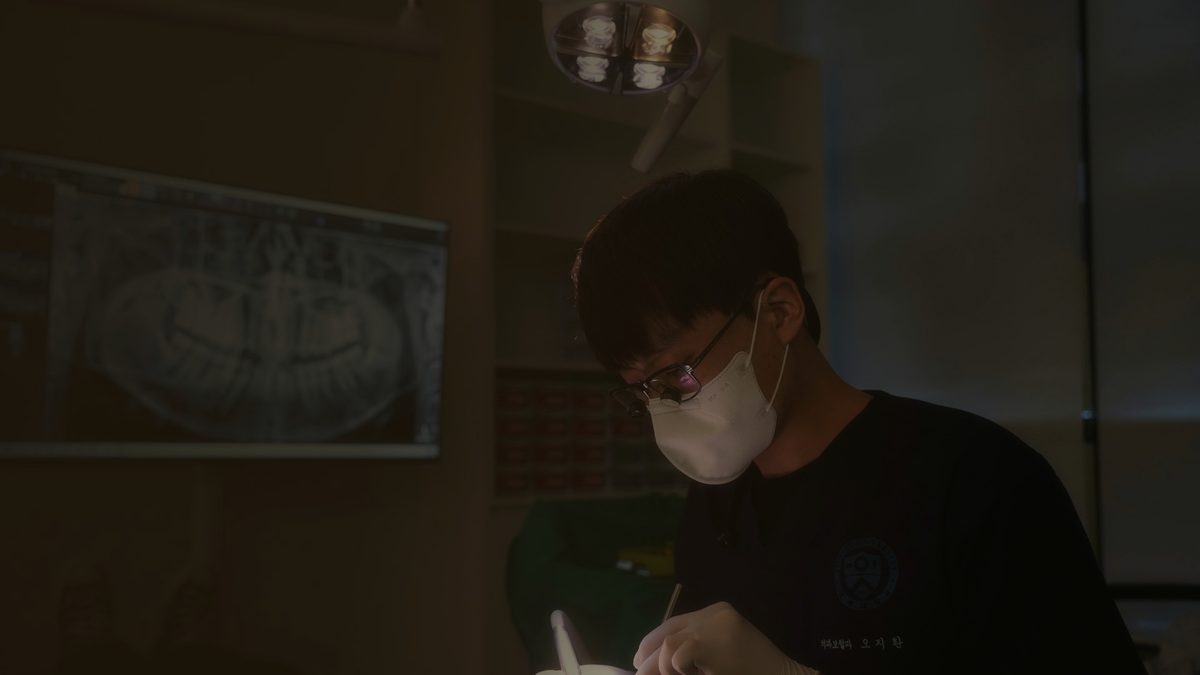
Root canal treatment — process, cost, and insurance, from start to finish
Root canal treatment removes an already-inflamed nerve to relieve pain. Here is the full process, how many visits it takes, what national health insurance covers, and how to care for the tooth afterward.

Gums bleeding when you brush — is it okay to just leave it?
Bleeding while brushing is usually an early sign of gum inflammation. Here's how to tell when it's fine to watch and when it needs a checkup.
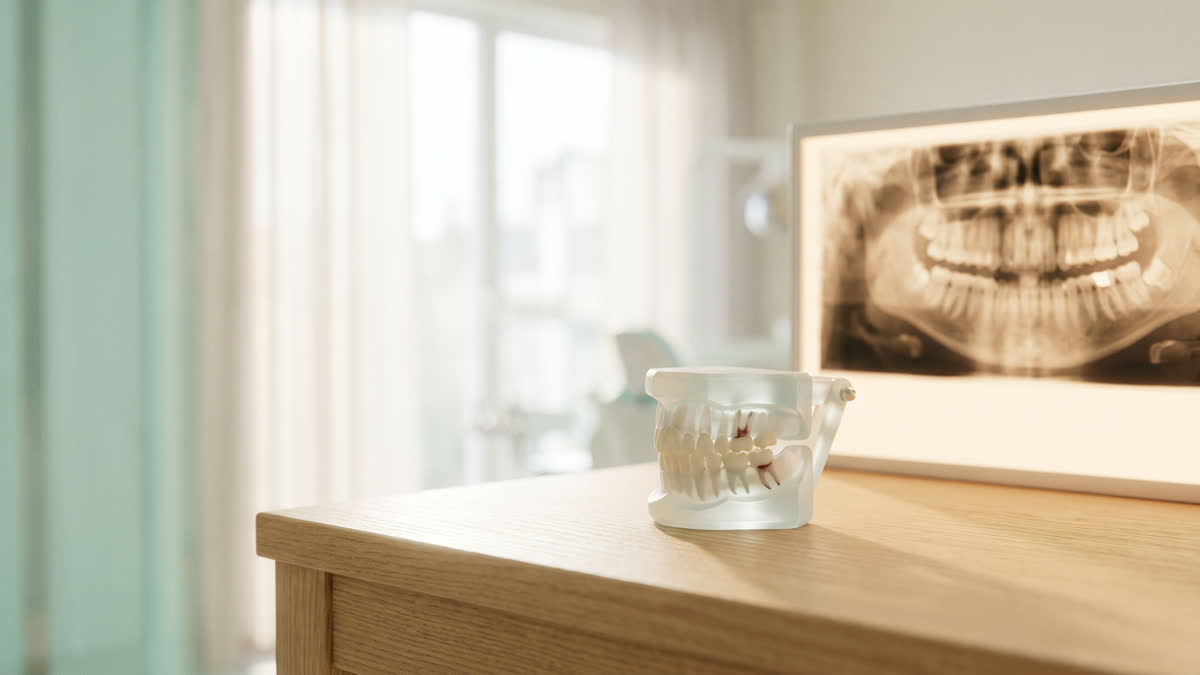
Do wisdom teeth always need to come out? Timing and how to decide
Not every wisdom tooth needs to be removed. Here is how direction and gum condition determine whether to keep it or act soon.

Sudden toothache at night — what should you do?
Three ways to ease a nighttime toothache at home, and the warning signs that mean you should see a dentist. We are open weekdays until 9 PM, 365 days a year.

Teeth sensitive to cold water — should you see a dentist right away?
Common causes of tooth sensitivity, when it's safe to wait, and the warning signs that need an examination — explained by our director.
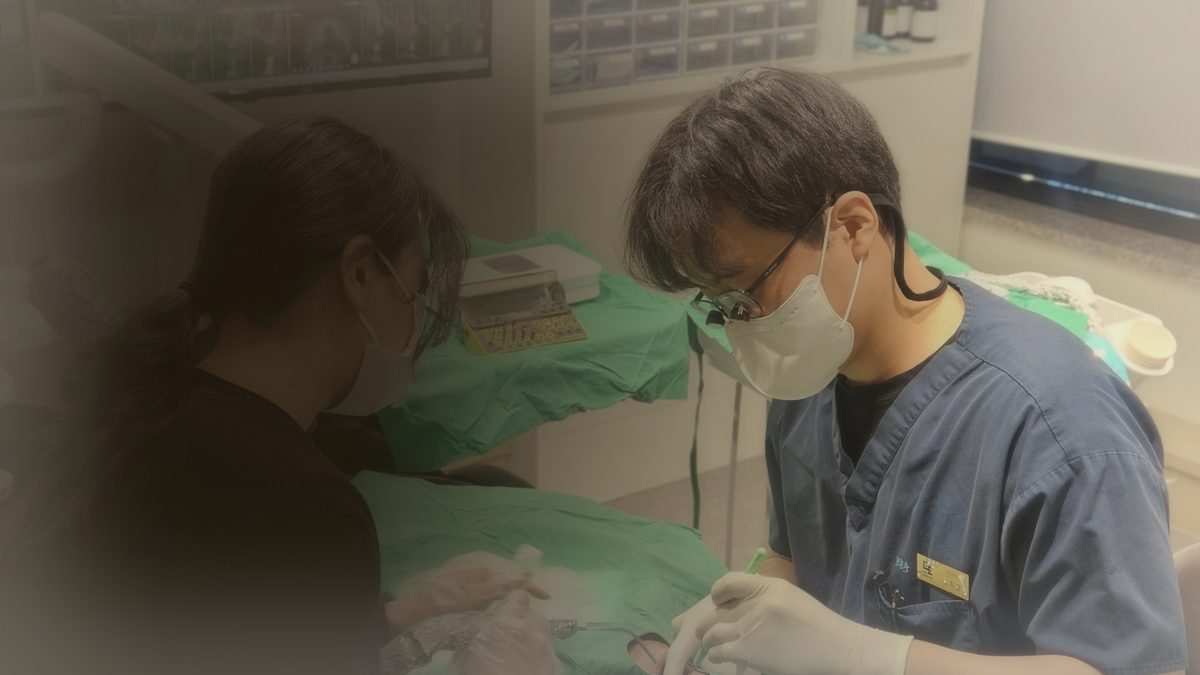
The three questions I hear most in implant consultations
Does it hurt, how long does it take, and can I get one? A board-certified prosthodontist answers the three most common implant questions.
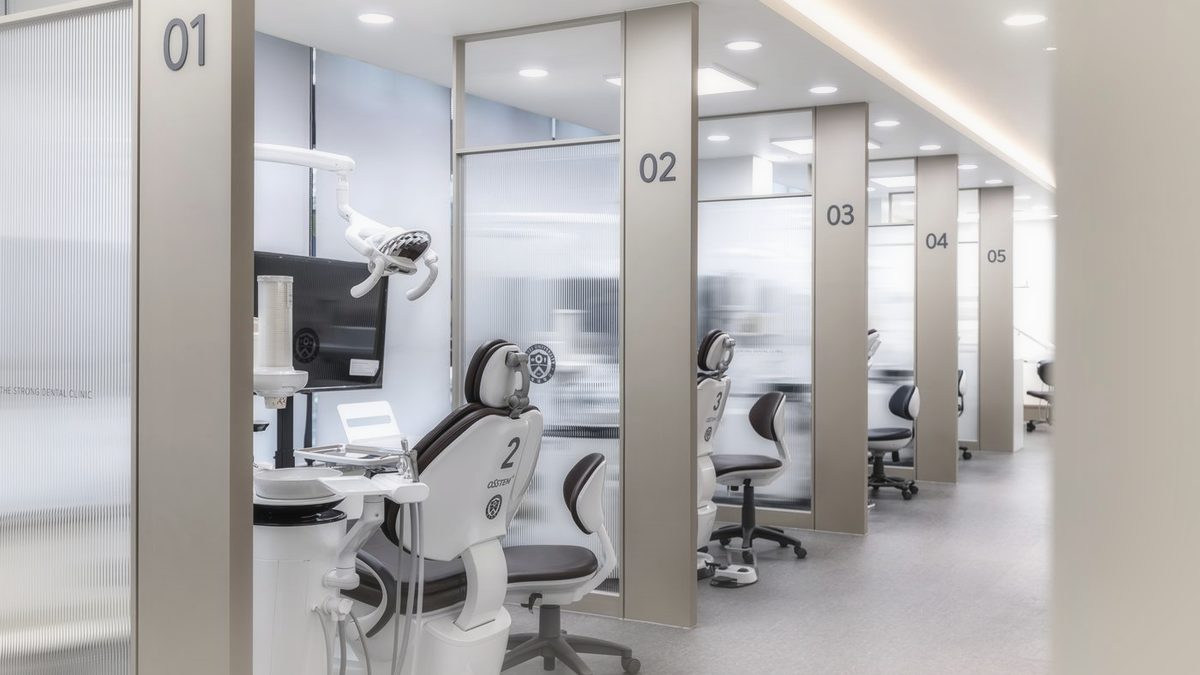
Did you know Korean health insurance covers scaling once a year?
If you are 19 or older, NHIS covers one dental scaling per year. Our director explains what scaling actually does and when to get it.