There's Pus Coming From My Gum — A Mangwolsa Station Dentist's A-to-Z on Gum Abscesses and What to Do
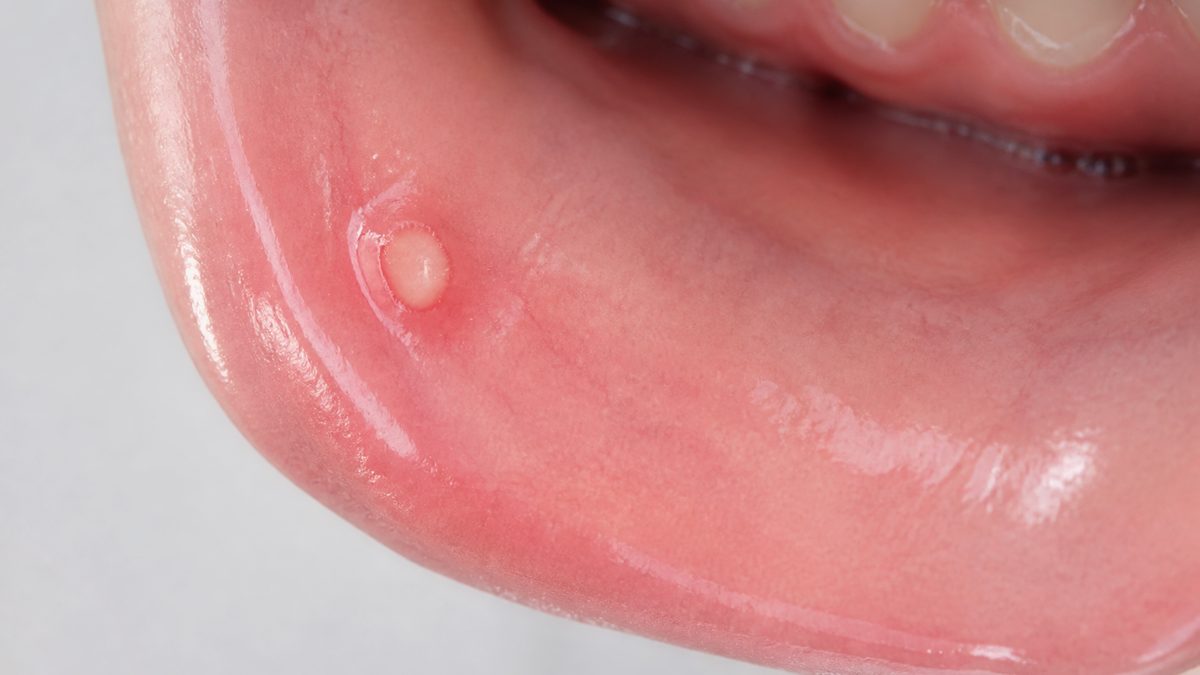
Key takeaway A pimple-like bump or pus on the gum means the body has built a drain for an infection inside — and the source is either the tooth's root or the gum pocket itself. Why you must never squeeze it, first aid and danger signs, cause-by-cause treatment with costs and insurance, and how to stop it coming back.
Hello. I am Dr. Oh Ji-hwan of Yonsei The Strong Dental Clinic.
There is a moment when the mirror shows you something unfamiliar on your gum: a whitish bump like a pimple. Press it with your tongue and it feels soft; some days it bursts, spreading a bitter taste through your mouth. Then, strangely, it settles — and days later it is back in the same spot. A patient from Millak-dong told me it had "come and gone for months, so I didn't think much of it," and a parent from the Mangwolsa Station direction rushed in after spotting a small white bump on their child's gum.
Let me give you the most important sentence of this article first. Pus on the gum is not the disease itself — it is a drain. An infection somewhere inside has punched an exit route, which means a bump that comes and goes is not "getting better." It means the factory inside is still running. Today, in order: how to tell where that factory is — the tooth's root or the gum; what you may do at home and what you must never do; the danger signs that mean same-day care; treatment by cause, with costs; and how to shut the factory down for good.
Where does the pus come from — two factories
Two sources account for most gum abscesses, and since the treatment differs completely, this distinction is half the diagnosis.
First, from the tip of a tooth's root (periapical abscess). When deep decay, a crack, or an old injury kills the nerve inside a tooth, bacteria spread through the root tip into the bone and build a pocket of pus. As it grows, the pus tunnels through bone and opens an exit on the gum surface — that is the usual identity of the gum "pimple" (a fistula). The defining feature: the cause is inside the tooth. Treat the surface gum all you like; unless the infection inside the tooth is cleared, it returns. How a neglected cavity quietly grows into something this large is a subject I discussed in a Ziksir article (in Korean).
Second, from a gum pocket (periodontal abscess). When calculus, bacteria and debris are trapped inside a pocket deepened by gum disease, an acute infection flares within it. The gum swells into a dome, and pressing it seeps pus from the margin. The defining feature: the cause is on the gum side. The tooth's nerve is often still alive, and periodontitis is usually the underlying condition.
There are other, smaller routes — the gum over a wisdom tooth trapping food (pericoronitis), or a fish bone lodged in the gum festering — but the two above are the main branches.
Periapical vs periodontal abscess
| Category | Periapical (root type) | Periodontal (gum type) |
|---|---|---|
| Origin | Infected nerve inside the tooth | A deepened gum pocket |
| Common background | Deep decay, crack, trauma, old root canal | Periodontitis, calculus, poorly cleaned area |
| Tooth sensation | Often no response to cold (nerve dead) | Nerve response often intact |
| On tapping | Ringing pain is common | Sometimes painful, sometimes less |
| Bump position | At root-tip height (lower on the gum) | Near the gum margin |
| Core treatment | Root canal (or retreatment) | Pocket cleaning, periodontal care |
| Telling them apart by looks | Difficult — testing needed | Difficult — testing needed |
The last row is really the table's conclusion. The two abscesses look alike, and a mirror cannot tell them apart. Nerve testing and an X-ray identify the origin — and with it, the direction of treatment.
Checklist — where you stand now
- A domed bump on the gum that comes and goes
- A bitter or salty taste, an unpleasant odour in the mouth
- A certain tooth rings and feels raised when you chew
- It is near a tooth treated deeply or injured in the past
- The gum is domed, swollen, sore to press
- Swelling has started spreading to the cheek or face
- Fever, or discomfort swallowing
- A tooth that used to hurt suddenly stopped hurting — but the bump remains
Look hard at that last item. Severe pain that vanishes abruptly may mean not healing but pus finding its drain and the pressure releasing. The alarm has been silenced while the infection continues — the easiest stage to be fooled by. And items six and seven — facial swelling, fever, difficulty swallowing — mean closing this article and going straight for care (the emergency room if severe). Infection spreading beyond the gum into the deep spaces of the face is rare but dangerous.
What you may do at home — and what you must never do
How to bridge the time until your visit safely.
Allowed
- Lukewarm salt-water rinses — a few gentle rinses a day help drainage and reduce bacterial load.
- Your usual painkiller — taken as directed, it helps control pain and swelling.
- Gentle brushing around (not into) the area — not brushing at all breeds more bacteria. A soft brush, softly, is better.
- A cold compress on the outside of the cheek — 10–15 minutes at a time with breaks, if swollen. Warm compresses can feed the inflammation; avoid them.
- Photograph it — position and size on record helps us track the course.
Never
- Popping it with a needle or squeezing it. The prohibition I most want to stress. Unsterile tools and fingers push new bacteria in, and squeezing can drive infection toward deeper tissue. If it bursts on its own, rinse; bursting it on purpose is another matter entirely.
- Ignoring it because it doesn't hurt. As above — painlessness only means the drain is open.
- Holding alcohol in the mouth "to disinfect," rubbing painkillers on the gum. Folk remedies that burn the mucosa.
- Self-sourcing antibiotics and stopping there. Antibiotics can damp the flare but cannot remove the cause — the infected tooth interior or the calculus in the pocket. Suppress and skip treatment, and it always returns.
- Hot compresses and saunas. Increased blood flow can enlarge the swelling and spread.
Questions we are often asked
Q. Wouldn't squeezing it clear it up, like a pimple? A. A gum bump is built differently. A pimple is a skin-surface event; a gum fistula is the mouth of a tunnel connected to an infection in the bone. Wringing the exit does nothing for the far end of the tunnel — it only adds tissue damage and new bacteria.
Q. It burst days ago and I feel fine now. Should I still come? A. Yes — and now is actually a good time. With the acute flare settled, anaesthesia works well and a treatment plan can be made calmly. Wait, and the next acute episode comes.
Q. A white bump appeared on my child's gum. A. The same mechanism operates in children, and the common background is deep decay in a baby tooth. Left alone, it can affect the permanent tooth developing underneath — so it needs checking even if the child reports no pain. The pearly, smooth white spots on a newborn's gums (gingival pearls) are a separate, normal finding, but that distinction too is safest confirmed in the clinic.
Q. I'm pregnant, my gum is swollen and something like pus is coming out. A. Pregnancy makes gum inflammation flare more easily, and pregnancy granulomas can also form. Pus means infection control is needed — please don't endure it. Gum treatment and cleaning are procedures that can be done during pregnancy.
Q. Can't I just get antibiotics? Treatment scares me. A. Antibiotics are an adjunct for swelling and spread, and we do often use them in the acute phase. But the pus factory — the infected tooth interior or the pocket's calculus — has to be physically cleared. Repeating antibiotics alone stacks resistance risk while the disease stands still. If treatment frightens you, say so in the clinic; there are ways to pace it.
Treatment by cause
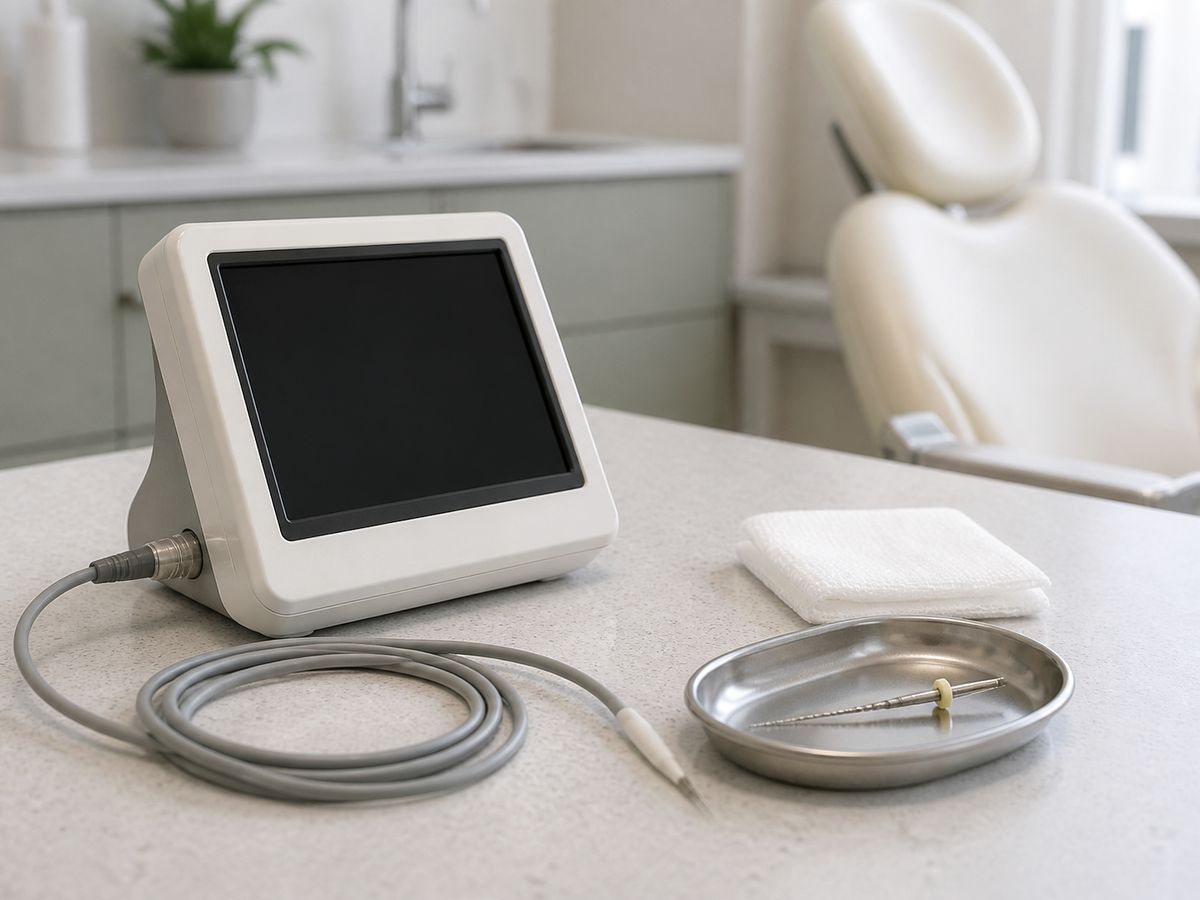
The clinic sequence usually runs:
- History and testing. Since when, has it recurred, which tooth is suspect — then percussion and nerve-response tests narrow the origin.
- X-ray confirmation. The dark shadow at the root tip (dissolved bone), pocket depths, calculus positions. Sometimes a fine point is placed into the fistula and imaged, tracing the tunnel to its tooth.
- Acute-phase care. With severe swelling and pain, drainage first — opening the path to release the pressure — plus antibiotics as needed. That is the firefighting phase.
- Cause treatment (root type). Root canal therapy removes the infected tissue inside the tooth, disinfects and seals. A previously treated tooth means retreatment, sometimes with root-tip surgery added. Where the tooth cannot be saved — a vertical root fracture, for instance — extraction is weighed.
- Cause treatment (gum type). The pocket is cleaned out and calculus removed (curettage and root planing), flowing into management of the underlying periodontitis. Pocket examination is covered in detail in our periodontal pocket guide.
- Follow-up. Weeks later we confirm the fistula has closed and bone has begun to heal. A closed fistula is the surest sign the factory has stopped.
Costs and insurance reference
| Item | Insurance | Out-of-pocket guide |
|---|---|---|
| Examination, nerve testing | Covered | Varies by item |
| X-rays | Covered | A few thousand – 20,000 won |
| Drainage | Covered | A few thousand – tens of thousands |
| Prescriptions (antibiotics, analgesics) | Covered | A few thousand won |
| Root canal / retreatment | Covered | About KRW 50,000–200,000 |
| Gum treatment (curettage, planing) | Covered | About KRW 10,000–50,000 per area |
| Root-tip surgery | Covered | About KRW 100,000–300,000 |
| Extraction (when unavoidable) | Covered | About KRW 10,000–50,000 |
| Crown after root canal | Varies by material | About KRW 300,000–600,000 |
These figures are orientation ranges and vary with the tooth, the site and your co-payment rate. Worth noticing: the backbone of abscess treatment — drainage, root canal, gum therapy — is mostly insured care. Postponing over cost is a poor trade; the worst route is a saveable tooth sliding into extraction and an implant.
Stopping the relapse — keeping the factory closed
After treatment, the goal is single: no new factory on the old site.
- Finish the crown on a root-canal-treated tooth. Leaving a weakened tooth in a temporary state opens the door to cracks and re-infection.
- Interdental brush and floss at the pocket entrance, daily. For the gum-type abscess, this is very nearly the whole of prevention.
- Use the once-a-year insured scaling. Calculus is the pocket's fuel.
- Have the old abscess site reviewed at check-ups. Comparing bone healing on X-rays is how early relapse signals are caught.
- Cut down smoking. It slows healing and rebuilds the environment for relapse.
- If diabetic, manage glucose alongside. High sugar makes gum infections both likelier and slower to heal.
Recovery timeline
- Right after – 1 week: swelling and discomfort trending down is normal; worsening means call at once.
- 1–4 weeks: the fistula closes and gum colour returns. If a root canal is in progress, keep every appointment — an interrupted root canal is the express lane to re-infection.
- 1–6 months: the bone at the root tip heals; the dark shadow on X-ray gradually shrinks.
- Beyond: check-ups every six to twelve months. Reach this point, and that factory is out of business.
Healing speed varies between individuals — bone repair times especially.
Choosing where to be seen
- Do they test for the origin? A clinic that identifies root type versus gum type before acting beats one that treats the surface on sight — with fewer relapses.
- Do they separate firefighting from cause treatment? "Today we release the pressure; the cause we treat this way" — that two-step explanation.
- Do they say which teeth can and cannot be saved, with evidence? Not extraction-always, not preservation-always — images on screen, reasons attached.
- Is a follow-up scheduled? Confirming the fistula has closed should be part of the plan.
- Can you reach them when it flares? Abscesses ignore nights and weekends; broad hours are a practical criterion in themselves.
Five common failure paths
First, believing a burst means a cure. If you remember one thing from this article: pus draining is pressure releasing, not infection ending.
Second, squeezing. The relief is not worth the risk.
Third, revolving-door antibiotics. With the cause in place it always returns — and each round works less well.
Fourth, abandoning a root canal midway. A temporarily sealed tooth is engineered to hold only for a set period. Resuming interrupted treatment is covered in this guide.
Fifth, postponing the crown. A tooth saved by root canal treatment lost to a crack — stumbling on the last stair.
In closing
Three things, in summary. First, gum pus is a drain, not the disease, and a bump that comes and goes means the infection inside continues — pain or no pain. Second, the cause is one of two: the tooth's root (nerve infection) or the gum pocket (periodontitis); looks cannot tell them apart, so testing comes first — and the core treatments are mostly covered by insurance. Third, do not squeeze it, and facial swelling, fever or trouble swallowing mean care within the day. Courses vary between individuals, but the earlier the check, the better the odds of saving the tooth. If that bump in the mirror has been catching your eye for weeks, today is the best day to have it identified.
Today in one line: gum pus is not "good, it drained" — it is "still being made inside." Don't squeeze it, don't relax when it bursts, and find the source.
Our clinic sees patients until 9 p.m. on weekdays and opens 365 days a year, so a gum that ballooned overnight need not wait for tomorrow. Our clinic's AI phone guidance also runs 24 hours a day after closing. We are about a five-minute walk from Exit 1 of Dobong Station, Seoul (towards Dobong 1-dong Post Office), and two train stops from Mangwolsa Station, within easy reach of the Mangwolsa and Millak-dong areas of Uijeongbu. If you are driving, please see our parking guide.