Will Gum Pills Alone Cure Gum Disease? — A Jangam Station Dentist on What Gum Medicines and Supplements Can and Cannot Do

Key takeaway Over-the-counter gum medicines and supplements are aids to gum care — they cannot replace tartar removal. The causes of gum disease, bacterial film and calculus, must be physically cleared away. What pills can and cannot help with, the signs that treatment must come first, a cost comparison, and how to combine both sensibly.
Hello, I'm Dr. Oh Ji-hwan of Yonsei The Strong Dental Clinic.
Even outside the holiday seasons, many people buy gum pills or gum supplements for their parents. The advertising is familiar, and pharmacies have whole shelves for gums. So this conversation happens often in my consultation room: "I've been taking gum pills for six months, but my gums still bleed when I brush." A patient from Junggye-dong said exactly that, and among those coming from the Jangam Station direction, some show me a photo of the bottle and ask whether to keep taking it.
Let me clear up one misunderstanding first. I am not here to say gum medicines are bad. I am here to say their role is different. Gum pills and supplements can be aids to gum care, but they cannot remove the cause of gum disease itself. Today I'll go through how gum disease actually progresses, what medicines and supplements can and cannot do along that path, the signs that mean "stop coping with pills", what the numbers look like when you put pill costs and treatment costs side by side, and how to combine medication and treatment wisely.
Start with the mechanism — why pills alone cannot do it
Gum disease starts with bacterial film (plaque). In spots brushing doesn't reach, the film hardens with minerals from saliva within days into calculus (tartar). Tartar's rough surface becomes an apartment block for more bacteria, whose toxins make the gums swell and bleed. Left in place, the inflammation travels down under the gum and slowly dissolves the bone that holds the teeth.
Here is the point to hold onto: tartar is a physically hardened structure, like stone. A swallowed pill can reach the gum tissue through the bloodstream, but it cannot dissolve a stone stuck to a tooth surface. Even a toothbrush cannot remove it once hardened. That is why the centre of gum disease treatment has always been physically clearing the cause — scaling and gum treatment.
The place of pills and supplements is beside that. Depending on the product, they are taken hoping for supportive help with tissue condition or the inflammatory response — and the degree of effect varies by product and person. One thing is certain: support cannot substitute for cause removal. Taking pills while the tartar stays put is like taking digestive medicine while leaving the spoiled food on the plate.
Why is there such a gap between the advertising and the experience? Because of the disease's character. Gum disease waxes and wanes as it progresses, so "it feels a bit better lately" phases arrive periodically no matter what you take. Those phases easily read as the pill working, while the situation under the gum runs its own course. In a disease where feeling and fact diverge this easily, measurement has to do the judging.
Role comparison — what does what
| Category | Gum pills & supplements | Gum toothpastes & rinses | Brush & floss | Scaling & gum treatment |
|---|---|---|---|---|
| How it works | Supports from inside the body | Supports at the surface | Removes film daily | Removes hardened tartar and inflamed tissue |
| Removes plaque | No | Partially (as a brushing aid) | The core tool | Professional removal |
| Removes tartar | No | No | No (once hardened) | The only means |
| Advanced inflammation | Limited | Limited | Mainly prevention | Treatment territory |
| Position | Support | Support | The daily basics | Cause treatment |
In one line: daily basics are brush and floss, cause removal is scaling and gum treatment, and pills, supplements and rinses are the supports alongside. When that arrangement flips — support at the centre, basics and treatment missing — gum disease keeps progressing quietly even while the pills are being taken.
The "stop coping with pills" checklist
- Months on gum pills, yet brushing still draws blood
- Gums swell up more than once a month
- Bad breath, noticed by you or pointed out
- Gums have receded and teeth look longer
- A tooth feels faintly loose
- Chewing brings a dull, lifted feeling at the gums
- Your last scaling was more than a year ago
- You smoke or have diabetes (conditions that speed gum disease)
These signals come from the territory of examination and treatment, not medication. Bleeding in particular is not "the pills haven't kicked in yet" — it is a real-time signal that inflammation is active. The next section shows what happens when you bring these signals in.
What we check and how we treat
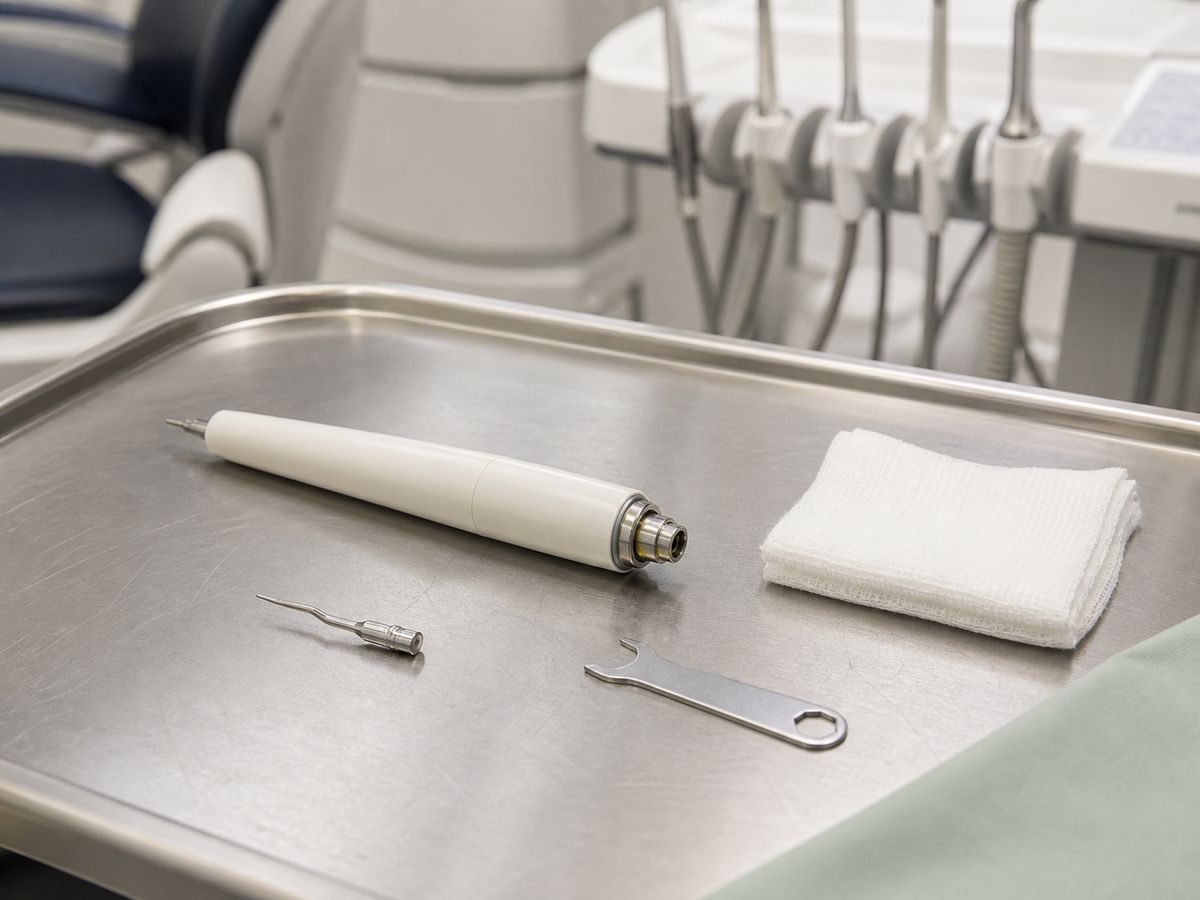
- History (about 5–10 minutes): tell us exactly what gum pills or supplements you take — no need to stop beforehand. The duration and how symptoms changed are themselves useful diagnostic information.
- Gum examination: with a fine probe we measure the depth of the pocket between gum and tooth, site by site. Healthy and diseased gums part ways on these numbers. It is a slightly ticklish few-minute test.
- Radiographs: we look at the bone level under the gums. Some mouths look fine outside while the bone has dropped — and the reverse happens too.
- Staging and treatment: tartar above the gumline is cleared with scaling. Where it has gone below, we treat by sections — gum treatment (deep cleaning and curettage). Deeper stages call for periodontal procedures, discussed case by case.
- Re-evaluation and maintenance: weeks later we re-measure how the gums have healed and set the check-up rhythm. This is the phase where pills and supplements can genuinely play their supporting role.
Questions we're often asked
Q. Should I stop the gum pills? A. They don't conflict with treatment, so I don't tell people to stop. Only the order needs correcting — cause removal (treatment) at the centre, pills alongside as support. Just tell us what you take.
Q. If I get a scaling, are the pills unnecessary? A. That is a matter of individual condition and choice. Some continue them as support after treatment; others naturally phase them out as habits take hold. What is fixed is the order: scaling and daily brushing are the base, pills are optional on top.
Q. My gums bleed, but the pills seem to reduce it somewhat. A. Symptoms settling and causes resolving can be different things. With tartar in place, inflammation can keep working below while the surface signal fades — which can actually delay discovery. Even if it feels better, have it confirmed by examination.
Q. Do gum pills help around implants? A. Tissue around implants defends itself less well than around natural teeth, so regular check-ups and dedicated cleaning tools matter far more than supplements. If the gum around an implant swells, checking for peri-implantitis comes before any pill.
Q. My parents won't go to the dentist, so I at least buy them gum pills. A. Here is an approach that tends to land well: alongside the pills, book them an annual scaling as a kind of gift. From age 19 it is covered by health insurance, so the cost is small — and it lays the ground the pills would need anyway to be of any help.
The money — pills and treatment side by side
| Item | Health insurance | Sense of cost |
|---|---|---|
| Gum pills & supplements (retail) | Not applicable | Commonly around KRW 20,000–50,000 a month |
| Examination, gum probing, radiographs | Covered | Small out-of-pocket amount |
| Scaling | Covered once a year from age 19 | Small out-of-pocket when covered |
| Gum treatment (deep cleaning, curettage) | Covered | Varies with number of sites |
| Re-evaluation & maintenance | Mostly covered items | Small amounts |
Figures are rough ranges that vary by product and condition; treatment costs differ by clinic and number of sites. Confirm details at a consultation after examination.
Let's run the numbers. Pills at 30,000 won a month come to 180,000 won in six months. In that same period, one insured scaling (small co-payment) plus a gum examination would have removed the cause and established your actual status — for less money. This is not "don't buy the pills"; it is that the pills-only combination is a poor deal even in purely financial order. Gum disease progresses quietly, which is exactly why regular checks earn their keep — something I've also discussed in an article for Medical Today.
Where pills sit at each stage — where are your gums now?
The same pill means completely different things depending on the stage of the gums.
Still-healthy gums. No bleeding, good probing numbers — here pills and supplements are a matter of choice rather than improvement. The investment that reliably pays at this stage is the basics: correct brushing and the annual scaling.
Gums that have started to bleed (gingivitis). The gums are reacting to film and early tartar — the last fully reversible stretch. The right answer here is scaling plus corrected brushing, with pills as a sideline helper. Choosing pills alone and postponing treatment at this stage is the most common and most costly fork — it spends the reversible window on a support measure.
Gums where bone has started to drop (periodontitis). Inflammation has moved below and begun dissolving the supporting bone. Lost bone does not refill on its own, so the goal becomes "stop it getting worse." Sectioned gum treatment takes the centre, and the pills' role narrows to post-treatment maintenance support. How deep the pockets have become is covered in detail in the periodontal pocket examination article.
In short: the earlier the stage, the more a pill's supporting value survives; the later the stage, the fewer the options other than treatment. And which scene your gums are in, no advertisement and no pill bottle can tell you. Only a few minutes of pocket probing can.
General principles for choosing a product
Recommending or rating specific products is not my role, but principles that apply to any product are fair game.
- Check the classification. Whether the package says medicine, health functional food, or ordinary food determines what you may reasonably expect. The same "good for gums" phrase carries different weights of evidence.
- Filter out ads implying "replaces treatment." No product of any classification can claim to substitute for tartar removal. The more an advertisement reads that way, the more caution it deserves.
- Check interactions with your existing medication. If you take antiplatelet drugs or the like, ask a pharmacist or doctor before starting something new. Tell us at your dental visit too and we'll check together.
- If you start, set an evaluation standard together. Without a checkable criterion — "has bleeding frequency dropped in a few months?" — judgement drifts toward the advertising copy. The symptom diary below serves as that standard.
Combining pills and treatment sensibly
With treatment settled at the centre, arrange the supports like this.
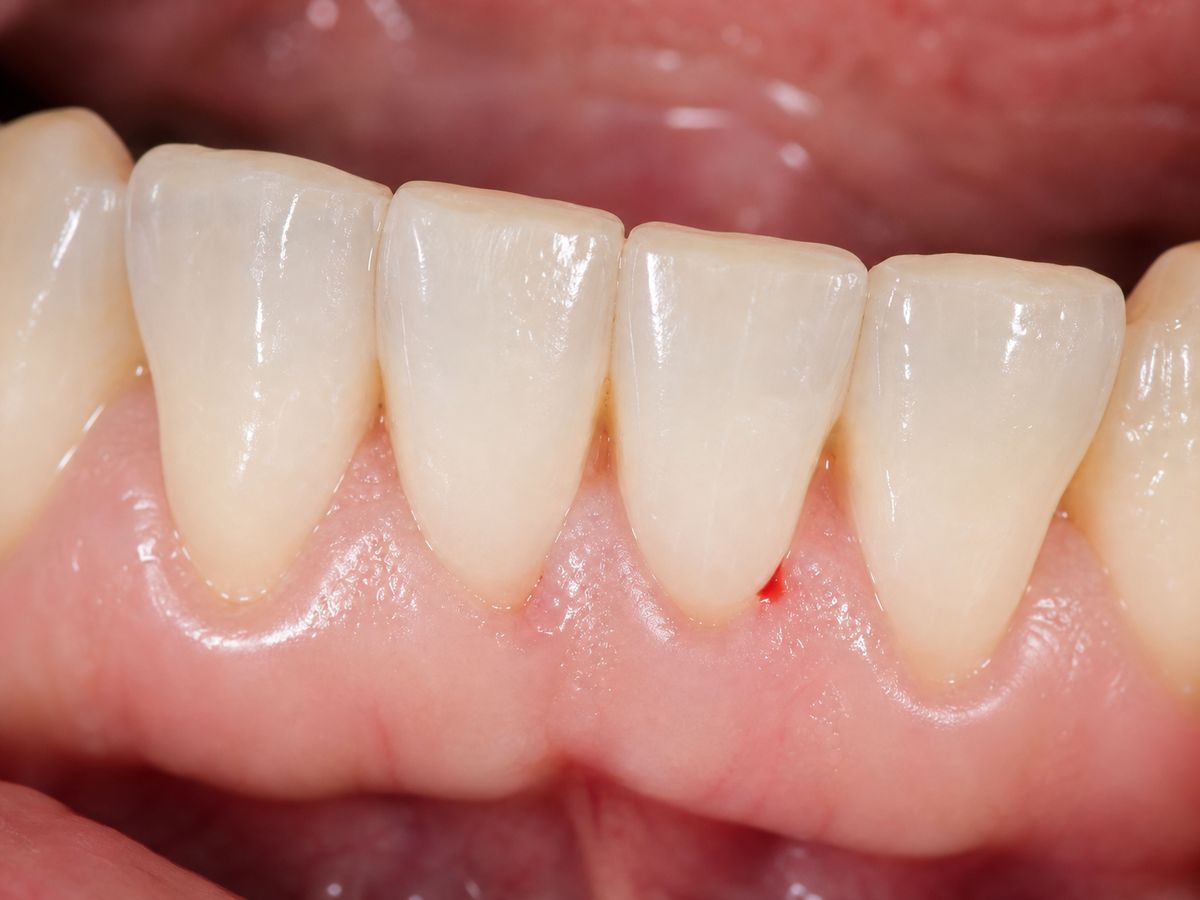
Fix the two basics first. Brushing at least twice daily, bristles at 45 degrees to the gumline; and floss or interdental brushes once a day. Whatever a pill may add, skip these two and the film rebuilds every day. Since the space between teeth is gum disease's main stage, learning floss and interdental brushes properly once is worth it.
Pin the annual scaling to your calendar. Tie it to a memorable month — your birthday, year-end — and it stops being forgotten. The longer you take pills, the more this appointment matters: judging a support measure requires a clean baseline.
Keep a simple symptom diary. Just mark bleeding days and swollen days on a calendar. It beats "it seems better lately" by miles, and doubles as the evidence for whether the pills actually help.
If you smoke or have diabetes, adjust expectations. Both lower the gums' own healing capacity in ways no pill offsets. Smokers face the extra trap of masked bleeding delaying discovery — shorter check-up intervals are the safer setting.
Screen the "natural remedies." Among folk methods said to help gums — scrubbing with salt, vinegar rinses — some injure the gum and tooth surface. Before adding what's said to be good, subtract what is actually harmful. That always comes first.
Notes by age — same pills, different context
30s–40s. The age that most often misses the start of gum disease. Bleeding gets waved off as busyness, and pills or rinses look like the quick fix. Yet gums at this stage are mostly still reversible — making this the time of life when one scaling buys the most.
50s–60s. The heaviest gum-pill-taking generation — and the one where periodontitis actually advances. The comfort of "I'm managing it, I take my pills" commonly becomes a check-up gap. If you are on pills, set your check-ups at six-month intervals if anything — the more support measures you use, the more often the base state needs confirming for the combination to work.
70s and up. Grip strength drops and brushing precision with it, medications multiply and dry the mouth. With less saliva, film grows faster than any pill's support can follow. At this stage, tangible help protects gums better than more bottles: a thick-handled brush, interdental brushes, and a family member joining for check-ups.
During pregnancy. Hormones make gums unusually reactive, so rather than starting pills or supplements on your own, the rule is to decide anything with your obstetrician and dentist. Gum care in pregnancy is covered in the pregnancy dental care article.
A couple more questions
Q. Can I use a gum rinse every day? A. Use per the product's directions is fine — the danger sign is when the rinse starts to feel like a substitute for brushing. Some ingredients can stain with long continuous use, so check the label's duration guidance, and ask us when unsure.
Q. Does gum massage, as seen on TV, work? A. The gum stimulation of correctly angled brushing already does that job. If you want to massage additionally, gently with clean fingers is harmless — but methods using abrasives like salt are not recommended.
What to look for when choosing a clinic
- Do they measure and record pocket depths and compare at the next visit?
- Do they organise the role of your pills without scolding you for taking them?
- Do they distinguish a scaling-only stage from one needing gum treatment?
- Do they schedule a re-evaluation after treatment?
- Do they actually check and correct your brushing and flossing?
- Do they ask about systemic factors like smoking and diabetes?
Five common reasons things go wrong
First, mistaking pills for treatment. This whole article is an explanation of this one line. Support has value when it stays in the support seat.
Second, believing faded symptoms mean cure. Gum disease naturally cycles through quiet phases as it advances. Judge by measurement, not feeling.
Third, expecting one scaling to last a lifetime. Tartar rebuilds. Management only exists once the annual rhythm does.
Fourth, stacking supports without the basics. Pills, rinses and supplements multiply while floss goes unused — a surprisingly common combination, in exactly the wrong order.
Fifth, tending your parents' gums with pills alone. The older the patient, the faster gum disease moves and the more muted the complaints. Add one check-up companionship to the gift of pills. That is the real gift.
In closing
Three things, then. First, the causes of gum disease — bacterial film and tartar — are physical structures no swallowed pill can remove, so the arrangement that matters is cause removal (scaling and gum treatment) at the centre, pills and supplements as support. Second, if bleeding, swelling or bad breath continue while you take the pills, that means examination is due — not that the dose hasn't worked yet — and the verdict comes from pocket measurement, not feeling. Third, even on money alone, an insured scaling plus an examination resolves more for less than six months of pills. Effects and courses vary by individual — so if there is a bottle on your shelf, bring it along and let's start by establishing where your gums actually stand.
Today in one line: gum pills can be an assistant to gum care, but never its physician. Clearing tartar is treatment's job, not a pill's.
We're open until 9 p.m. on weekdays and 365 days a year, so a scaling and gum examination fit into one visit on the way home from work. Our clinic's AI phone service also runs 24 hours after treatment hours end. We're about a five-minute walk from Exit 1 of Dobong Station (toward Dobong 1-dong Post Office), near Dobong Station in Seoul, and a few subway stops from Jangam Station — convenient from the Jangam and Junggye-dong areas. If you're driving, see our parking guide; to meet the team, see our dental team.