Why Do Implant Prices Differ So Much Between Clinics? A Suraksan Station Dentist Breaks Down the Cost and the Insurance
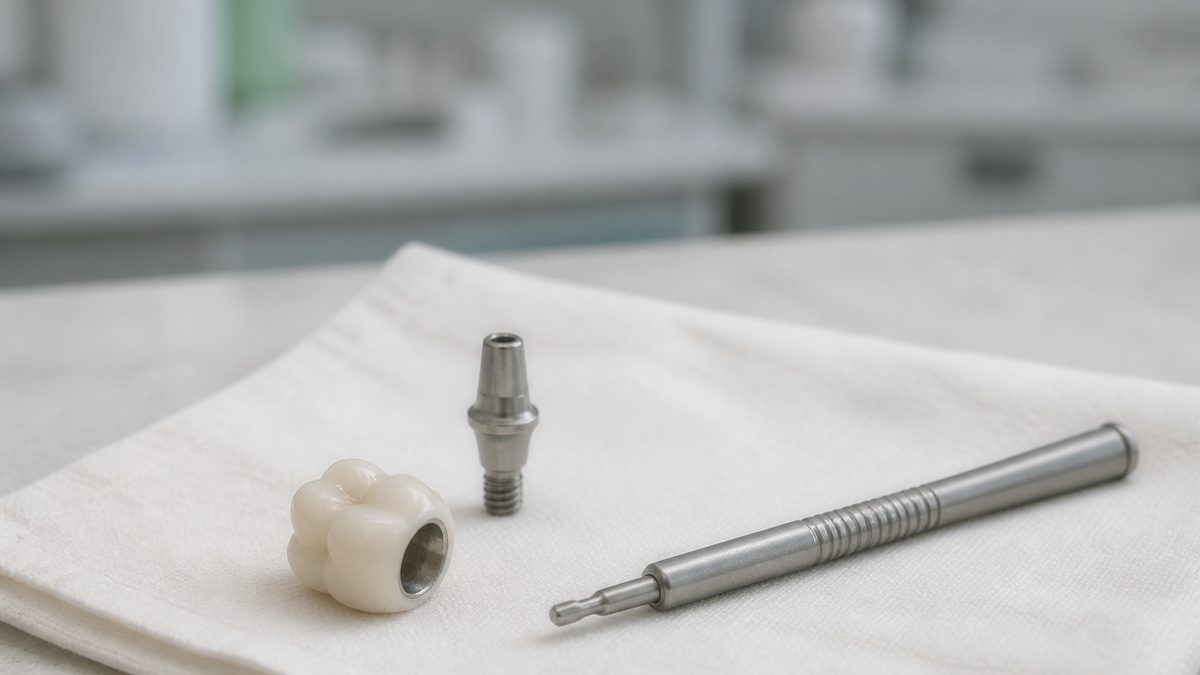
Key takeaway Implant costs vary between clinics because an implant is not one object but a fixture, an abutment and a crown, combined with diagnosis and surgery. Here is what makes up the price, which factors such as bone grafting add to it, how coverage works for those aged 65 and over, and what to check when you are handed a quote.
Hello. I am Dr. Oh Ji-hwan of Yonsei The Strong Dental Clinic.
There is one piece of paper that turns up in our consultation room more than any other: a quote from somewhere else. These days people often show me two or three on their phone instead. And the question that follows is almost always the same one. "This clinic says this much and that one says that much — why is the gap so big?" A patient from Howon-dong opened their consultation with exactly that question, and among those who come from the Suraksan Station direction, one laid out three quotes side by side and asked what they should even be comparing.
Honestly, answering "because we're the best" would help nobody. What I want to do instead is show you how to read a price list. An implant is not a finished product but several components and several stages added together, and once you know those items, most of the difference between quotes explains itself. Today I will cover what parts an implant consists of, what moves the cost, when extras such as bone grafting appear, how national health insurance works for those aged 65 and over, and what to check when a quote lands in your hands.
An implant is not one object — it comes in three parts
Before price, structure. Once you have this, a quote reads completely differently.
An implant consists of three parts.
First, the fixture. The titanium screw placed inside the jawbone — the equivalent of a natural tooth's root. This is the part that needs time to bond with bone after surgery.
Second, the abutment. The post connecting fixture and restoration. Because it emerges through the gum, it has to suit the gum thickness and the angle, and it may be a stock component or one custom-made for you. This is where costs begin to diverge.
Third, the crown. The tooth-shaped part you actually chew with. Zirconia, gold and PFM differ in their properties and their price.
Two more things attach that you cannot see. One is diagnosis: CT imaging, locating the nerve and the maxillary sinus, assessing the quantity and quality of bone, and planning the restoration first so the placement position follows from it. The other is surgery and aftercare: anaesthesia, the procedure, suturing, suture removal and routine checks.
So "how much per implant" depends entirely on how many of those five it includes. One quote lists the fixture only; another includes the crown; a third treats CT and bone grafting as separate lines. It is not that the same thing is being named differently — the scope being counted is different to begin with.
What moves the cost — a comparison table
| Item | Options | Effect on cost | What decides it |
|---|---|---|---|
| Fixture | Domestic / imported | Moderate to large | Bone condition, site, future parts supply |
| Abutment | Stock / custom-made | Moderate | Gum thickness, placement angle, aesthetic zone |
| Crown | Zirconia / gold / PFM | Moderate | Chewing force, position, aesthetic demand |
| Diagnosis | Panoramic / CT / digital planning | Small to moderate | Proximity to nerve and sinus, difficulty |
| Bone grafting | None / small / sinus lift | Large | Amount and height of remaining bone |
| Surgical difficulty | Simple / complex | Large | Simultaneous extraction, anatomical risk factors |
| Aftercare | Included / separate | Small | How the clinic operates |
As the table suggests, what usually creates the biggest difference between quotes is not the material but bone grafting and surgical difficulty. I will come back to that separately.
Where do I fit — a self-check list
- The tooth was taken out a long time ago and the site looks sunken (bone may have resorbed)
- It is an upper molar site and you have been told the bone is thin (sinus-related work may be needed)
- The tooth was lost to gum disease (surrounding bone needs assessing)
- You take diabetes or osteoporosis medication (the plan and timing may need adjusting)
- The site is in the front of the mouth (aesthetic demands make a custom abutment more likely)
- You need several at once (the design approach changes the shape of the total)
- You smoke (recovery and maintenance planning differ)
The more of these apply, the more natural it is that your quote and your neighbour's differ. With the structure clear, let us follow the process and see where the costs actually attach.
Following the process, step by step, and where the costs land
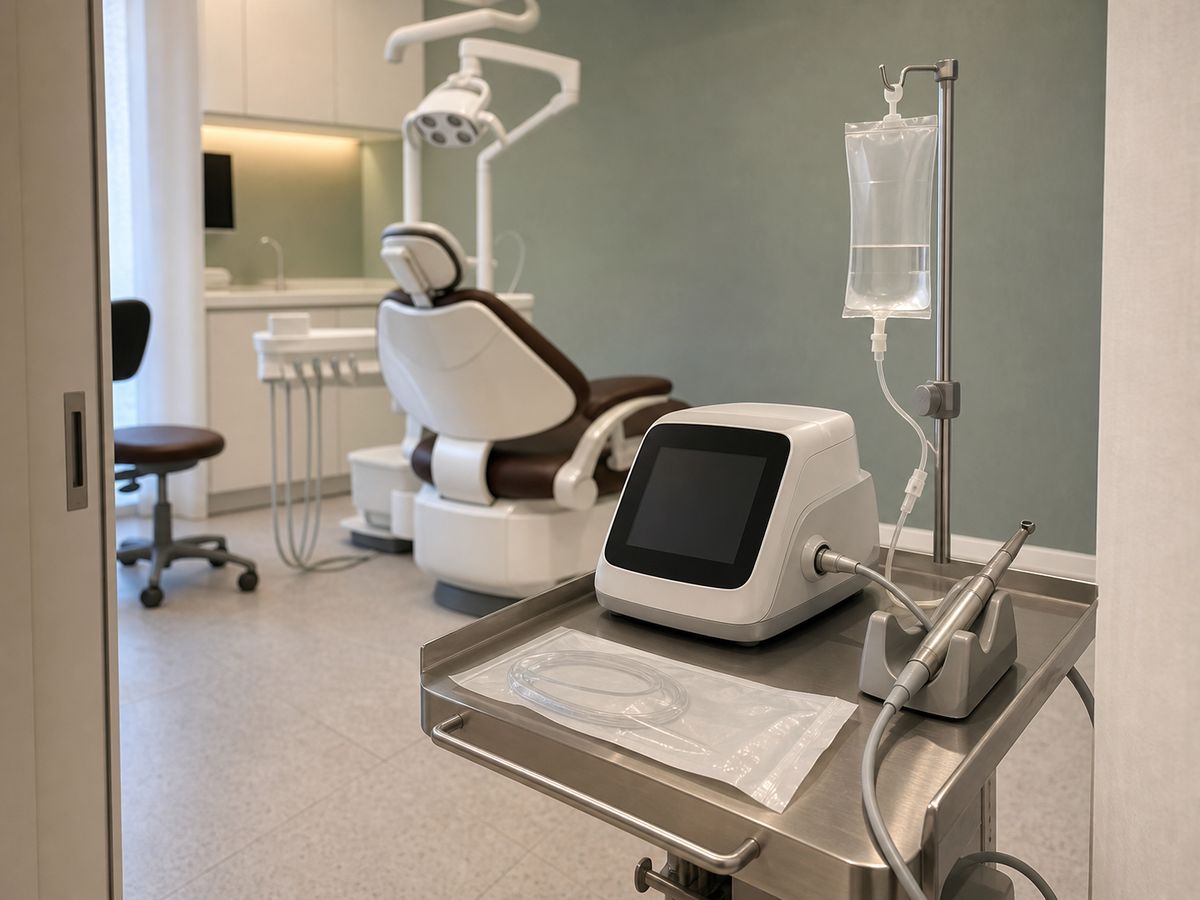
An implant usually runs like this. I will note where costs attach at each stage.
- Consultation and diagnosis (first visit, about 30–60 minutes). Oral examination, panoramic or CT imaging, review of general health and medication. The plan is set here. Imaging is a separate line at some clinics and included at others.
- Preliminary treatment if needed (duration varies). Extraction or periodontal treatment may need to come first. These items are generally covered by health insurance.
- Placement surgery (about 30–90 minutes). The fixture goes in. If bone grafting is done at the same time, both the time and the cost increase.
- Osseointegration period (about 2–6 months). Waiting for bone and implant to bond. There is usually little additional cost during this time, though a temporary restoration may be needed if the space cannot be left empty.
- Abutment connection and impression (about 20–40 minutes, one or two visits). Shaping the gum and taking the impression for the final restoration.
- Fitting the final restoration (about 20–40 minutes). Adjusting the bite and finishing.
- Routine checks (ongoing). Screw, gum and surrounding bone. This is the most underrated line item in the whole treatment.
The overall span is usually around three to six months, and longer if substantial bone grafting is involved. Healing speed varies from person to person.
Questions we are often asked
Q. I saw an advert quoting a single figure per implant. Is that the whole cost? A. You need to check what that figure includes — fixture only, crown as well, CT included or not, bone grafting separate or not. The final amount changes a great deal. This is not sleight of hand; it is that the necessary items genuinely differ from person to person, so they cannot be written as one number. That is why I suggest looking at the list of line items before the total.
Q. Is there a big difference between domestic and imported implants? A. It is hard to say one is simply better. Korean-made systems have been used clinically for a long time and are well established, with the practical advantage that parts are easy to obtain. Imported systems have design characteristics preferred in certain situations. The realistic approach is to weigh bone condition, site, and how easily a component could be replaced years from now.
Q. Does the per-unit price drop if I have several done? A. It is not a simple volume discount. What can change is the design itself. Where three teeth in a row are missing, one approach places three implants and another places two and joins them. When the total differs, it is usually this design difference rather than a discount.
Having covered plan and process, let us look closely at the line that swings the most.
What moves the cost most — bone, and difficulty
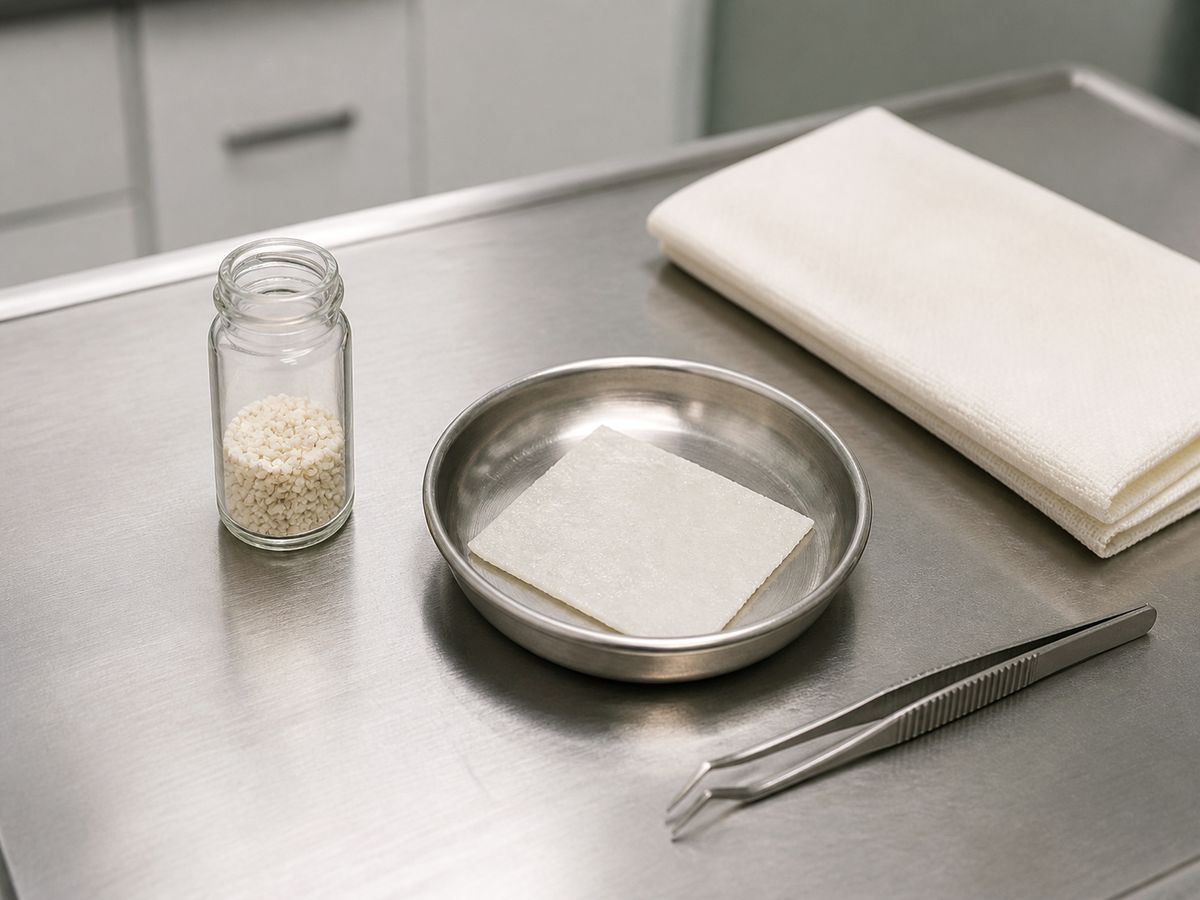
An implant is treatment placed into bone. So how much bone remains is the single largest variable in the cost.
Bone at an extraction site gradually resorbs over time — much as an unused muscle thins. If the tooth was lost to gum disease, the bone was probably already compromised. This is why "when was the tooth taken out?" is a question directly tied to cost. I have discussed this in a media interview as well: the timing of implant placement after extraction has a great deal to do with the state of the bone (related article, in Korean).
When bone is insufficient, the added procedures fall roughly into these groups.
- A small graft. Reinforcing the area around the placement site. Often done at the same time as placement.
- Sinus lift. Upper molar sites have the maxillary sinus above them, so where height is lacking the sinus floor is raised to create space. Difficulty and cost vary with the approach.
- Extensive grafting. For substantial bone loss; the timeline lengthens and separate healing time is required.
There are difficulty factors too: lower molars close to the nerve canal, front teeth where gum contour matters as much as the tooth, and cases where extraction and placement happen together. These call for CT-based planning and more preparation time. I have said elsewhere that in more demanding cases the planning takes longer than the surgery itself (related article, in Korean).
| Situation | Additional procedure | Effect on timeline | Approximate additional cost |
|---|---|---|---|
| Bone is sufficient | None | No change | None |
| Small reinforcement needed | Localised graft | Almost none | About KRW 200,000–500,000 |
| Insufficient height, upper molar | Sinus lift | May add several months | About KRW 500,000–1,500,000 |
| Substantial bone loss | Extensive graft | Several months added | Varies greatly |
| Placement with extraction | Extraction + placement | May shorten overall time | Varies |
These figures are the ranges commonly seen and change with materials, extent and clinic. The exact amount is something to confirm after a diagnosis that includes a CT.
That was why costs rise. Now for where they can come down.
Health insurance, and realistic ways to reduce the cost
The first thing to check is implant coverage for those aged 65 and over.
- Eligibility begins at 65, and two implants in a lifetime are covered.
- The patient share is 30%.
- It applies to partial tooth loss; where no teeth remain at all, the route is denture coverage rather than implants.
- Prior registration is required. The clinic completes this before treatment starts.
- Additional procedures such as bone grafting are not entirely within the covered scope.
If you are looking into treatment for a parent, checking this one item alone can change the plan considerably. Those aged 65 and over also have covered items for posterior crowns and dentures, so rather than looking at implants alone, it is worth weighing the whole plan together.
Other ways to reduce cost, in practical order.
First, do not postpone. As above, bone diminishes over time. A site that needed no graft becoming one that does within a few years is not unusual. That is physics, not a marketing line.
Second, protect the teeth you still have. Saving a tooth before it becomes an implant site is always the cheapest option. Root canal and periodontal treatment are covered by insurance, and a tooth that can be carried by a crown is generally less burdensome than extracting it and moving to an implant.
Third, deal with gum disease first. Placing implants while the gums are in poor condition generates ongoing maintenance costs. Scaling is covered once a year, and periodontal treatment is a covered item.
Fourth, plan the whole mouth before starting. Handling things one urgent piece at a time tends to leave the overall bite mismatched, which means going back over work already done. Deciding the order first reduces duplicated spending.
Fifth, revisit the number being placed. You do not necessarily need one implant per missing tooth. Depending on the situation, a design that reduces the count and joins units may be possible.
Having talked about cost, let us turn to making that spending last.
The real work begins after placement — maintenance and its cost
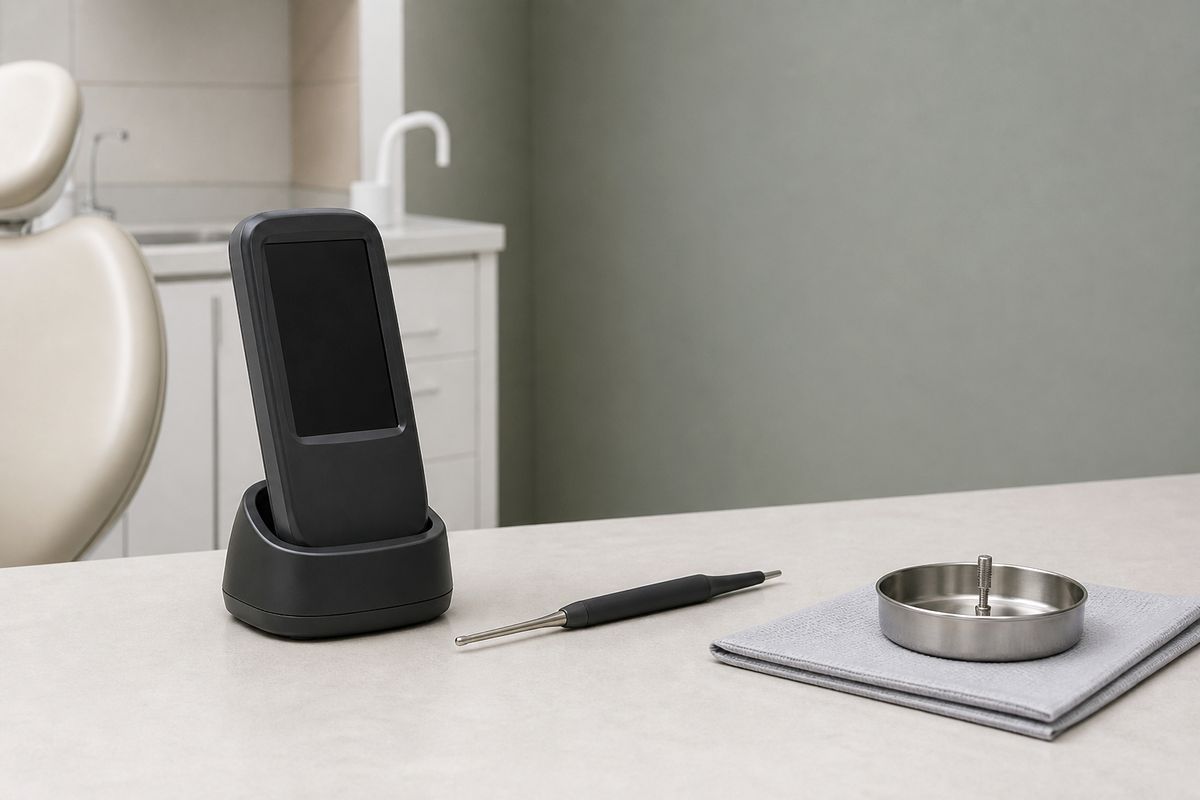
This is the point most often missed. It is easy to think the contract ends on fitting day, when in fact that is when maintenance begins.
Implants do not decay. But the surrounding gum and bone can develop problems. Peri-implantitis, as it is called, can progress faster than gum disease around natural teeth and causes almost no pain early on. Which makes routine checks a form of cost saving.
By stage:
- The first 1–2 weeks. Swelling and discomfort subside. Take prescribed medication as directed and keep your tongue off the surgical site.
- The first three months. Osseointegration is under way. Not overloading the site is what matters.
- The first year after fitting. The bite settles into your body. If something feels wrong, have it adjusted rather than putting it off.
- Every year thereafter. Routine checks of the screw, gum and surrounding bone. A single X-ray catches large problems early.
For what it is worth, there is research of my own on how long implants last: as first author I followed 804 patients and 1,780 implants for up to 15 years, with a reported 15-year survival rate of 98.8% (J Clin Med 2023;12(6):2425, doi:10.3390/jcm12062425). I mention the figure not to reassure you but because those patients had been receiving regular maintenance. Results are made together with management. Individual variation applies. There is more on our implant page.
A maintenance checklist
- Use an interdental brush around the implant daily. A toothbrush does not clean the sides.
- Do not skip routine checks — usually every six to twelve months.
- If biting feels odd, say so straight away. It can be the early sign of a screw loosening microscopically.
- Stopping smoking is among the most substantive items in implant maintenance.
- If you grind your teeth, ask about a night guard. Implants have no periodontal ligament to cushion force the way natural teeth do.
- Do not let swelling or odour at the gum pass unremarked.
Unexpected situations, answered
Q. My implant feels slightly loose when I bite. A. A loosened screw and a loose implant are entirely different situations, and the former is usually simple to resolve. Which one it is can only be established by looking, so please do not postpone.
Q. It was placed years ago and the gum there bleeds. A. This may be an early sign of peri-implantitis. Caught at the gum stage it is often manageable; once it reaches bone, the treatment gets larger.
Q. Mine was placed elsewhere. Will you see me? A. Of course. Wherever it was done, we will pick it up from there. Knowing which components were used makes it much easier, so bring any old records you have — though an X-ray is often enough.
With maintenance covered, a last word on what to look at when a quote is actually in your hands.
What to check when you receive a quote
Getting consultations at several clinics is a good idea. Comparing totals alone, however, misleads easily. Line these items up side by side.
- What is included. Fixture, abutment, crown, CT, bone graft, aftercare — which are in and which are separate.
- Was a CT taken and the plan explained? A plan made on a panoramic film alone differs from one where nerve and sinus positions were confirmed on CT.
- Was the bone explained? Not just "there isn't enough" but how much, what procedure, and why.
- Is there a reason for that position and that number? The number follows from the chewing structure, not from the count of missing teeth.
- Are the component details shared? A clinic that records which system was used makes life far easier if a part needs replacing years later.
- Is there an aftercare plan? Whether the schedule after fitting is discussed at all.
- Are possible additional costs flagged in advance? If something will only be decided once work begins, hearing that possibility first is better.
- Do the hours fit your life? An implant means several visits over several months. A schedule you cannot keep is itself a cost.
Five common regrets
First, deciding on the total alone. When scopes differ, added items later tend to close or even reverse the gap.
Second, starting without assessing the bone. A shallow diagnosis makes a shallow plan.
Third, not looking at the remaining teeth. If the neighbouring tooth is about to become a problem and you solve only one site, the whole thing needs redesigning in a few years.
Fourth, skipping routine checks. A substantial share of implant-related spending is not the placement but the maintenance that follows.
Fifth, waiting a long time after extraction. Bone does not wait. What needs no procedure now may need one later.
In closing
Three things, in summary. First, an implant's cost is three parts — fixture, abutment, crown — plus two processes, diagnosis and surgery, so a quote has to be read as a list of items rather than a total if it is to be compared at all. Second, what swings the figure most is not the material but the state of the bone and the difficulty, which differ from person to person and grow less favourable with time. Third, coverage for those aged 65 and over (two in a lifetime, 30% patient share) requires registration before treatment begins, so check it at the planning stage. If several quotes are sitting in front of you and you cannot tell what to make of them, bring the papers in as they are. We will go through which line items created the gap. Do bear in mind that bone and gum conditions vary from person to person, so the precise plan follows the diagnosis.
Today in one line: compare implant quotes by line item, not by total. What usually separates the numbers is not the material but the bone.
Our clinic sees patients until 9 p.m. on weekdays and opens 365 days a year, so the several visits an implant requires can usually be fitted around work or the weekend. Our clinic's AI phone guidance also runs 24 hours a day after closing. We are about a five-minute walk from Exit 1 of Dobong Station, Seoul (towards Dobong 1-dong Post Office), and a few stops by train from Suraksan Station, so getting here from Howon-dong in Uijeongbu is straightforward. You can read about the clinicians on our team page, and if you are driving, please see our parking guide.